Affiliate Disclosure: This page contains Amazon affiliate links. We may earn a small commission if you buy through these links, at no extra cost to you. Our reviews and rankings are based on our own research, not on affiliate payments.
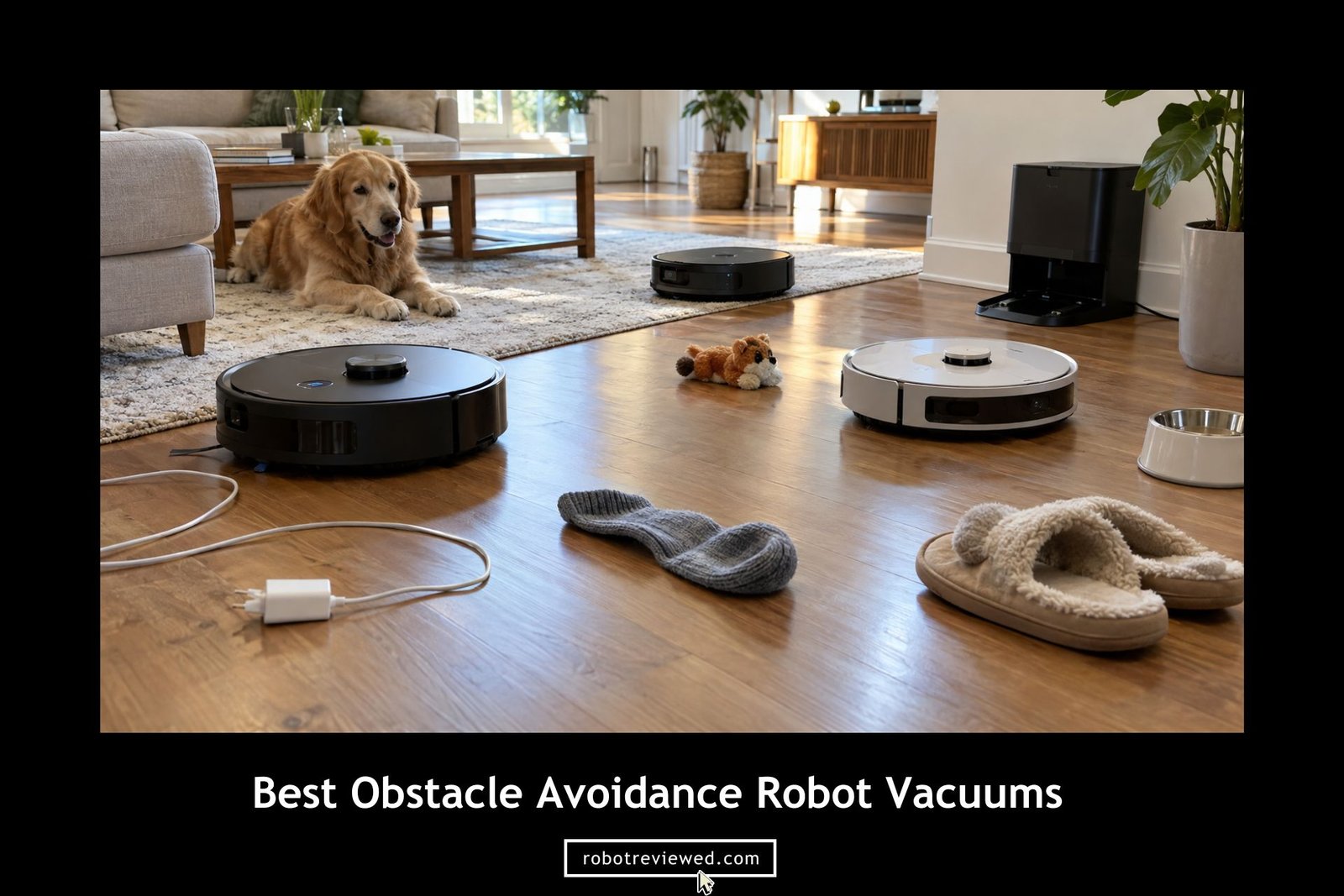
You know, charging cables, scattered toys, pet waste, and furniture can really make cleaning difficult for an ordinary robot vacuum cleaner. But, the best robot vacuums with obstacle avoidance should detect these objects and clean around them without constant help.
So which robotic vacuum models actually have the right sensors for the job? I compared 10 popular robot vacuums with AI obstacle detection, checking their sensor technology, small-object recognition, camera systems, and everyday limitations.
I also looked at what matters most for homes with pets, kids, and cluttered floors. Well, based on these findings, I’ve selected the top 10 best obstacle avoidance robot vacuum cleaners for different needs and budgets.
TABLE OF CONTENTS Quickly jump to a section
- My Picks: Top 10 Best Robot Vacuums for Avoiding Obstacles Ranked (2026)
- Side-by-Side Comparison: The Best Robot Vacuums With Obstacle Avoidance
- What Obstacles Can Robot Vacuum Cleaners Actually Avoid?
- Best Obstacle Avoidance Robot Vacuum Cleaners Reviewed
- Overall best robot vacuum with obstacle avoidance AI
- ECOVACS DEEBOT T90 Pro Omni
- Highest-rated obstacle avoidance robot vacuum for cluttered homes
- eufy Omni S2
- Robot vacuum that doesn’t bump into furniture (best for low furniture)
- Roborock Saros 10R
- Best robot vacuum and mop with AI-based obstacle detection
- ECOVACS DEEBOT X12 OmniCyclone
- Most affordable robot vacuum cleaner with obstacle avoidance
- Yeedi M14 Plus
- Best robot vacuum with poop detection (pet waste avoidance)
- iRobot Roomba j7+
- Best privacy-focused robotic obstacle-avoidance vacuums (no camera)
- eufy Omni C28
- Budget-friendly robot with laser obstacle detection
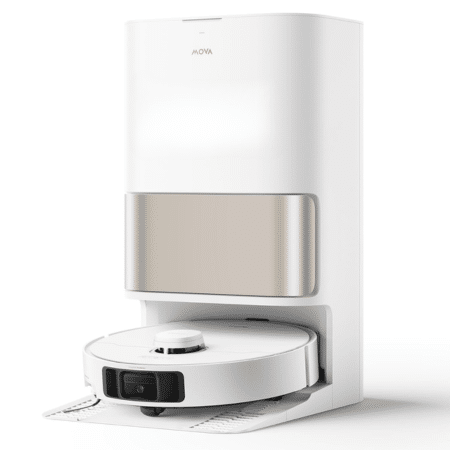
- MOVA P10 Pro Ultra Gen2
- Best robot vacuum cleaners to avoid stairs and prevent falls
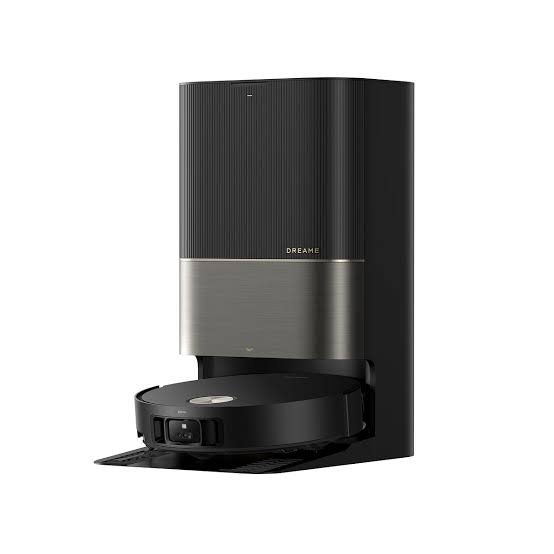
- Dreame X50 Ultra
- Most popular robot vacuum obstacle avoidance without camera
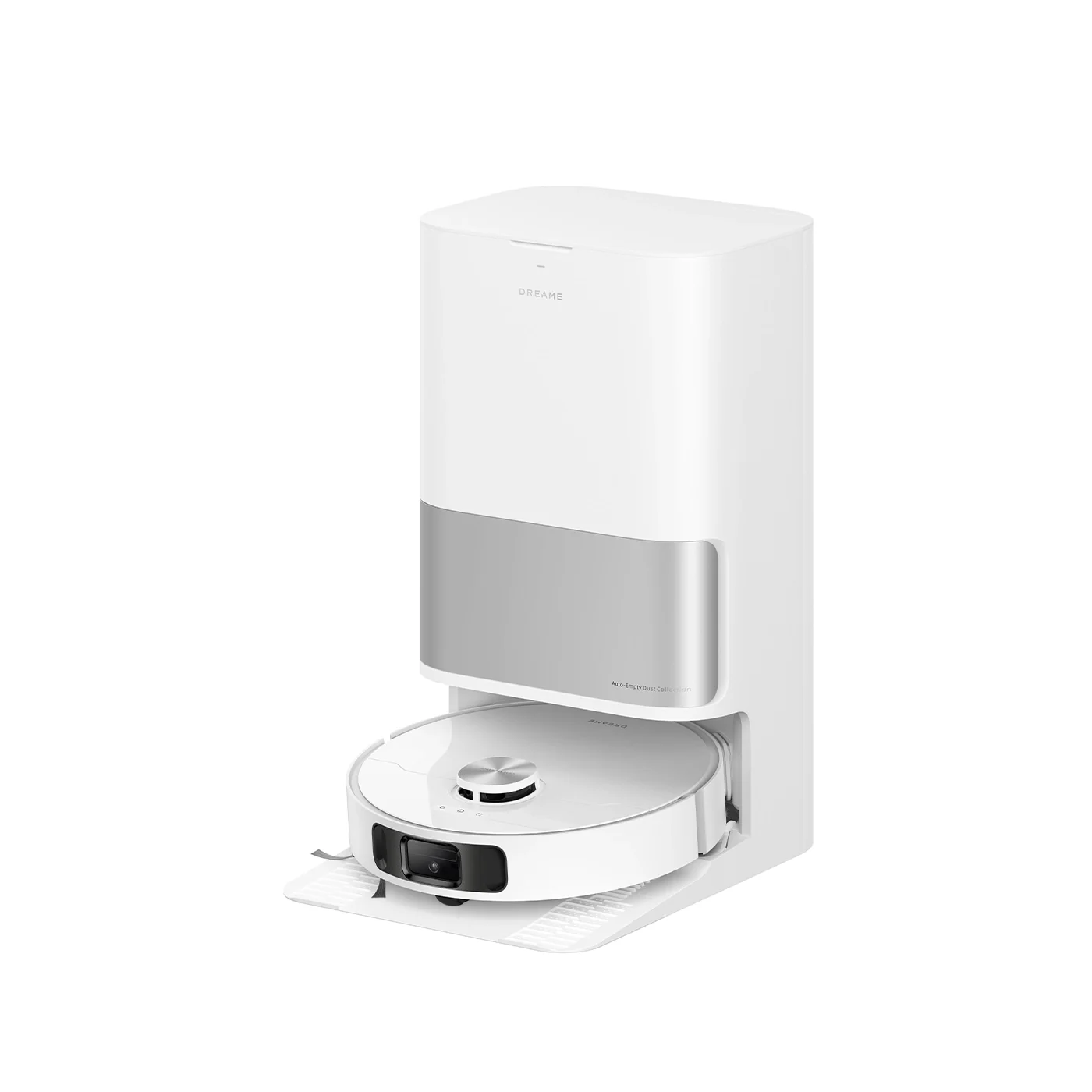
- Dreame L10s Ultra Gen 2
- How to Choose the Best Robot Vacuum with Obstacle Avoidance AI?
- No-Go Zones vs. Obstacle Avoidance
- Final Thoughts: Best Robotic Obstacle‑Avoidance Vacuums
- FAQs: Robot Vacuums with Obstacle Avoidance Sensors
- Which robot vacuum has the best obstacle avoidance?
- Can robot vacuums with AI avoid dog poop?
- Do robot vacuums avoid charging cables and socks?
- Is LiDAR enough for robot vacuum obstacle avoidance?
- Does AI obstacle avoidance work in the dark?
- Which AI robot vacuum obstacle detection feature is best?
- Are there robot vacuums with obstacle avoidance but no camera?
- Why does my robot vacuum keep hitting obstacles despite having AI detection?
- Can you turn off AI obstacle avoidance on a robot vacuum?
- Does a robot vacuum need Wi-Fi for obstacle avoidance to work?
- Can robot vacuums avoid obstacles after furniture is moved?
My Picks: Top 10 Best Robot Vacuums for Avoiding Obstacles Ranked (2026)
- Overall best robot vacuum with obstacle avoidance AI: ECOVACS DEEBOT T90 Pro Omni
- Highest-rated obstacle avoidance robot vacuum for cluttered homes: eufy Omni S2
- Robot vacuum that doesn’t bump into furniture (best for low furniture): Roborock Saros 10R
- Best robot vacuum and mop with AI-based obstacle detection: ECOVACS DEEBOT X12 OmniCyclone
- Most affordable robot vacuum cleaner with obstacle avoidance: Yeedi M14 Plus
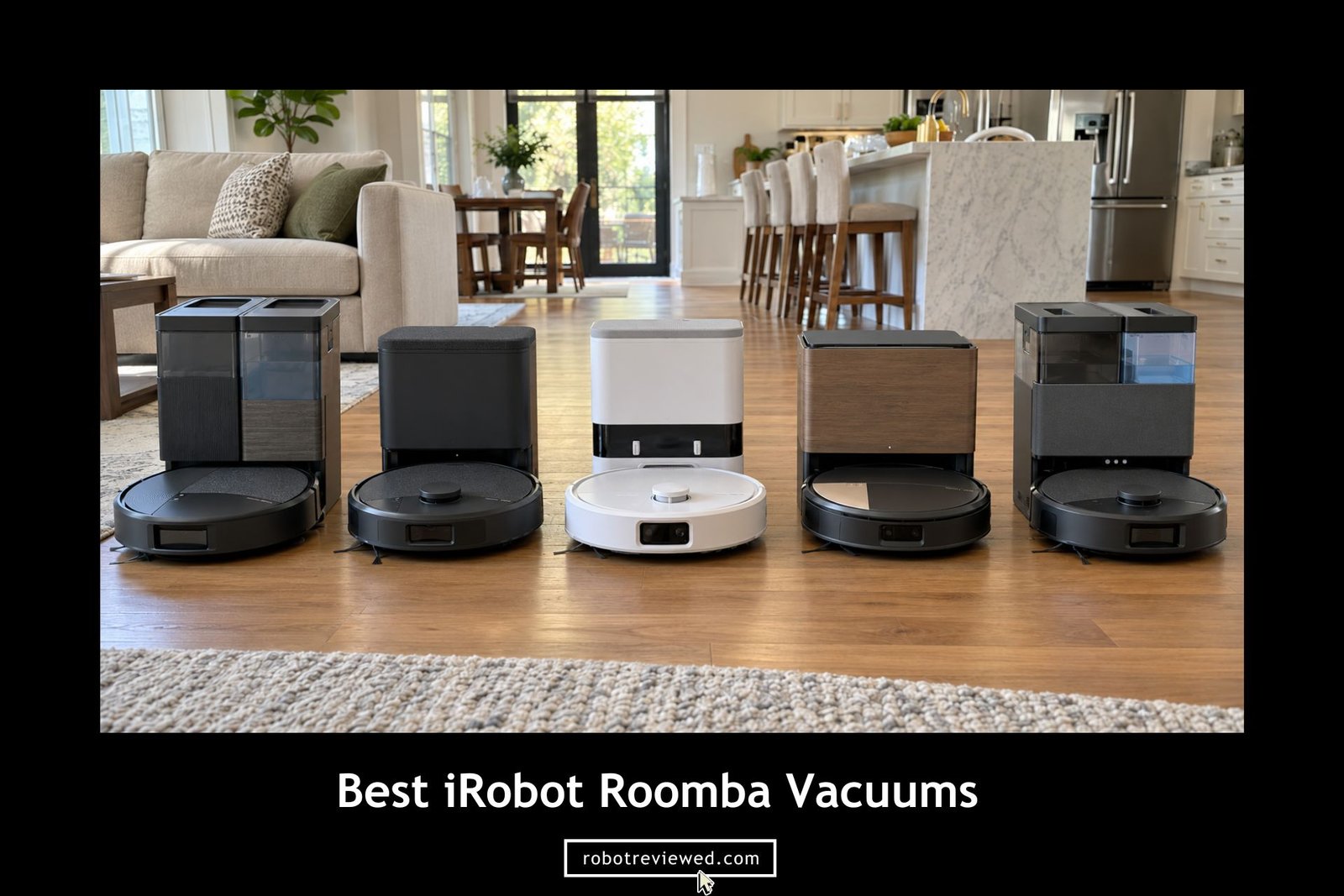
- Best robot vacuum with poop detection (pet waste avoidance): iRobot Roomba j7+
- Best privacy-focused robotic obstacle-avoidance vacuums (no camera): eufy Omni C28
- Budget-friendly robot vacuum for basic obstacle detection only: MOVA P10 Pro Ultra Gen2
- Best robot vacuum cleaners to avoid stairs and prevent falls: Dreame X50 Ultra
- Most popular robot vacuum obstacle avoidance without camera: Dreame L10s Ultra Gen 2
Side-by-Side Comparison: The Best Robot Vacuums With Obstacle Avoidance
Here is a quick comparison of the 10 best robot vacuums for obstacle avoidance…
| Robot Vacuum | Obstacle Detection System | Small-Object Detection | RGB Camera | Dark-Room Support | Robot Height |
|---|---|---|---|---|---|
| ECOVACS DEEBOT T90 Pro Omni | AIVI 3D 4.0 + structured light | Cords, pet items | Yes | Front light | 9.5 cm |
| eufy Omni S2 | 3D MatrixEye 2.0 + ToF | 200+ types; 1 cm height claim | Yes | LED + ToF | 9.8 cm |
| Roborock Saros 10R | StarSight 2.0 + VertiBeam | 108 types; 2 × 2 cm claim | Yes | 3D ToF | 7.98 cm |
| ECOVACS DEEBOT X12 OmniCyclone | AIVI 3D 4.0 + RGBD | Wires, pet waste, furniture | Yes | 3D depth sensing | 9.8 cm |
| Yeedi M14 Plus | AIVI 3D 3.0 + structured light | Shoes, cables, raised clutter | Yes | Front LED | ~9.8 cm |
| iRobot Roomba j7+ | PrecisionVision AI | Pet waste, cords, socks, shoes | Yes | Camera; needs light | 8.64 cm |
| eufy Omni C28 | LDS + front line laser | Objects ≥3 × 3 cm | No | Laser sensing | 11.05 cm |
| MOVA P10 Pro Ultra Gen2 | LDS + single-line laser | Raised obstacles; fine items unreliable | No | Laser sensing | 10.39 cm |
| Dreame X50 Ultra | AI RGB + 3D structured light | 200 types; wires, socks, pet waste | Yes | Front LED | 8.9 cm |
| Dreame L10s Ultra Gen 2 | 3DAdapt + LiDAR | Raised objects; cables less reliable | No | Laser/3D sensing | 9.72 cm |
What Obstacles Can Robot Vacuum Cleaners Actually Avoid?
What they handle well:
- Cables, socks, shoes: Nowadays, newer AI camera-based robot vacuum models can spot objects as small as 1cm and steer around them. That’s for the better models, not cheap ones.
- Stairs and drops: Cliff sensors under the vacuum stop it from falling.
What still trips them up:
- Pet waste: Always avoiding it is rare. No matter how advanced robot vacuums’ obstacle avoidance is.
- Dark rugs: You see, near-black carpet absorbs the infrared light that cliff sensors use, so the vacuum thinks it’s a stair and stops.
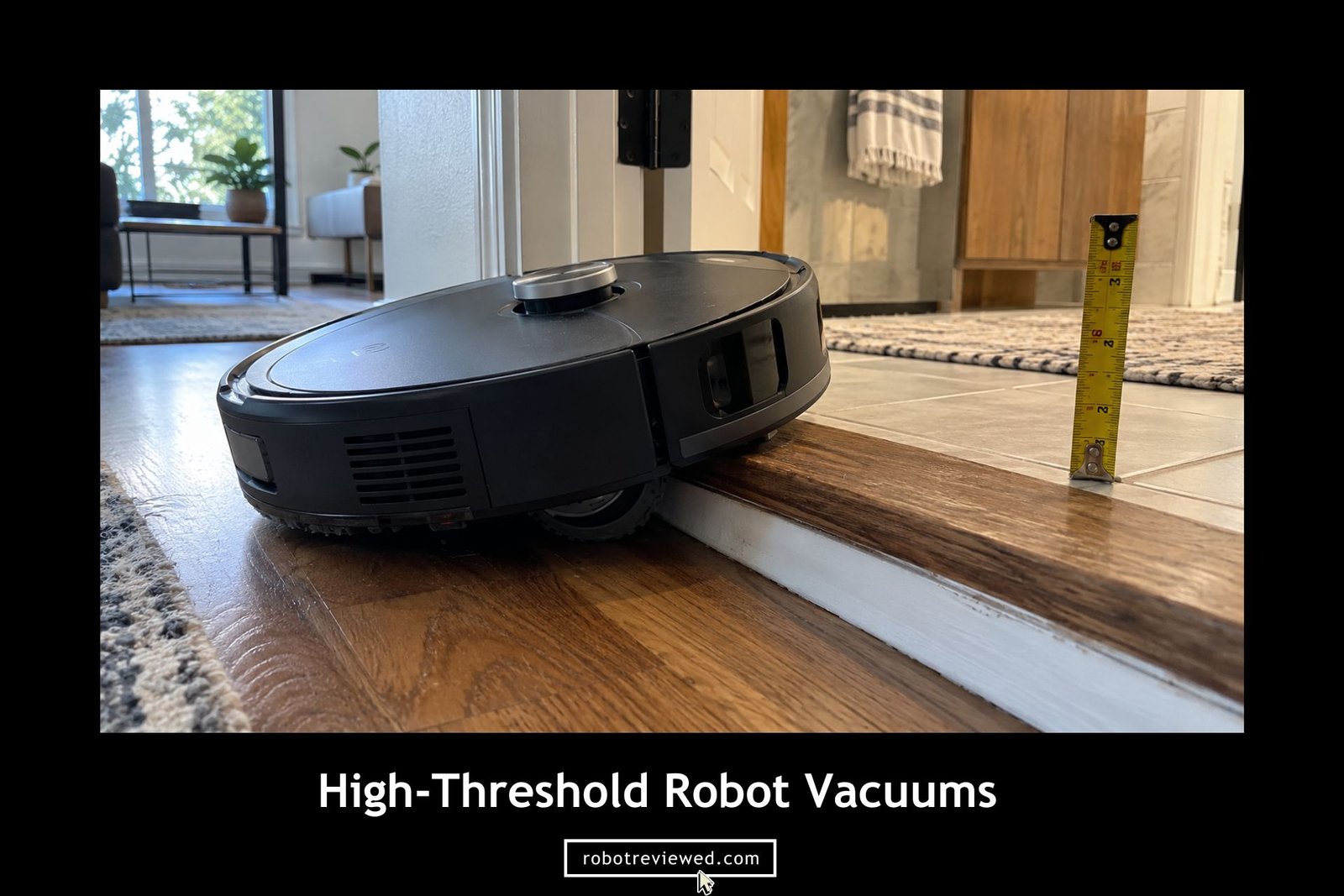
- Thresholds: Two thresholds with the same height can act very differently if one is ramped and the other is steep.
- Very small or low-contrast items: Even good models can miss them.
What to do: You must still clear cords and socks if your vacuum is a basic one. If you have pets, pick a model with a camera.
What Matters Most When Buying a Robot Vacuum With Obstacle Detection?
- The right sensor type: Basic bump sensors only react after the robot has already hit something. Cameras or 3D structured light spot objects first and steer around them. LiDAR is great for mapping, but it’s not enough alone. The better setups mix a mapping sensor with close-range or visual detection.
- Night cleaning: Camera-only systems struggle in the dark, while structured-light ones don’t. So, if you run it at night, pick structured light or maybe a combo.
- How many objects it can recognize: You must look for 50 to 100 object types, and check that the list updates through the app.
- Climbing height: You need to look for an advertised climb height of at least 0.8 inches.
- Privacy: Camera models can have privacy controls, but it’s still a fair thing to check.
My advice: If you have pets, check pet waste results first. Everything else is a bonus.
AI Cameras vs. LiDAR vs. 3D Sensors: Which Works Better?
Okay, which works better? For avoiding obstacles, cameras and structured light matter most. LiDAR is the map-maker. LiDAR handles knowing where it is, while cameras and depth sensors handle different obstacle situations.
| AI camera | LiDAR | 3D structured light | |
|---|---|---|---|
| How it works | Takes pictures and matches them to known objects | Spins a laser to measure distances | Projects infrared light to build a depth map |
| Small floor items (cords, socks) | Can identify specific things like cords, shoes, even pet waste | Mainly for mapping, so it’s not the main tool for small clutter | Recognizes objects and steers around them before touching |
| In the dark | Struggles, since it needs to see the object | Very good in the dark | Works fine, because it makes its own light |
| Best at | Telling what an object is | Planning routes and mapping | Judging how far and how big |
| Downside | Privacy is a fair concern | Weak on its own for obstacles | Less about naming objects |
Check out my other guides as well:
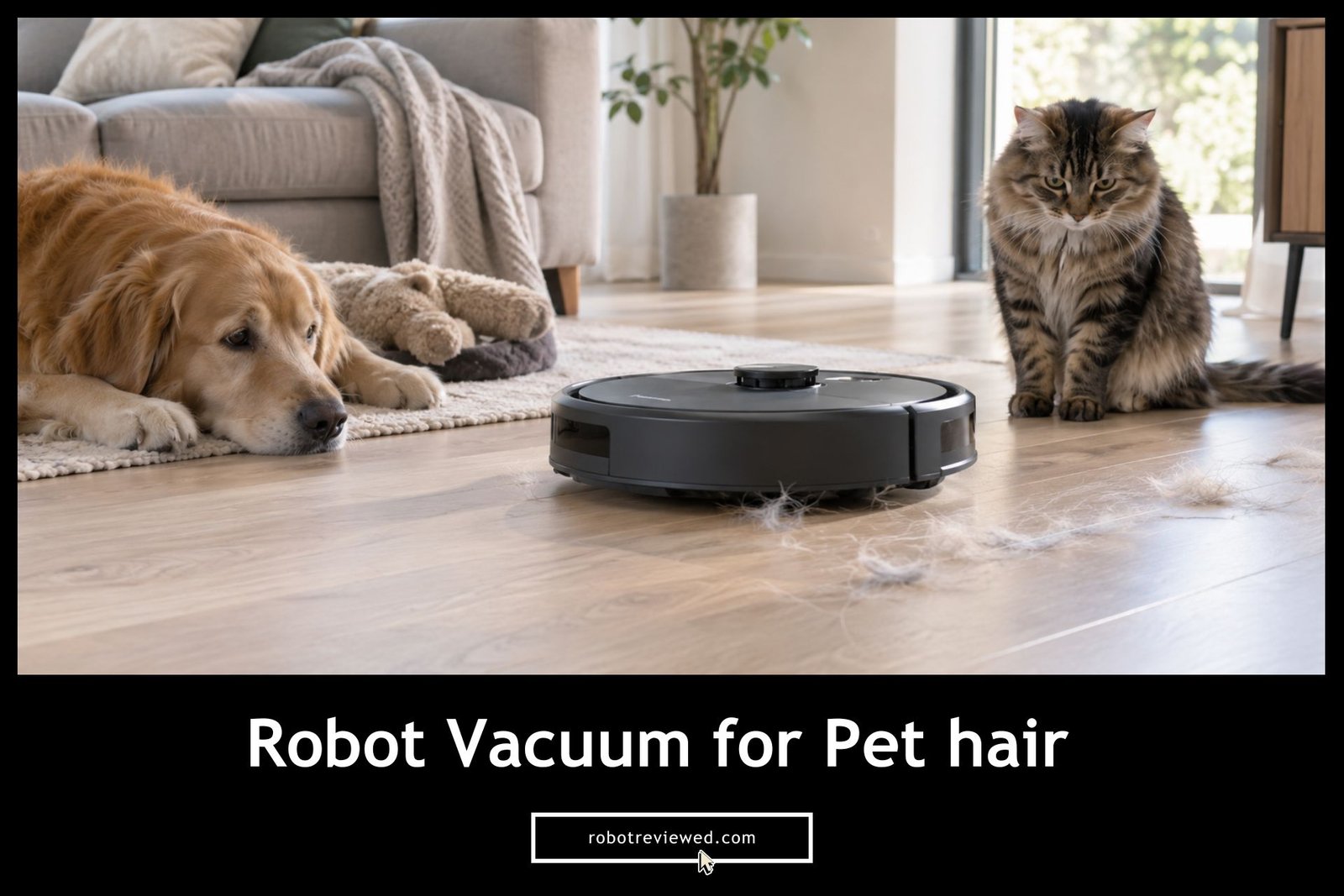
- Best robot vacuums for pet hair
- Best robot vacuums for carpet
- Best cordless vacuum cleaners
- Best handheld vacuum cleaners
- Best upright vacuum cleaners
- Best bagless vacuum cleaners
Best Obstacle Avoidance Robot Vacuum Cleaners Reviewed

Overall best robot vacuum with obstacle avoidance AI
ECOVACS DEEBOT T90 Pro Omni
Camera-based object recognition, extra lighting, and a self-washing roller make this a balanced choice for busy homes with mixed floors.
View ECOVACS DEEBOT T90 Pro Omni on AmazonWhat I like
- AIVI 3D 4.0 combines AI vision and depth sensing to help the robot steer around household objects.
- Extra front lighting supports its camera when the floor area gets dark.
- A 95 mm body reaches beneath furniture that blocks taller robots.
- The roller washes itself while mopping, and TruEdge extends it closer to walls.
- PowerBoost adds charge during mop-washing stops, helping longer cleaning jobs continue.
What I don’t like
- Homes with very low sofas may need a thinner robot, such as the Saros 10R.
- Its RGB camera rules it out if you only want a camera-free model.
- Small loose items still deserve a quick floor check before you start cleaning.
- You still need to empty dirty water and clean the filters and sensors.
Why I picked it for obstacle avoidance
The T90 Pro Omni is my overall pick because it combines object sensing with useful cleaning features for everyday rooms. Its RGB camera and structured light work together to judge what sits ahead and how far away it is. Extra lighting supports that camera in darker floor areas, where a basic vision system has less detail to work with.
That mix matters when your robot moves between a bright living room and the shaded space beneath a bed. The 95 mm body also gives it access to more low spaces without a tall laser tower on top. Once it reaches those areas, the self-washing roller and extending edge mop help it clean rather than only travel through them.
These features earn it a place among the best robot vacuums with obstacle avoidance for buyers who want one machine for vacuuming and regular mopping. Pick up very small clutter first, and measure your furniture gap before you buy.
Specs & Configurations
- Obstacle system
- AIVI 3D 4.0; RGB AI camera, structured light, and supplementary lighting.
- Room mapping
- Mini-ToF navigation.
- Camera
- Yes; this is not a camera-free robot.
- Robot height
- 95 mm, or about 3.74 inches.
- Low-light support
- Supplementary front light for the vision system.
- Maximum suction
- Up to 30,000 Pa; a brand specification, not an obstacle-avoidance score.
- Mopping
- OZMO Roller 3.0; 27 cm self-washing roller with TruEdge 3.0 extension.
- Carpet care
- Roller lifts about 15 mm; Carpets First mode vacuums rugs before wet mopping.
- Dock
- Auto-emptying, hot-water roller washing, drying, and PowerBoost charging.
- US setup
- ECOVACS app and 2.4 GHz Wi-Fi; choose the T90 Pro Omni listing.
Highest-rated obstacle avoidance robot vacuum for cluttered homes
eufy Omni S2
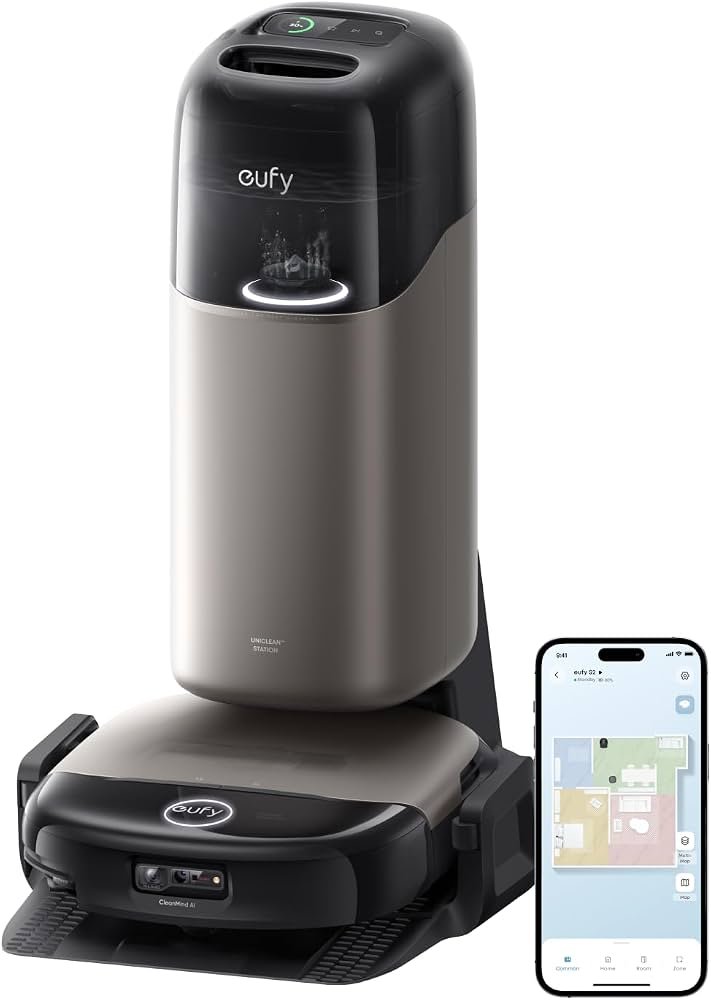
CleanMind AI uses a camera and 3D sensing to recognize many object types, with an automated roller-mop station for daily cleaning.
View eufy Omni S2 on AmazonWhat I like
- CleanMind AI recognizes 200-plus obstacle types under the brand’s test conditions.
- Its 3D ToF sensor, RGB camera, and LED combine distance sensing with visual detail.
- On-device obstacle processing keeps recognition work offline, even though app features still use a connection.
- You can set no-go zones and room schedules through the eufy app.
- The UniClean station handles dust emptying, roller washing, drying, and detergent dispensing.
What I don’t like
- Premium pricing makes little sense if you only need basic furniture avoidance.
- The advertised 1 cm detection limit does not guarantee it will avoid every thin cable.
- Dark objects, glass, and reflective surfaces can still affect detection.
- Furniture gaps below 10 cm fall outside the brand’s recommended cleaning setup.
Why I picked it for obstacle avoidance
A cluttered home needs a robot that can judge nearby objects while its cleaning route keeps changing. The Omni S2 addresses that job with 3D MatrixEye 2.0, which combines camera vision, depth sensing, and lighting. Eufy lists recognition for more than 200 obstacle types and a minimum detection height of about 1 cm in lab tests.
Those features put it on my shortlist of the best robot vacuums for obstacle detection, especially when shoes and other raised objects interrupt open floor space. You can also block problem areas in the app instead of trusting automatic detection around every unusual object. Enable AI.See and keep the front camera and sensors clean to get the intended object-recognition features.
For buyers comparing the best robot vacuums for obstacle avoidance, the S2 offers a useful mix of object recognition and roller mopping. I would still remove loose wires and flat socks, particularly near dark or reflective surfaces.
Specs & Configurations
- Obstacle system
- CleanMind AI with 3D MatrixEye 2.0.
- Front sensors
- 3D ToF depth sensing, RGB camera, and LED lighting.
- Object recognition
- 200-plus obstacle types; manufacturer lab claim.
- Detection limit
- About 1 cm, or 0.4 inch, in height under stated test conditions.
- Furniture clearance
- Allow at least 10 cm beneath furniture, following eufy’s setup guidance.
- Threshold crossing
- Up to 3.5 cm single thresholds or 4.2 cm double thresholds; shape affects clearance.
- Maximum suction
- Up to 30,000 Pa.
- Mopping and dock
- HydroJet 2.0 self-cleaning roller and 12-in-1 UniClean station.
- App controls
- AI.See recognition, no-go zones, room schedules, and carpet settings.
- Privacy and setup
- Obstacle processing works offline; connected app setup requires 2.4 GHz Wi-Fi.
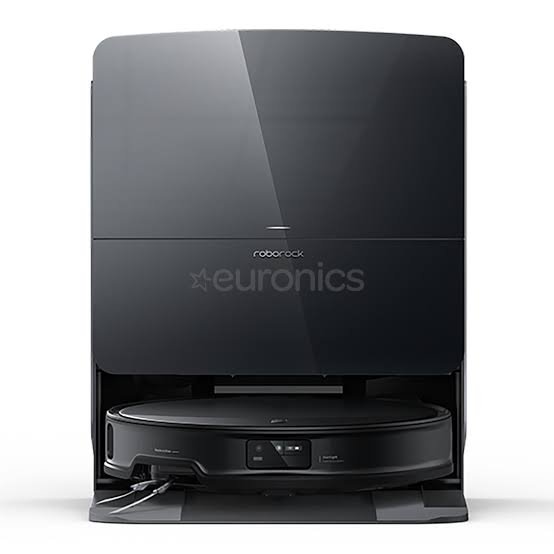
Robot vacuum that doesn’t bump into furniture (best for low furniture)
Roborock Saros 10R
A 3.14-inch body fits beneath low furniture, while front and side sensing help it move around objects in tight spaces.
View Roborock Saros 10R on AmazonWhat I like
- At 79.8 mm tall, it reaches under furniture that stops many taller robots.
- StarSight 2.0 combines 3D ToF sensing and an RGB camera for mapping and obstacle avoidance.
- VertiBeam checks the side of the cleaning path around cables and irregular furniture.
- The dock can remove its mop pads for vacuum-only cleaning and carpet-first routines.
- ToF cliff sensors add distance sensing at floor edges.
What I don’t like
- No sensor system can promise that the robot will never touch furniture.
- A gap matching its exact height leaves too little room for uneven floors or raised parts.
- Camera-free buyers should choose a different model from this list.
- Its advanced dock and sensors cost more than a basic laser-guided cleaner.
Why I picked it for obstacle avoidance
Low furniture creates two problems: the robot needs enough headroom, and it needs room to steer around nearby legs. The Saros 10R tackles both with a 79.8 mm body and StarSight 2.0 navigation, without a raised laser tower. Its 3D depth sensing and RGB camera help it map tight spaces and react to objects along its route.
The feature I value most here is VertiBeam lateral obstacle avoidance. It adds side sensing around irregular furniture and cables, where checking only the space directly ahead leaves gaps. That makes the 10R a useful option when chair legs, sofa feet, and wall edges share a narrow cleaning area.
I place it among the best robot vacuums with obstacle avoidance for low furniture because its slim shape supports its sensor system. Leave clearance above the robot, and use restricted areas around delicate furniture if needed. Occasional light contact remains possible, so I would not promise completely bump-free cleaning.
Specs & Configurations
- Obstacle system
- StarSight Autonomous System 2.0; 3D ToF sensing and an RGB camera.
- Side detection
- VertiBeam lateral obstacle avoidance.
- Object recognition
- Up to 108 obstacle types; manufacturer claim.
- Robot height
- 79.8 mm, or about 3.14 inches; allow extra furniture clearance.
- Stair-edge sensing
- ToF cliff sensors; floor-edge sensing does not replace a safe stair setup.
- Chassis
- AdaptiLift lifting chassis; up to 4 cm threshold crossing under specified conditions.
- Maximum suction
- Up to 22,000 Pa on the US listing.
- Carpet protection
- 17 mm mop lifting and automatic mop-pad removal at the dock.
- Dock
- Multifunctional Dock 4.0; auto-emptying, refilling, 176°F mop washing, and hot-air drying.
- US setup
- Roborock app and 2.4 GHz Wi-Fi; Saros 10R differs from the Saros 10.

Best robot vacuum and mop with AI-based obstacle detection
ECOVACS DEEBOT X12 OmniCyclone
AI depth sensing, a self-washing roller, and a carpet shield suit homes where avoiding objects and protecting rugs matter together.
View ECOVACS DEEBOT X12 OmniCyclone on AmazonWhat I like
- AIVI 3D 4.0 and RGBD sensing combine visual information with object depth.
- The TruEdge 3D edge sensor supports closer cleaning around changing boundaries.
- A lifting roller and carpet shield help keep wet mop material away from rugs.
- Its bagless station removes the need to keep buying disposable dust bags.
- FocusJet lets you mark dirty zones for pre-spray treatment through the app.
What I don’t like
- Emptying a bagless dock can expose you to more dust than removing a sealed bag.
- FocusJet needs marked zones; I would not treat it as guaranteed automatic stain targeting.
- The front camera makes this unsuitable for buyers who insist on no camera.
- Loose wires and delicate objects still need attention before an unattended cleaning run.
Why I picked it for obstacle avoidance
The X12 OmniCyclone makes sense when you need a robot to mop around furniture and move across rooms with rugs. Its AIVI 3D 4.0 system uses RGBD sensing, which combines color images with depth information about objects ahead. The separate TruEdge 3D edge sensor also helps the robot judge nearby boundaries while it cleans along them.
Among the best robot vacuums with AI obstacle detection, I favor this configuration for buyers who place equal weight on mopping. The roller washes itself as it moves, then lifts and gains a protective cover when the robot detects carpet. That cover adds a useful layer between the wet roller and rug fibers, beyond simply raising a damp mop.
I include the X12 among the best robot vacuums for obstacle avoidance when mixed floors and a bagless dock shape your buying decision. Clear loose cords first, and use FocusJet’s marked cleaning zones when a stubborn stain needs extra attention.
Specs & Configurations
- Obstacle system
- AIVI 3D 4.0 with RGBD color-and-depth sensing.
- Room mapping
- dToF navigation.
- Edge sensor
- TruEdge 3D Edge Sensor 2.0.
- Camera
- Yes; RGBD vision is part of its obstacle system.
- Maximum suction
- Up to 22,000 Pa with a stated 22 L/s airflow.
- Mopping
- OZMO Roller 3.0; about 27 cm roller and extending edge reach.
- Carpet protection
- About 15 mm roller lift plus an automatic protective mop cover.
- Threshold crossing
- Up to 2.4 cm single thresholds or 4 cm continuous double steps under specified conditions.
- Dock
- Bagless OmniCyclone station with a 1.6 L dustbin, roller washing, and drying.
- US setup
- ECOVACS app, marked FocusJet zones, and 2.4 GHz Wi-Fi.
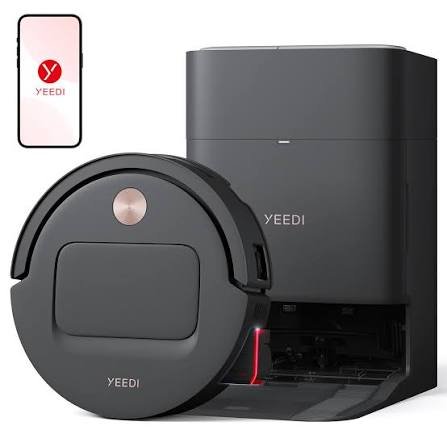
Most affordable robot vacuum cleaner with obstacle avoidance
Yeedi M14 Plus
AIVI object sensing and a self-washing roller offer a useful route into automated vacuuming and mopping when premium models cost too much.
View Yeedi M14 Plus on AmazonWhat I like
- AIVI 3D 3.0 adds AI vision and depth sensing instead of relying only on a furniture map.
- The OZMO roller receives clean water and washes itself throughout mopping.
- TruEdge 2.0 extends cleaning reach along walls and furniture edges.
- ZeroTangle 3.0 helps reduce hair wrapping around the main and side brushes.
- An OMNI dock empties dust and washes and dries the roller automatically.
What I don’t like
- A lower price does not make its object sensing equal to every premium model.
- Its camera will not suit shoppers who want a laser-only robot.
- You should remove fine wires and small cloth items before scheduled cleaning.
- Sale prices change, so I would compare current offers before calling it the cheapest choice.
Why I picked it for obstacle avoidance
Price matters, but I would still want object sensing before leaving a robot to clean around everyday floor clutter. The M14 Plus includes AIVI 3D 3.0, with AI vision and depth sensing alongside its room navigation. That gives you more relevant hardware for changing obstacles than a robot that only remembers walls and large furniture.
Its value comes from combining that sensing with a roller mop that washes itself while cleaning. You also get automatic dust emptying and dock washing, so the lower-cost choice does not require hand-rinsing a mop after every room. These features make it worth comparing with the best robot vacuums with obstacle avoidance when a premium cleaner stretches your budget.
I would choose this robotic obstacle avoidance vacuum for a mostly tidy home that still has shoes or other raised objects in the cleaning path. Remove loose cords and small fabric items first. Check the current price, since discounts can change which model offers better value.
Specs & Configurations
- Obstacle system
- AIVI 3D 3.0; AI vision and structured-light depth sensing.
- Room mapping
- LiDAR-based navigation.
- Camera
- Yes; AI vision supports real-time obstacle avoidance.
- Small-object care
- Clear loose wires, flat socks, and fragile items before running.
- Maximum suction
- Up to 18,000 Pa.
- Main brush
- ZeroTangle 3.0 anti-tangle system.
- Mopping
- Self-washing OZMO roller, up to 200 RPM, with TruEdge 2.0 edge cleaning.
- Carpet care
- Automatic mop lifting when the robot reaches carpet.
- Dock
- Auto-emptying, roller washing up to 167°F, and hot-air drying.
- US setup
- YEEDI app and 2.4 GHz Wi-Fi; M14 Plus comes in black and white.
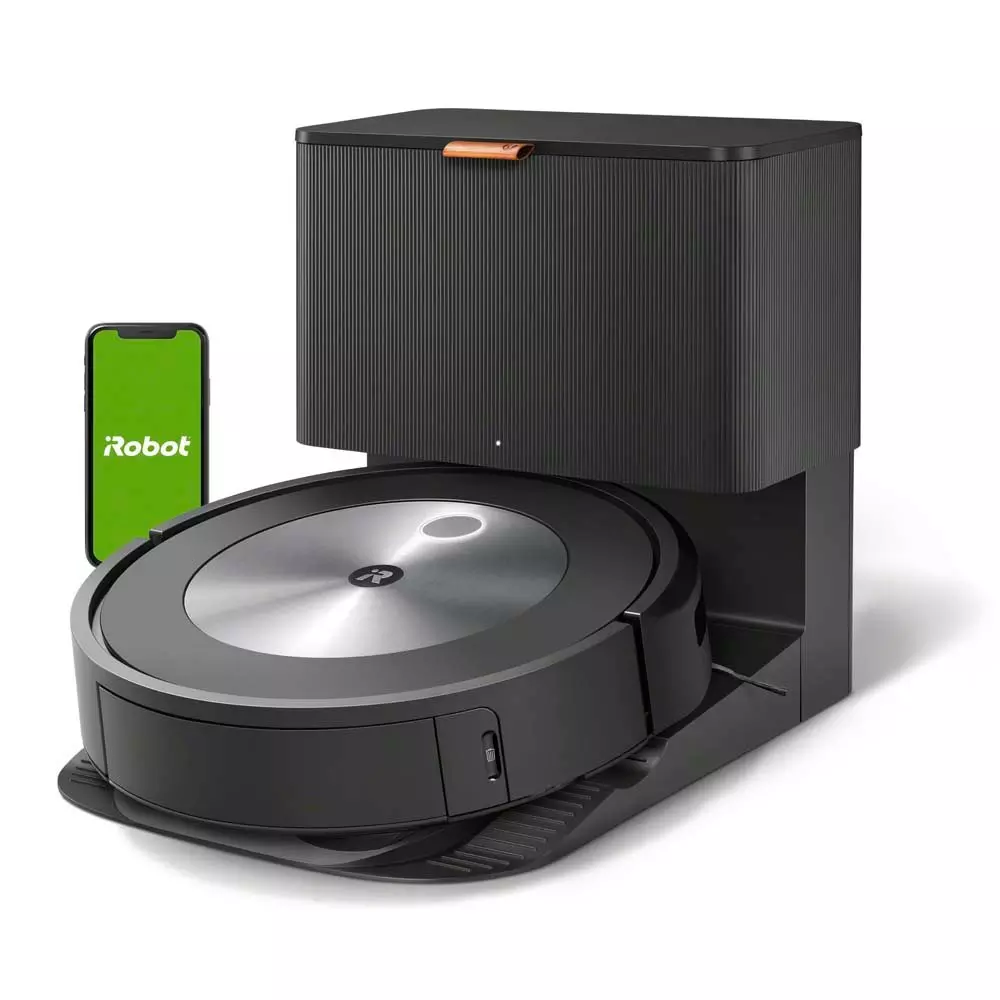
Best robot vacuum with poop detection (pet waste avoidance)
iRobot Roomba j7+
PrecisionVision recognizes solid pet waste and common floor objects, while the included Clean Base handles automatic dust emptying.
View iRobot Roomba j7+ on AmazonWhat I like
- PrecisionVision specifically targets solid cat and dog waste, rather than treating it as ordinary floor debris.
- The same camera system recognizes charging cords, socks, shoes, and other supported objects.
- Keep Out Zones let you block areas where pet accidents or fragile items need extra care.
- Two rubber main brushes handle everyday hair pickup without a bristle main brush.
- The j7+ includes a bagged Clean Base, so you do not empty its small bin after every run.
What I don’t like
- The regular j7+ only vacuums; it does not include the Combo model’s mop.
- Pet-waste avoidance does not cover urine or turn the robot into a pet-mess cleaner.
- The published P.O.O.P. promise has conditions and a one-year purchase window.
- Object recognition cannot replace checking the floor when your pet has had an accident.
Why I picked it for obstacle avoidance
Pet waste changes the buying decision because one missed object can spread a mess across several rooms. The j7+ earns this place through PrecisionVision, which specifically recognizes solid cat and dog waste as an obstacle to avoid. Its camera also handles supported objects such as charging cords, socks, and shoes, so the feature has uses beyond pet accidents.
When comparing the best obstacle avoidance robot vacuums, I would give that clear pet-waste function more weight than a vague smart-navigation label. You can add Keep Out Zones around a pet area, and the robot can show obstacle photos for feedback through the app. The included Clean Base also reduces the number of times you handle collected dust and hair.
It belongs among the best robot vacuums for obstacle avoidance for pet owners who need vacuuming rather than mopping. Check the current P.O.O.P. terms before buying: the published promise covers replacement after certain solid-waste incidents, not every pet accident or floor-cleaning expense.
Specs & Configurations
- Obstacle system
- PrecisionVision Navigation with a front-facing camera.
- Supported hazards
- Solid pet waste, charging cords, socks, shoes, and other supported objects.
- Pet-waste scope
- Solid cat or dog waste; do not rely on it to avoid urine or liquid messes.
- Published promise
- P.O.O.O.P. replacement offer for one year from purchase, subject to eligibility and current terms.
- Map controls
- Imprint Smart Mapping, room cleaning, Clean Zones, and Keep Out Zones.
- Obstacle feedback
- App photos let you give feedback on detected objects.
- Robot height
- About 3.4 inches, or 8.6 cm.
- Main brushes
- Dual Multi-Surface Rubber Brushes and an edge-sweeping side brush.
- Mopping
- No; the Roomba j7+ is different from the Roomba Combo j7+.
- Included dock
- Clean Base Automatic Dirt Disposal with enclosed dust bags.
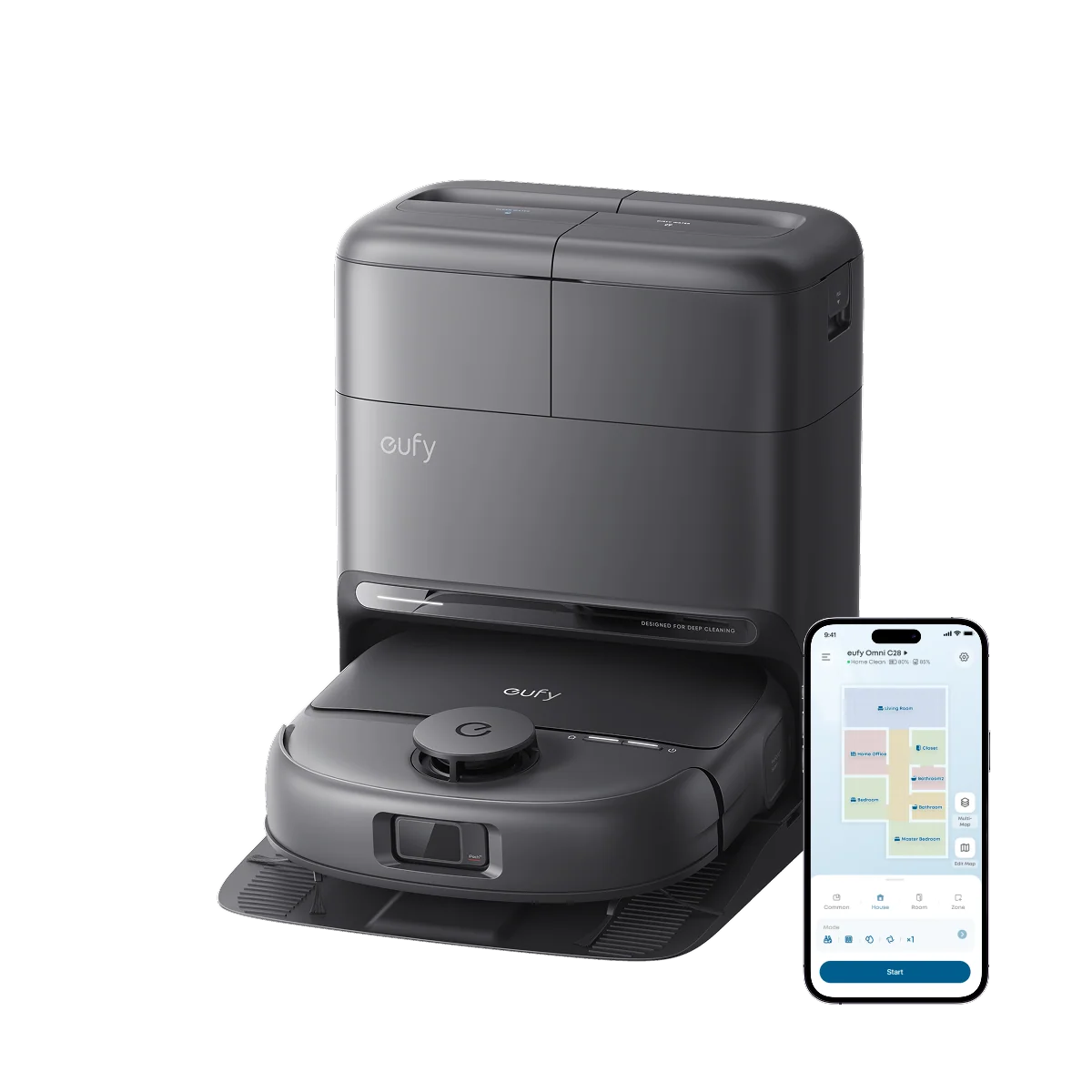
Best privacy-focused robotic obstacle-avoidance vacuums (no camera)
eufy Omni C28
Laser mapping and a front laser detect larger raised objects without an RGB camera, while a self-washing roller handles hard-floor mopping.
View eufy Omni C28 on AmazonWhat I like
- No RGB camera gives you a clear choice if indoor camera hardware makes you uncomfortable.
- LDS mapping and a front linear laser handle room layout and nearby raised obstacles.
- The laser system supports navigation in dark rooms without depending on visible camera detail.
- HydroJet washes the roller during mopping rather than leaving a dirty pad on the floor.
- DuoSpiral brushes and a five-function dock reduce routine brush and bin work.
What I don’t like
- Its stated obstacle size starts at 3 × 3 × 3 cm, which leaves thin cables outside that claim.
- Flat socks and small toys still need clearing before the robot starts.
- Laser sensing does not provide the same visual object recognition as an AI camera.
- A camera-free robot still has connected app features; it is not automatically a fully offline system.
Why I picked it for obstacle avoidance
Some buyers want obstacle sensing but feel uncomfortable putting another camera inside their home. The C28 answers that concern with LDS mapping and a front linear laser, without an RGB camera. It measures nearby shapes and distance, giving the robot information about furniture, bowls, and other raised objects in its path.
Camera-free hardware earns the C28 a place among the best robot vacuums with obstacle avoidance for buyers who want this setup. The important limit is object size: the US listing describes detection for objects at least 3 cm across, deep, and tall. A thin charging lead or a sock lying flat does not meet that size claim, so you should clear those items first.
The self-washing roller and automated dock make the C28 useful for daily hard-floor cleaning after that quick tidy. Choose it for camera-free navigation and mopping convenience, while keeping realistic expectations about small clutter and the app’s connected features.
Specs & Configurations
- Obstacle system
- LDS room mapping plus a front linear laser.
- RGB camera
- No.
- Stated object size
- At least 3 × 3 × 3 cm on the US listing; this is not a thin-cable guarantee.
- Low-light use
- Laser-based navigation supports cleaning in dark rooms.
- Practical floor prep
- Remove loose cables, flat fabric items, and small fragile objects.
- Maximum suction
- Up to 15,000 Pa.
- Main brushes
- DuoSpiral detangling brushes.
- Mopping
- HydroJet self-washing roller; about 10.8 mm automatic mop lifting.
- Dock
- Five functions: dust emptying, mop washing, hot-air drying, water refilling, and wastewater collection.
- Configuration
- eufy Omni C28 vacuum-and-mop combo with the Omni station; eufy app control.
Budget-friendly robot with laser obstacle detection
MOVA P10 Pro Ultra Gen2
A front laser and LiDAR mapping suit mostly clear floors, with strong suction and an automated dock at a lower price tier.
View MOVA P10 Pro Ultra Gen2 on AmazonWhat I like
- LDS LiDAR maps the room, while a separate front laser checks the robot’s immediate path.
- MOVA lists a front laser for Gen2, while the original Pro model lists RGB AI vision.
- MaxiReach extends the side brush and mop to improve cleaning along edges.
- 26,000 Pa suction and TurboPress mopping add useful cleaning hardware for the price tier.
- The station empties dust, washes mop pads, refills water, and dries the pads.
What I don’t like
- A single-line laser does not offer the original model’s RGB AI object recognition.
- I would not choose it mainly to detect small toys, cables, and flat socks.
- At about 4.09 inches tall, it needs more headroom than the Saros 10R.
- The optional CleanChop brush may add cost if your chosen bundle does not include it.
Why I picked it for obstacle avoidance
The P10 Pro Ultra Gen2 is a budget option for mostly clear floors, where furniture matters more than small loose clutter. MOVA specifies LDS LiDAR and a single-line front laser for mapping and obstacle detection on this generation. The original P10 Pro Ultra used an RGB camera, so its object-recognition features should not be carried over to Gen2.
I would choose Gen2 when you want laser sensing alongside an automated mop dock and useful edge-cleaning features. Its extending brush and mop help reach wall edges, while the dock handles the usual dust-emptying and mop-care work. Those are good reasons to consider it after removing cords, socks, and little toys from the floor.
However, I would not make it the main recommendation for a cluttered playroom or a home full of loose charging leads. A laser can detect something in the path without identifying exactly what it is. Buy this model for cleaning value on tidy floors, with that limit in mind.
Specs & Configurations
- Obstacle system
- Single-line front laser; LDS LiDAR handles room mapping.
- RGB AI recognition
- Not listed on the Gen2 US page; do not assume it has the original Pro’s camera features.
- Small-object limits
- Do not assume reliable recognition of cables, socks, or tiny toys.
- Robot dimensions
- 13.78 × 13.78 × 4.09 inches, including its full height.
- Maximum suction
- Up to 26,000 Pa.
- Mopping
- Dual spinning pads; TurboPress with a stated 12 N pressure and up to 260 RPM.
- Carpet care
- 10.5 mm mop lifting; choose carpet settings in the app.
- Edge reach
- MaxiReach extending side brush and mop, with RoboSwing.
- Dock
- Auto-emptying, mop washing, water refilling, and warm-air drying.
- Configuration
- MOVAhome app; V-shaped rubber main brush, with CleanChop available as an optional upgrade.
Best robot vacuum cleaners to avoid stairs and prevent falls
Dreame X50 Ultra
Cliff sensors handle floor-edge sensing, while AI vision and retractable LiDAR help it navigate clutter and low furniture on each level.
View Dreame X50 Ultra on AmazonWhat I like
- Underside cliff sensors check for floor edges separately from the front object-recognition system.
- AI vision and 3D structured light recognize up to 200 object types under brand test conditions.
- VersaLift lowers the LiDAR tower to bring robot height down to about 89 mm.
- An LED supports camera guidance in shaded spaces beneath furniture.
- ProLeap helps cross raised thresholds between rooms on the same floor.
What I don’t like
- Dreame’s manual calls for a physical barrier at stair edges, even with cliff sensors.
- Its threshold-climbing legs do not let it travel up and down a normal staircase.
- The 6 cm climbing claim applies to suitable double-step thresholds, not every single ledge.
- You pay for advanced climbing and dock features that a flat, simple home may not need.
Why I picked it for obstacle avoidance
Stair edges and floor clutter need different sensors, so I would not judge this job by an AI label alone. The X50 Ultra has underside cliff sensors for floor edges and a separate camera-and-structured-light system for nearby objects. Its front LED helps with camera guidance when furniture blocks light from reaching the floor.
That combination makes it a useful Dreame option when you want to clean separate levels that also contain furniture and everyday clutter. VersaLift lowers its sensor tower for low spaces, while ProLeap handles suitable thresholds between rooms. These climbing features help with raised floor transitions; they do not make the robot a staircase cleaner.
When comparing the best robot vacuums for avoiding obstacles, I would consider the X50 for that wider navigation mix. I cannot call it proven safer than every other robot at stairs. Follow Dreame’s instruction to place a physical barrier at stair edges, and keep the cliff sensors clean before each run.
Specs & Configurations
- Obstacle system
- AI RGB camera, 3D structured light, and LED guidance.
- Object recognition
- Up to 200 object types; manufacturer test claim.
- Stair-edge sensing
- Underside cliff sensors; use the physical stair barrier specified in the manual.
- Room mapping
- VersaLift retractable dToF LiDAR navigation.
- Lowered height
- About 89 mm, or 3.5 inches, with the sensor tower lowered.
- Threshold crossing
- ProLeap: up to 4.2 cm single steps or 6 cm suitable double steps; it cannot clean a staircase.
- Maximum suction
- Up to 20,000 Pa.
- Floor cleaning
- HyperStream detangling dual brushes, extending side brush, and dual spinning mops.
- Dock
- Automatic dust emptying, mop washing and drying, refilling, and mop removal.
- US configuration
- Dreamehome app and 2.4 GHz Wi-Fi; check accessories when choosing an Ultra or Complete bundle.
Most popular robot vacuum obstacle avoidance without camera
Dreame L10s Ultra Gen 2
LiDAR mapping and 3DAdapt sensing provide camera-free navigation, with extending mop pads and an automatic station for mostly tidy homes.
View Dreame L10s Ultra Gen 2 on AmazonWhat I like
- 3DAdapt sensing and Smart Pathfinder navigation handle object depth and room layout without an RGB camera.
- LiDAR mapping gives you a planned cleaning route rather than random movement around furniture.
- MopExtend RoboSwing reaches along edges and beneath nearby furniture overhangs.
- The mop pads rise 10.5 mm when the robot reaches suitable short-pile carpet.
- An automatic station handles dust emptying, mop washing, drying, and water refilling.
What I don’t like
- Without an RGB camera, it lacks the visual object-recognition approach used by premium AI models.
- Thin wires and flat socks still need removing from the cleaning path.
- Its 20 mm threshold rating will not suit every raised doorway.
- The small mop lift needs care around thick rugs, where Carpet Avoidance may be a better setting.
Why I picked it for obstacle avoidance
The L10s Ultra Gen 2 suits buyers who want a camera-free Dreame with automatic vacuuming and mopping. Its LiDAR mapping and 3DAdapt sensing combine a planned route with information about nearby objects. That setup helps it move around furniture without adding an RGB camera to the front of the robot.
For mostly tidy floors, it is worth comparing with the best robot vacuums for obstacle avoidance. The useful extras here are MopExtend for reaching edges, lifting mop pads for short-pile rugs, and an automatic station for daily upkeep. Those features serve a real cleaning need without requiring the top model’s climbing system or camera hardware.
Choose another model if your main problem is a floor covered with tiny toys, flat socks, or loose charging leads. Depth sensing does not give you the same visual object recognition as an AI camera. Check doorway heights too, because its stated threshold limit is only 20 mm.
Specs & Configurations
- Obstacle system
- 3DAdapt depth sensing with Smart Pathfinder navigation.
- Room mapping
- LDS LiDAR mapping and app-based map interaction.
- RGB camera
- No; this is the Gen 2 model, not the original L10s Ultra.
- Small-object care
- Clear loose wires and flat cloth items before scheduled cleaning.
- Threshold crossing
- Up to 20 mm, or about 0.79 inch, under brand test conditions.
- Maximum suction
- Up to 10,000 Pa Vormax suction.
- Mopping
- DuoScrub dual spinning pads with MopExtend RoboSwing edge reach.
- Carpet care
- 10.5 mm mop lifting, suction boost, and selectable Carpet Avoidance.
- Dock
- Auto-emptying, mop washing, warm-air drying, detergent dispensing, and water refilling.
- US setup
- Dreamehome app and 2.4 GHz Wi-Fi; check whether the listing includes a separate brush upgrade.
How to Choose the Best Robot Vacuum with Obstacle Avoidance AI?
A top-rated obstacle avoidance robot vacuum should clean around your furniture without getting stuck on shoes, cables, toys, or other things left on the floor. But not every robot with smart navigation can do that.
Some robot vacuums only detect large objects, while more advanced models use AI cameras and 3D sensors to recognize smaller items. The difference becomes obvious in homes with pets, kids, and plenty of floor clutter.
Here are the features I would check before buying a robot vacuum with AI obstacle avoidance…
1. Choose the Right Obstacle Detection Technology
The sensor system matters more than the number of features listed on the box. There are three main types worth comparing:
- LiDAR navigation: Creates accurate room maps and helps the robot move around walls and furniture. Basic LiDAR alone isn’t reliable for detecting thin charging cables or flat socks. (check best LiDAR robot vacuums)
- 3D structured light or ToF sensors: It must measure the distance and shape of nearby objects. These sensors improve obstacle detection without always needing a camera.
- AI camera with 3D depth sensing: This combines visual object recognition with distance measurements. It’s generally the better choice for homes with small toys, shoes, wires, and pet-related clutter.
For busy homes, I would favor a robot vacuum cleaner with both AI object recognition and 3D depth sensing. The eufy Omni S2, Roborock Saros 10R, and Dreame X50 Ultra are good examples.
2. Check What Small Objects It Can Actually Detect
A robot that avoids furniture doesn’t necessarily avoid charging cables, socks, or pet waste. So, you need to look for specific object recognition claims rather than broad terms like smart obstacle avoidance. Some manufacturers publish lists of supported objects or minimum detection sizes.
I would suggest: pay particular attention to:
- Charging cables and thin wires
- Socks, slippers, and small toys
- Solid dog and cat waste
- Pet bowls and furniture legs
But again, even the best robot vacuums for obstacle detection can miss very flat, transparent, or unusually shaped items. You should still remove fragile objects before unattended cleaning.
3. Consider Furniture Clearance and Stair Safety
You should measure the space beneath your sofa, bed, and cabinets before choosing a robot vacuum. You see, a tall LiDAR tower can prevent an otherwise excellent cleaner from reaching underneath low furniture.
The Roborock Saros 10R, for example, stands just 7.98 cm tall, making it suitable for many low-clearance spaces. Also, leave some extra headroom so the robot doesn’t scrape against uneven furniture. Plus, stairs need separate attention. You need to look for cliff sensors, which detect sudden drops in floor height. These are different from the front sensors that recognize shoes and cables.
4. Decide Between Camera and Camera-Free Obstacle Avoidance
A camera-based robot vacuum cleaners usually has an advantage when identifying specific household objects. That can be useful around pet accidents, charging cords, and small clutter. But, on the other hand, a robot vacuum with obstacle avoidance but no camera may suit you better if indoor privacy is a real priority.
So, robotic obstacle avoidance vacuum models such as the eufy Omni C28 and Dreame L10s Ultra Gen 2 use laser or 3D sensing without an RGB camera.
5. Check Dark-Room Detection and App Controls
Your robot may clean while you’re asleep or working in another room. Its obstacle detection should remain useful under beds, behind furniture, and in poorly lit hallways. Hence, look for front LED lighting, infrared depth sensing, or ToF technology. These features can help the robot recognize obstacles when normal room lighting is limited.
I would also check whether the app supports no-go zones, obstacle alerts, object photos, and adjustable avoidance settings. Those controls make it easier to handle areas where automatic obstacle detection isn’t enough.
Finally, don’t pay extra for advanced AI detection robot vacuums if your floors are usually clear. A simpler laser-based robot vacuum can be a sensible purchase for a tidy home.
No-Go Zones vs. Obstacle Avoidance
Obstacle avoidance and no-go zones serve different purposes, even though both stop a robot vacuum from entering certain spaces. Well, obstacle avoidance works automatically while the robot cleans. Its sensors detect an object in the cleaning path, and the robot changes direction to move around it.
No-go zones are areas you manually mark on the robot’s app map. Once saved, the robot avoids those areas during future cleaning runs, regardless of whether an object is present. For example, an AI robot vacuum cleaner may recognize a charging cable lying in the middle of your living room. A no-go zone would be more useful around a desk where several loose cables are always present.
So, I recommend using both features in cluttered homes. Let AI obstacle detection handle objects that move around, and use no-go zones for permanent problem areas.
Final Thoughts: Best Robotic Obstacle‑Avoidance Vacuums
The best robot vacuum with obstacle avoidance isn’t necessarily the most expensive one. Actually, what matters is how well its sensors handle the objects you actually have around your home. So, for overall performance, the ECOVACS DEEBOT T90 Pro Omni is my top pick. It combines AI object recognition, 3D depth sensing, and useful mopping features in one machine.
The eufy Omni S2 is another strong choice, particularly for homes where shoes, toys, and charging cords regularly end up on the floor. Its advanced detection system makes it worth considering if small obstacles are your main concern. I would choose the Roborock Saros 10R for low furniture and tight spaces, while the iRobot Roomba j7+ remains a practical option for pet owners concerned about solid pet waste.
Now, for buyers who prefer top robot vacuums without cameras, the eufy Omni C28 and Dreame L10s Ultra Gen 2 offer camera-free obstacle sensing. But again, just don’t expect the same small-object recognition as advanced AI camera models.
My advice is simple: choose the robot based on your floor clutter, furniture layout, and privacy preferences. Even advanced robotic obstacle-avoidance vacuums aren’t completely foolproof, so a quick check for loose wires and fragile items is still worthwhile.
Check out more:
FAQs: Robot Vacuums with Obstacle Avoidance Sensors
Which robot vacuum has the best obstacle avoidance?
The ECOVACS DEEBOT T90 Pro Omni is my overall best robot vacuum for obstacle avoidance. Its AIVI 3D 4.0 system combines AI vision and depth sensing to help it navigate everyday household obstacles. Now, for particularly cluttered floors, I would also consider the eufy Omni S2 and Roborock Saros 10R.
Can robot vacuums with AI avoid dog poop?
Yes, some AI robot vacuums can recognize and avoid solid dog poop. Specifically, the iRobot Roomba j7+ uses PrecisionVision to identify solid pet waste before reaching it. The Dreame X50 Ultra also includes pet waste among its supported object categories. But again,nNeither should be trusted to handle urine, liquid accidents, or every unusual pet mess.
Do robot vacuums avoid charging cables and socks?
Yes, but only models with suitable obstacle-recognition systems can reliably attempt both. Robots such as the Roomba j7+, Dreame X50 Ultra, and Roborock Saros 10R are designed to recognize small household objects. But yes, thin wires, dark cables, and socks lying flat against the floor can still be missed.
Is LiDAR enough for robot vacuum obstacle avoidance?
LiDAR is excellent for navigation, but basic room-mapping LiDAR alone isn’t enough for reliable small-object avoidance. It helps a robot map rooms, follow walls, and navigate around larger furniture. But mainly, detecting loose cables, socks, and small toys usually requires additional front-facing obstacle sensors. I would say: for cluttered homes, look for LiDAR combined with 3D structured light, ToF, or AI camera recognition.
Does AI obstacle avoidance work in the dark?
Yes, many reliable robot vacuums can detect obstacles in dark rooms, but their capabilities differ. Laser-based and infrared depth sensors don’t rely on normal room lighting. But, camera-equipped models may use built-in LEDs to see objects more clearly under furniture. Some camera systems still need ambient light, so check the model’s low-light support before buying.
Which AI robot vacuum obstacle detection feature is best?
An AI RGB camera combined with 3D depth sensing is one of the strongest options for recognizing different household objects. The camera helps identify items, while depth sensors measure their shape and distance. Plus, extra front lighting and side sensors can improve detection around furniture and dark corners.
Are there robot vacuums with obstacle avoidance but no camera?
Yes, several robot vacuums offer obstacle avoidance without an RGB camera. The eufy Omni C28 uses laser-based obstacle sensing, while the Dreame L10s Ultra Gen 2 uses 3DAdapt technology. Both can navigate around raised obstacles without relying on camera-based visual recognition. Hence, they are very sensible choices for privacy-conscious buyers, although small-object detection is more limited.
Why does my robot vacuum keep hitting obstacles despite having AI detection?
Your robot may bump into objects because its sensors are dirty, its detection settings are disabled, or the objects are difficult to recognize. Generally, thin furniture legs, reflective surfaces, and very small items can confuse some systems. So, you must clean the front sensors, check obstacle avoidance settings, and update the firmware. Also, I would suggest: for repeated collisions in the same area, add a no-go zone.
Can you turn off AI obstacle avoidance on a robot vacuum?
Yes, but very few robot vacuums allow you to disable AI obstacle detection (mainly camera), but others keep it enabled for safety. The Roomba j7 series, for example, offers an obstacle-detection setting in the classic iRobot HOME app. Turning off obstacle photo review is different from disabling obstacle avoidance itself. I wouldn’t disable detection in rooms with pets, loose cables, or fragile objects.
Does a robot vacuum need Wi-Fi for obstacle avoidance to work?
No, most robot vacuums don’t need continuous Wi-Fi access for basic obstacle avoidance. Their onboard sensors and processors handle navigation while cleaning. Plus, some advanced recognition features also work completely offline, including the eufy Omni S2’s obstacle recognition system. Wi-Fi is usually needed for initial setup, app controls, software updates, and certain connected features.
Can robot vacuums avoid obstacles after furniture is moved?
Yes, robot vacuums with real-time obstacle detection can usually react to furniture that has been moved. Their sensors scan the cleaning path and adjust the route around newly detected objects. You may still need to update the saved map after making major changes to your room layout.