Quick summary: The best budget robot vacuums are the Roborock Q7 L5, ILIFE V5s Max, eufy RoboVac 11S MAX, Tikom G8000 Max, ROPVACNIC S1, and iRobot Roomba 105 Vac due to their strong value, useful cleaning features, and low prices.
Affiliate Disclosure: This page contains Amazon affiliate links. We may earn a small commission if you buy through these links, at no extra cost to you. Our reviews and rankings are based on our own research, not on affiliate payments.
I’ve reviewed more robot vacuums than I care to admit, and here’s the truth nobody tells you: you don’t need to spend $600 to get your floors clean. Some of the best budget robot vacuums on the market right now can go toe-to-toe with models three times their price, at least on the stuff that matters day to day.
But again, the cheapest robotic vacuum cleaners can have weak suction, poor navigation, or a tiny battery. So, in this guide, I have picked options for different budgets (under $100, $200, $300) and floor types, including the best affordable vacuum robot for everyday cleaning and the best inexpensive robot vacuum for carpet and pet hair.
TABLE OF CONTENTS Quickly jump to a section
- Top 6 Best Budget Robot Vacuums Ranked
- Quick Comparison: Best Cheapest Robot Vacuum Cleaners
- My Top 3 Affordable Robot Vacuum Picks
- Full Guide: Best Budget Robot Vacuum Cleaners Reviews
- 1 Best Budget Robot Vacuum Overall
- Roborock Q7 L5
- 2 Best Affordable Vacuum Robot for Pet Hair
- ILIFE V5s Max
- 3 Best Inexpensive Robot Vacuum for Hardwood Floors
- eufy RoboVac 11S MAX
- 4 Cheapest Robot Vacuum for Carpet
- Tikom G8000 Max
- 5 Affordable Robot Vacuum and Mop Combo
- ROPVACNIC S1
- 6 Budget-Friendly Robot Vacuum With Mapping
- iRobot Roomba 105 Vac
- How We Chose the Best Budget Robot Vacuums
- How Much Should You Spend on the Cheapest Robot Vacuum?
- Cheap vs Expensive Robot Vacuums: What Do You Lose?
- Are Cheap Robot Vacuums Actually Worth Buying?
- Do Cheap Robot Vacuums Have Smart Features?
- Final Verdict: Cheapest Cleaning Robot Vacuums
- FAQs
- Which budget robot vacuum is best?
- What is the best cheap robot vacuum cleaner?
- What is the cheapest cleaning robot for daily home use?
- How long do inexpensive robot vacuums last?
- Can you really get a good robot vacuum under $100?
- Can a budget robot vacuum clean carpet?
- Are affordable robot vacuums under $200 worth it?
Top 6 Best Budget Robot Vacuums Ranked
- Best Budget Robot Vacuum Overall: Roborock Q7 L5
- Best Affordable Vacuum Robot for Pet Hair: ILIFE V5s Max
- Best Inexpensive Robot Vacuum for Hardwood Floors: eufy RoboVac 11S MAX
- Cheapest Robot Vacuum for Carpet: Tikom G8000 Max
- Affordable Robot Vacuum and Mop Combo: ROPVACNIC S1
- Budget-Friendly Robot Vacuum With Mapping: iRobot Roomba 105 Vac
Quick Comparison: Best Cheapest Robot Vacuum Cleaners
| Model | Suction | Navigation | Runtime | Mopping | Dock |
|---|---|---|---|---|---|
| Roborock Q7 L5 | 8,000Pa HyperForce | PreciSense LiDAR + saved maps | Up to 150 min | Yes, 3 water levels | Charging dock |
| ILIFE V5s Max | Up to 4,000Pa in Spot mode | Gyroscope, no saved map | Up to 100 min | No | Charging dock |
| eufy RoboVac 11S MAX | 2,000Pa | Bounce + infrared sensors | Up to 100 min | No | HomeBase charging dock |
| Tikom G8000 Max | 5,000Pa | Zig-zag + smart sensors | Up to 150 min | Yes, 300mL tank | Charging dock |
| ROPVACNIC S1 | 4,000Pa | Sensor-based, no LiDAR map | Up to 120 min | Yes, electronic mop | Charging dock |
| iRobot Roomba 105 Vac | Not listed | ClearView LiDAR | Up to 120 min | No | Charge-only dock |
If you want the full picture across every budget first, check out my guide to the best robotic vacuum cleaners overall before narrowing in here.
My Top 3 Affordable Robot Vacuum Picks
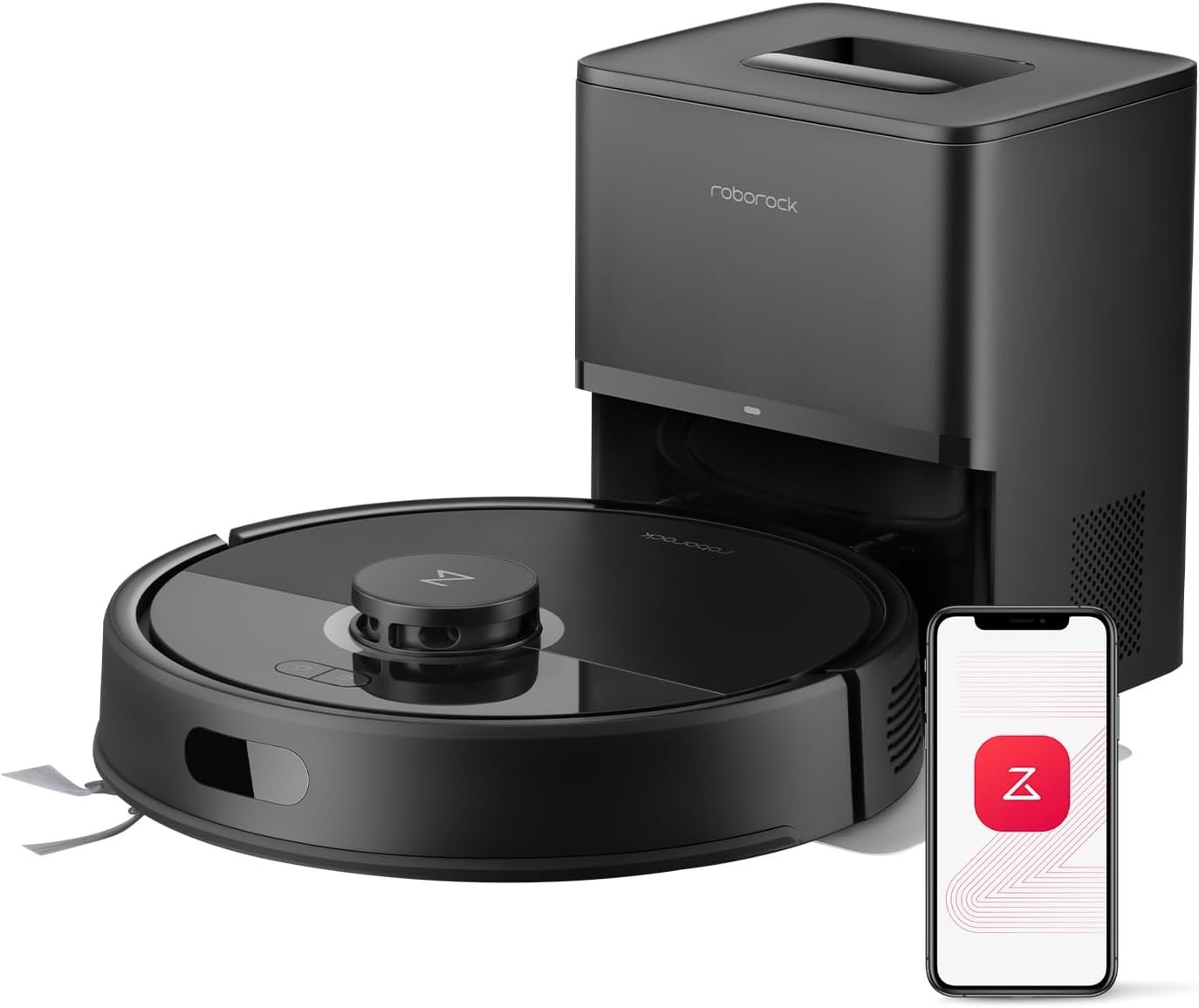
Roborock Q7 L5
- 8,000Pa HyperForce suction
- Automatic suction boost on carpet
- PreciSense LiDAR mapping
- Anti-tangle main and side brushes
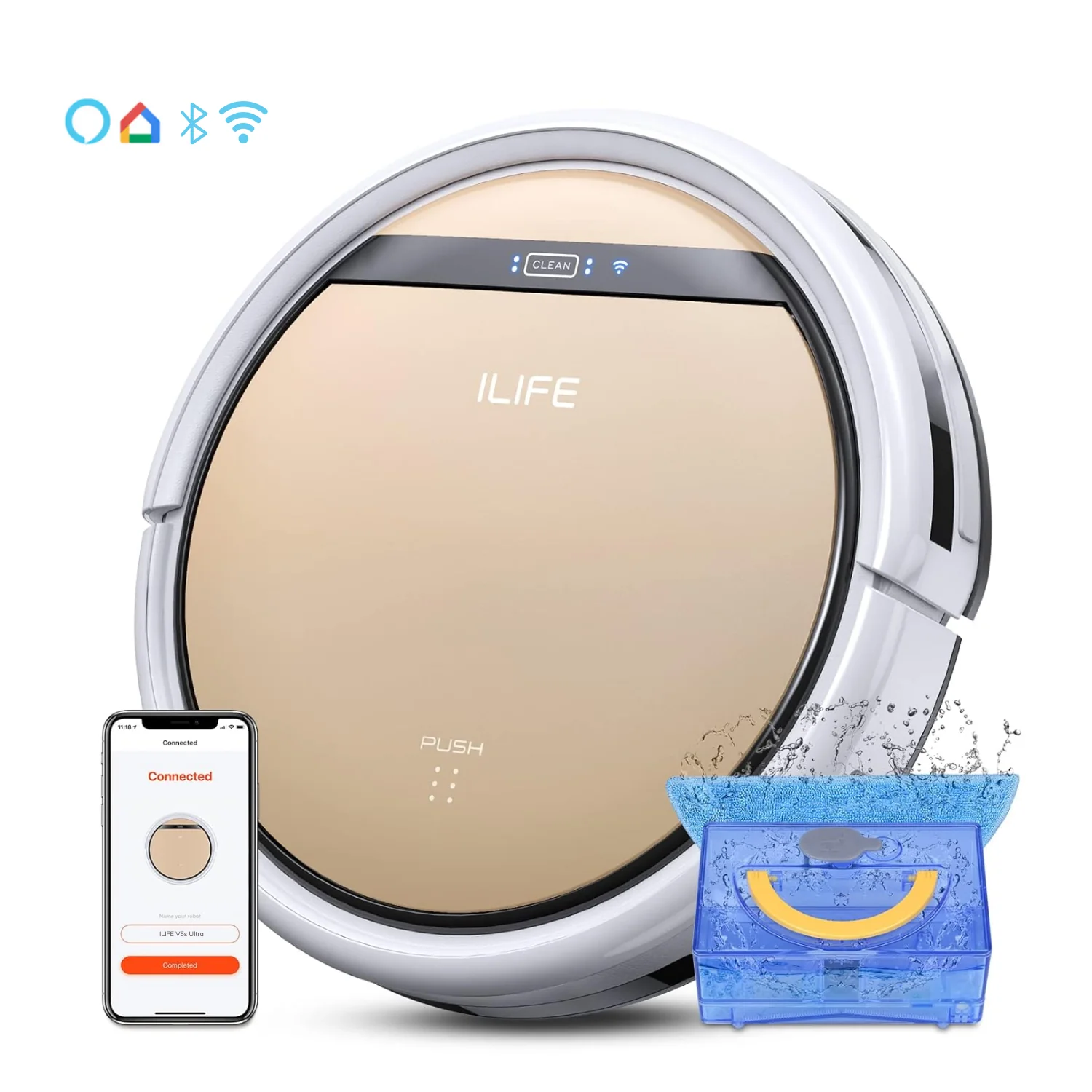
ILIFE V5s Max
- Tangle-free suction port for pet hair
- Up to 4,000Pa suction in Spot mode
- Up to 100 minutes of runtime
- Works on hard floors and low-pile carpet
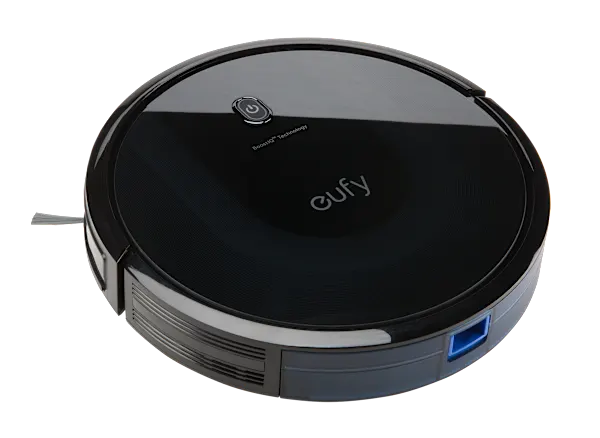
eufy RoboVac 11S MAX
- 2,000Pa maximum suction
- BoostIQ automatic suction increase
- Ultra-slim 2.85-inch body
- Up to 100 minutes on hard floors
Full Guide: Best Budget Robot Vacuum Cleaners Reviews
1 Best Budget Robot Vacuum Overall
Strong suction, accurate LiDAR mapping, and useful mopping without a costly service dock
Roborock Q7 L5
Positives
Negatives
Positives
Negatives
- 8,000Pa suction is powerful for a robot in this price range
- Auto Boost raises suction when the robot reaches carpet
- PreciSense LiDAR builds maps and follows neat cleaning routes
- Anti-tangle main and side brushes reduce hair wrap
- Three water levels add basic mopping for sealed hard floors
- No front camera or small-object avoidance system
- The mop does not lift itself over carpet
- Standard charging dock cannot empty the dustbin
Why It Is the Best Budget Robot Vacuum
The Roborock Q7 L5 is the best budget robot vacuum overall because it keeps the parts that make daily cleaning easier. Its 8,000Pa HyperForce motor has enough pull for crumbs, dust, loose pet hair, and grit sitting on low-pile carpet. Auto Boost adds more suction as soon as carpet is found. The anti-tangle main brush and side brush also need less hair cutting than a basic bristle setup.
LiDAR is the bigger reason to choose it over a cheaper bounce-style robot. The Q7 L5 draws clear rooms, follows straight paths, and can save maps for up to three floors. You can send it to one room instead of waiting for it to wander there. Its mop is simple, but three water settings work well for light marks on sealed hard floors. You must remove the mop before a carpet-only run, and the small dock only charges the robot. Those limits are fair when you want strong cleaning and proper mapping without paying for a large self-emptying station.
Key Specifications
2 Best Affordable Vacuum Robot for Pet Hair
A tangle-free suction opening and simple controls for daily pet-hair pickup
ILIFE V5s Max
Positives
Negatives
Positives
Negatives
- Tangle-free suction port does not wrap hair around a roller
- Spot mode reaches a claimed maximum of 4,000Pa
- Gyroscope navigation gives it a more orderly cleaning route
- Only 2.99 inches tall for cleaning below low furniture
- App, remote, Alexa, and Google Assistant controls are included
- No saved room map or room-by-room cleaning
- This current V5s Max model does not mop
- The 300mL bin fills quickly in a heavy-shedding home
Why It Is the Best Budget Robot Vacuum
The ILIFE V5s Max is the most affordable robot vacuum cleaner here for loose pet hair. Instead of a long brushroll, it uses an open suction port. Hair moves straight into the bin rather than winding around a roller. That design saves time if your dog or cat sheds across hardwood, tile, laminate, or short carpet. Spot mode supplies up to 4,000Pa when one area needs extra pickup.
Gyroscope navigation helps it cover a room in a more orderly way than an old random robot, but it does not build a saved map. The ILIFE Clean app lets you set a schedule, change suction, and pick Smart, Edge, or Spot mode. A remote comes in the box, so the robot is still easy to use without a phone. The small 300mL bin needs regular emptying, especially in a pet home. It also lacks mopping. Buy it for frequent hair pickup on hard floors and low-pile carpet, not for deep carpet cleaning or advanced room control.
Key Specifications
3 Best Inexpensive Robot Vacuum for Hardwood Floors
A very slim, quiet robot that handles dust and crumbs without an app
eufy RoboVac 11S MAX
Positives
Negatives
Positives
Negatives
- 2.85-inch body reaches below many beds, sofas, and cabinets
- BoostIQ raises suction when the floor needs more power
- 0.6L dustbin holds more debris than many small budget robots
- Up to 100 minutes of cleaning on hard floors
- Remote control keeps setup simple for people who dislike apps
- Random bounce navigation can miss a small section
- No Wi-Fi, phone app, saved map, or voice control
- Long hair must be removed from the main brush by hand
Why It Is the Best Budget Robot Vacuum
The eufy RoboVac 11S MAX is a good inexpensive pick for hardwood floors because it is low, quiet, and easy to run. Its 2.85-inch body slips below furniture that blocks a taller LiDAR robot. Two side brushes sweep dust away from walls, while the main brush and 2,000Pa suction collect crumbs and fine debris. BoostIQ adds power when the robot reaches a harder patch or moves onto carpet.
This model has no app and does not draw a map. It changes direction when it meets furniture and keeps moving until the job or battery ends. That basic route can be less efficient, but it also means there is no account, Wi-Fi setup, or confusing menu. The remote handles schedules and cleaning modes. A 0.6L bin gives you more room than many slim robots, and hard-floor runtime reaches about 100 minutes. Choose the 11S MAX for a flat apartment or a few open rooms. A large home with many separate rooms will benefit more from LiDAR mapping.
Key Specifications
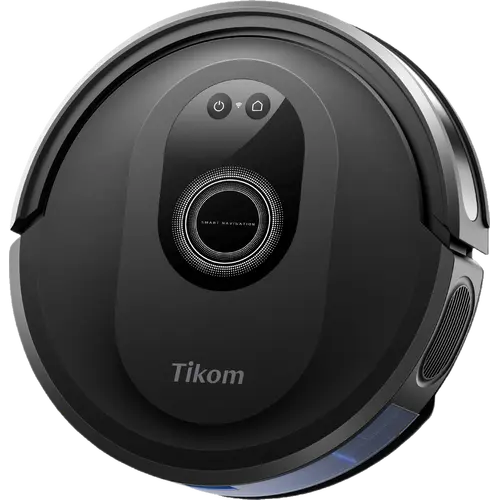
4 Cheapest Robot Vacuum for Carpet
High stated suction and long runtime for low- and medium-pile carpet
Tikom G8000 Max
Positives
Negatives
Positives
Negatives
- 5,000Pa suction is strong for a low-cost carpet robot
- Made for hard floors plus short- and medium-pile carpet
- Zig-zag mode covers a room more neatly than random movement
- Runs for up to 150 minutes in Quiet mode
- Can vacuum and mop hard floors during the same run
- No LiDAR or saved room map for targeted cleaning
- Mop pad does not lift when carpet is reached
- Main brush needs regular hair removal
Why It Is the Best Budget Robot Vacuum
The Tikom G8000 Max is the cheapest robot vacuum for carpet in this group, yet its stated suction reaches 5,000Pa. Tikom rates it for short- and medium-pile carpet as well as hard floors. Large drive wheels help it move from bare floor onto a rug, and Zig-zag mode follows a more useful back-and-forth route than a fully random cleaner. Up to 150 minutes of runtime also suits a larger open floor.
If you are looking for the best cheapest robot vacuum for mixed floors, the G8000 Max gives you plenty for the money. It carries a 450mL dustbin and a 300mL water tank, so it can vacuum and damp-mop hard floors in one pass. Remove the mop part before a carpet run because the pad cannot lift. There is no LiDAR map, room selection, or small-object camera. You will need to clear cables and toys first. Those are normal cuts at this price, and the strong suction makes the trade-off easier to accept.
Key Specifications
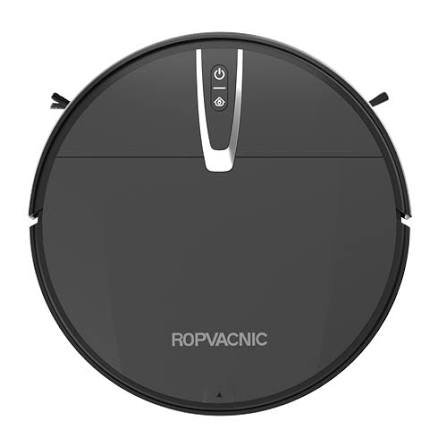
5 Affordable Robot Vacuum and Mop Combo
Electronic water control and useful phone settings at a very low price
ROPVACNIC S1
Positives
Negatives
Positives
Negatives
- Vacuuming and electronic mopping work during the same run
- Four water levels suit different sealed hard floors
- 4,000Pa suction handles common crumbs, dust, and loose hair
- 2.99-inch body reaches below many low furniture pieces
- App, remote, Alexa, and Google Assistant give you several controls
- No LiDAR map or room-by-room cleaning
- Damp pad is meant for light wiping, not dried stains
- Replacement parts and support are less established than major brands
Why It Is the Best Budget Robot Vacuum
The ROPVACNIC S1 is a low-cost way to vacuum and mop sealed hard floors in one trip. This version lists 4,000Pa suction and a three-point cleaning system. Two side brushes pull dust and crumbs into the center path, while the rear pad wipes the floor. Its water tank uses electronic control, and the app gives you four flow levels. That helps you use less water on laminate and more on tile.
A 4,400mAh battery gives this small robot enough capacity for regular home cleaning, while the 2.99-inch body fits below many sofas and beds. You can start it with the ROPVACNIC app, the included remote, Alexa, or Google Assistant. Smart, Spot, Edge, Scheduled, and Manual modes cover the main daily jobs. Do not expect true deep mopping or a saved room map. The S1 relies on simpler navigation and a standard charging dock. It works best as a frequent floor helper that keeps dust and light marks from building up.
Key Specifications
6 Budget-Friendly Robot Vacuum With Mapping
ClearView LiDAR, room control, and recharge-and-resume cleaning from a known brand
iRobot Roomba 105 Vac
Positives
Negatives
Positives
Negatives
- ClearView LiDAR maps rooms and cleans in neat rows
- App supports room targeting, keep-out zones, and schedules
- Three-stage system cleans hard floors and carpet
- Recharges and resumes an unfinished cleaning job
- Up to 120 minutes of listed battery runtime
- Standard 105 Vac does not include the AutoEmpty dock
- Vacuum-only design has no mop attachment
- 4.1-inch body cannot pass below very low furniture
Why It Is the Best Budget Robot Vacuum
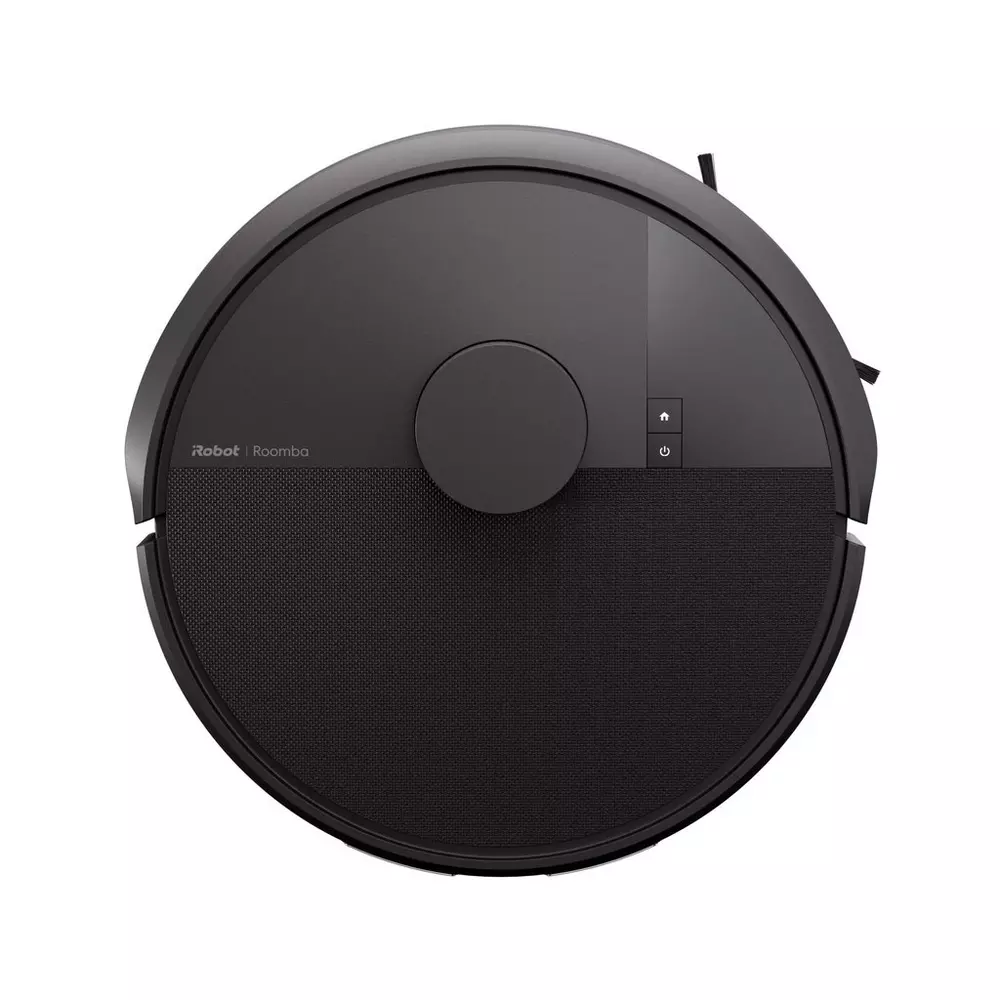
The iRobot Roomba 105 Vac is the best low-cost choice here if mapping matters more than mopping. ClearView LiDAR scans the rooms, builds a usable map, and guides the robot in neat rows even when the room is dark. In the Roomba Home app, you can target one room, skip another, draw keep-out zones, change cleaning passes, and set a schedule. The robot also returns to charge and then continues an unfinished job.
Its three-stage system combines a multi-surface main brush, an edge-sweeping brush, and power-lifting suction. iRobot describes the suction as 70 times stronger than its older Roomba 600 series rather than giving the US model a pascal number. The standard Q312020 version carries a 380mL bin and runs for up to 120 minutes. It cannot mop, and this package uses a small charging base instead of the optional AutoEmpty dock. Still, accurate room control makes it much easier to live with than a cheap robot that wanders around without a map.
Key Specifications
How We Chose the Best Budget Robot Vacuums
You see, picking a cheap robot vacuum cleaner isn’t about finding the biggest number on the box. Most budget robot vacuum brands shout about suction power because it’s the easiest spec to inflate. So we looked at the stuff that actually shows up in your daily life.
Here’s what we weighted, and how.
Cleaning Performance
Honest take: on hard floors and low-pile rugs, a $130 robot and a $700 robot get pretty similar results. The gap shows up on thick carpet, around furniture legs, and in how much babysitting the thing needs.
You need to look for:
- Pickup on hard floors (this is where almost all cheap robotic vacuums do fine)
- Pickup on carpet, especially medium and high pile, where budget robots struggle
- Edge and corner cleaning, which depends on the side brush more than suction
- Pet hair handling, and whether hair wraps around the brush roll
- How many passes it needs before a room looks clean
Price and Value for Money
A robot vacuum cleaner eats filters, side brushes, main brushes, and mop pads. So, expect somewhere around $20 to $50 a year in consumables for most budget robot vacuum models. Plus, self-emptying docks add dust bags to that list, which pushes the running cost up.
So a $99 robot with hard-to-find parts can end up costing more than a $180 robot with cheap, easy-to-buy replacements. You can also read my guide on the most reliable vacuum cleaners.
Suction Power
You’ll see “5000Pa” and “10,000Pa” plastered everywhere. Here’s the thing to know: Pa ratings are mostly marketing. There’s no independent lab checking these claims, and brands measure them in different ways. A no-name 12,000Pa bot can easily clean worse than a known-brand 2,500Pa one.
What we actually look at:
- Brush design matters more than raw suction on carpet. Rubber or brushless rollers beat cheap bristles.
- Consistency matters more than peak power. A bot that maintains suction as the bin fills is better than one that fades.
- Around 2,000Pa or more is genuinely fine for hard floors and low-pile rugs.
- Only trust big Pa numbers from brands with a track record (Roborock, Ecovacs, eufy, Shark, iRobot).
Navigation and Mapping
This is the single biggest difference between a budget robot vacuums and a good one. There are basically three types:
| Navigation type | How it works | Found on | Real-world result |
|---|---|---|---|
| Random / bump | Drives until it hits something, turns, repeats | Under $100 | Covers a small room eventually. Misses spots. Slow. |
| Gyroscope | Rough straight-line paths, no real map | $100–$180 | Neater than random. Still no room control. |
| LiDAR mapping | Spinning laser builds a real floor map | $180 and up | Tidy rows, room selection, no-go zones, faster cleans |
Battery Life
- 90–120 minutes: fine for apartments and small homes (under about 800 sq ft)
- 120–180 minutes: comfortable for most 2–3 bedroom homes
- 180+ minutes: helpful for larger homes or multi-level cleaning
Most robots now do recharge and resume, meaning they go back to the dock, charge up, and pick up where they stopped. That softens a weak battery quite a bit. Check for this feature, because obviously some ultra-cheap robotic vacuum cleaner models still don’t have it.
Also worth knowing: battery capacity drops over time, so you can expect noticeably shorter runs by year two or three.
Reliability and Replacement Parts
This is the part most buying guides skip, and it’s the one that decides whether you’re happy in year three.
Across the industry, a robot vacuum generally lasts around 4 to 6 years with decent care, though budget robot vacuum models sit at the lower end of that range, and some cheap ones tap out at 2 to 3 years. The motor usually isn’t what dies. It’s the small stuff.
Typical wear schedule:
| Part | Replace every | What you’ll notice |
|---|---|---|
| Filter | 2–4 months | Suction drops off |
| Side brush | 3–6 months | Edges stop getting clean |
| Main brush roll | 6–12 months | Weaker pickup on carpet |
| Battery | 2–3 years | Much shorter cleaning runs |
| Wheels | 3–5 years | Slipping, squeaking, stuck on rugs |
All of that is cheap and you can swap it yourself in a few minutes. The real risk with off-brand robots is parts disappearing. You see, if the company stops selling filters, or the app gets shut down, a perfectly working robot turns into junk. That’s why we lean toward brands that have been around a while, even if it costs $20 more.
How Much Should You Spend on the Cheapest Robot Vacuum?
Short answer: $150 to $200 is the sweet spot for most people. Below that, you’re buying a floor-sweeper with wheels. And above that, you start paying for convenience features rather than better cleaning.
| Budget | What you actually get | Who it suits |
|---|---|---|
| Under $100 | Random navigation, small bin, basic suction, no mapping | Tiny apartments, dorms, one or two rooms, hard floors |
| $100–$150 | Better suction, longer battery, app control, basic mopping | Small homes, hard floors, light pet hair |
| $150–$200 | LiDAR mapping, room selection, no-go zones, sometimes self-empty | Most families. Best value zone. |
| $200–$300 | Self-emptying dock, anti-tangle brushes, stronger carpet cleaning | Pet owners, bigger homes, people who hate emptying bins |
Budget Robot Vacuums Under $100
Well, best robot vacuum under $100 is the true bargain basement, and you need realistic expectations.
- What you get: a slim robot that drives semi-randomly, picks up dust and crumbs on hard floors, and returns to its dock. Some have app control and Alexa support, which is honestly impressive at this price.
- What you don’t get: mapping, room selection, no-go zones, reliable carpet cleaning, or a big dustbin
Budget Robot Vacuums Under $150
Now, this is where the most affordable robot vacuum cleaners start feeling like real appliances instead of gadgets. Best for: small to medium homes, mostly hard floors, one pet or none.
Two solid directions here:
- The vacuum-and-mop combos: The Tikom G8000 Max (usually around $115–$130) is the popular pick. It claims 5,000Pa suction, runs up to around 150 minutes, and has a clip-on water tank so it can damp-mop while it vacuums. The mopping is basic (it drags a wet pad, it doesn’t scrub), but on tile and laminate it does pick up light stickiness.
- The reliable simple ones: The eufy RoboVac 11S MAX (around $140–$150) has been on the market for years and has tens of thousands of reviews. It’s only about 2.85 inches tall, which means it actually fits under beds and sofas that block most robots. No Wi-Fi on the base 11S model, though. You use a remote.
Budget Robot Vacuums Under $200
Well, here are the best cheapest robot vacuums that actually live, because $200 is roughly where LiDAR mapping became normal. Now, what changes at this price:
- The robot builds a map of your home on the first run
- You can say “clean just the kitchen” from your phone
- You can draw no-go zones around the dog bowl or cable corner
- Cleaning takes less time because it drives in straight rows
- Some models even include a self-emptying dock
Honest note: the self-empty docks at this price are loud, and they use bags you’ll need to rebuy. So, worth it if you have pets but again, less important if you don’t mind emptying a bin twice a week.
Budget Robot Vacuums Under $300
Best for: pet households, homes over about 1,200 sq ft, and anyone who wants to think about the vacuum roughly once a month.
What the extra money adds:
- Longer self-empty intervals (some docks hold 7 to 12 weeks of debris)
- Anti-tangle brush designs, which is a big deal for long hair
- Stronger real suction, useful on medium and high-pile carpet
- Better obstacle avoidance so it stops eating charging cables
- Multi-floor mapping for houses with stairs
Actually, a popular pick, the best budget robot vacuum under $300 includes the Roborock Q7 M5 / Q7 M5+ (roughly $250–$280), which pairs LiDAR, a self-empty dock, and dual anti-tangle brushes.
Cheap vs Expensive Robot Vacuums: What Do You Lose?
| Feature | Budget Vacuum Robot ($100–$300) | Premium Robotic Vacuum ($600–$1,500) |
|---|---|---|
| Hard floor cleaning | Very good | Very good |
| Carpet cleaning | Okay to good | Clearly better |
| Navigation | LiDAR from ~$180 | LiDAR + AI camera obstacle avoidance |
| Obstacle avoidance | Basic. It will hit socks and cables. | Recognizes and dodges objects |
| Mopping | Damp pad dragged along the floor | Scrubbing pads, auto-washing, auto-drying |
| Dock | Charge only, or basic self-empty | Washes and dries mop pads, refills water |
| Carpet handling while mopping | Usually can’t lift the mop | Lifts mop pad off carpet automatically |
| Build and noise | Rattlier, louder | Quieter, sturdier |
| Expected lifespan | Roughly 2–5 years | Roughly 4–7 years |
| App polish | Fine, sometimes clunky | Smooth, more settings |
The biggest practical loss on cheap robotic vacuum cleaners is obstacle avoidance. A premium bot sees a sock and goes around it. A budget vacuum robot eats the sock, wraps it in the brush, and stops in the middle of your hallway. So you’ll do a quick floor tidy before running it. That’s the tax you pay.
The second biggest is mopping. Budget “mopping” is really damp wiping. It’s good for dust and light footprints. It will not lift dried sauce off your kitchen tile.
Are Cheap Robot Vacuums Actually Worth Buying?
For most people, yes, with one condition: buy it as a maintenance tool, not a deep cleaner.
An affordable robot vacuum running four or five times a week keeps floors in a permanently “just tidied” state. Dust never builds up. Crumbs never pile under the table. That’s the value. It’s not replacing your upright vacuum cleaner for the monthly deep clean, and it never was going to.
Cheap robot vacuums are worth it when:
- You have mostly hard floors
- Your home is small to medium-sized
- Want daily upkeep, not deep cleaning
- Okay picking up cables and socks first
They’re probably not worth it when:
- Your home is mostly thick carpet
- Have multiple heavy-shedding pets
- Floor plan is full of obstacles, thresholds, and clutter
- You want true hands-off cleaning with zero involvement
Do Cheap Robot Vacuums Have Smart Features?
The smart features are mostly there. It’s the smart eyes you’re missing. More than you’d expect, actually. Even a lot of sub-$150 models now include:
- Wi-Fi and app control (start, stop, schedule from your phone)
- Voice control with Alexa and Google Assistant
- Scheduling, so it cleans while you’re at work
- Recharge and resume
- Suction modes (quiet, standard, max)
From roughly $180 up, you also get:
- Saved floor maps
- Room-by-room cleaning (“clean the bedroom”)
- No-go zones and virtual walls
- Cleaning history and coverage reports
- Multi-floor maps on some models
What you generally don’t get cheap:
- Camera-based object recognition
- Auto mop washing and drying
- Mop lifting on carpet
- Voice assistants built into the robot itself
- Detailed dirt-detection sensors
Read: Robot vacuum technology explained
Final Verdict: Cheapest Cleaning Robot Vacuums
In a nutshell, if you want one clear recommendation: spend between $200 and $300, and buy from a brand you’ve heard of. That’s where LiDAR mapping, app control, room selection, and decent suction all show up together, and it’s the point where a robot vacuum stops feeling like a novelty.
Quick guide by situation:
- Tightest possible budget, one or two rooms, hard floors: eufy RoboVac 11S MAX or ILIFE V5s Max. Both are simple, low-cost choices for basic daily pickup.
- Small home, wants mopping too: Tikom G8000 Max or ROPVACNIC S1. Both vacuum and mop without pushing the price too high.
- Most people: Roborock Q7 L5. You get strong 8,000Pa suction, LiDAR mapping, carpet boost, and basic mopping.
- Pets, carpet, or a bigger house: iRobot Roomba 105 Vac is a good fit for larger mapped cleaning, while the ILIFE V5s Max makes sense for loose pet hair on hard floors and low-pile carpet.
- Thick carpet everywhere and zero patience: honestly, save up for a mid-range model instead. None of these six is built for serious deep cleaning on thick carpet.
FAQs
Which budget robot vacuum is best?
The Roborock Q7 L5 is one of the best budget robot vacuums for most homes. It combines 8,000Pa suction, LiDAR mapping, carpet boost, and basic mopping at a lower price than premium models.
What is the best cheap robot vacuum cleaner?
The eufy RoboVac 11S MAX is a good cheap robot vacuum for simple daily cleaning. It works especially well on hard floors and low-pile carpet, and its slim body can reach under low furniture.
What is the cheapest cleaning robot for daily home use?
The ILIFE V5s Max and eufy RoboVac 11S MAX are strong low-cost options for basic daily cleaning. Both suit smaller homes where you mainly need dust, crumbs, and loose hair picked up regularly.
How long do inexpensive robot vacuums last?
A budget robot vacuum can often last around 3 to 5 years with normal use and regular maintenance. But yes, battery life, brush wear, cleaning frequency, and replacement-part availability make a big difference.
Can you really get a good robot vacuum under $100?
Yes, but most affordable robot vacuums under $100 focus on basic cleaning rather than advanced mapping or self-emptying. So models in this range can still work well for hard floors, small rooms, and everyday dust pickup.
Can a budget robot vacuum clean carpet?
Yes, many budget robot vacuums can clean low- and medium-pile carpet. The Roborock Q7 L5 and Tikom G8000 Max are better suited to carpet than very basic models, but thick carpet usually needs a stronger mid-range machine. You can also check out my specific guide on the best robot vacuums for carpet.
Are affordable robot vacuums under $200 worth it?
Yes, this is the bracket we’d point most people toward. Actually, under $200 you now get LiDAR mapping, room selection, no-go zones, app scheduling and voice control, which were premium features not that long ago. You’re still doing the bin emptying, the mop-pad rinsing, and a quick floor tidy before each run. But for keeping floors consistently clean without thinking about it, it’s a lot of value for the money.