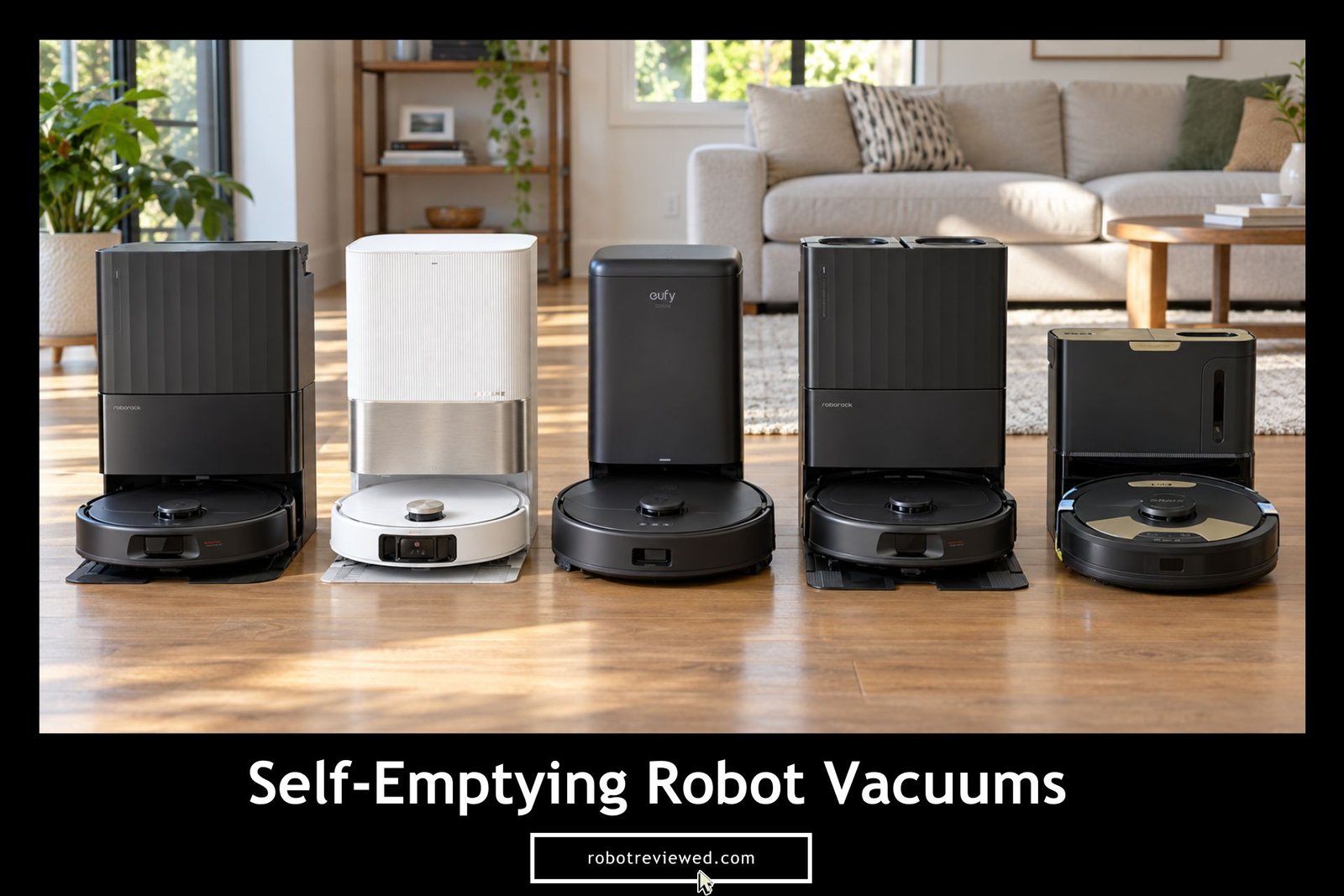
Quick Summary: The best self-emptying robot vacuum cleaners are Roborock QV 35A, Dreame X50 Ultra, and eufy X10 Pro Omni due to their strong cleaning, smart navigation, useful dock features, and low-maintenance daily use.
Affiliate Disclosure: This page contains Amazon affiliate links. We may earn a small commission if you buy through these links, at no extra cost to you. Our reviews and rankings are based on our own testing and research, not on affiliate payments.
I’ve spent the last few months testing top-rated self-emptying robot vacuums. You see, finding the best self-emptying robot vacuums is not only about picking the model with the biggest suction number.
So, I look at how well each robot cleans, how the self-emptying dock works, how often you need to touch the dust bin, and how useful the app and mapping features are in real home use. Plus, I even compare pet-hair pickup, carpet cleaning, mopping, battery life, and dock maintenance before recommending a model.
Here is my list and in-depth reviews of the top 10 best self-empty robot vacuum cleaners…
TABLE OF CONTENTS Quickly jump to a section
- Top 10 Best Self-Emptying Robot Vacuums Ranked (Automatic Dust Empty)
- Side-by-Side Comparison: Best Robot Vacuums With Self-Emptying Base
- My Top 3 Picks: Best Self-Emptying Robotic Vacuum Cleaners
- Full Guide: Best Self-Empty Robot Vacuums Reviews
- How We Chose the Best Self-Emptying Robot Vacuums
- What Is a Self-Emptying Robotic Vacuum Cleaner?
- Self-Emptying vs. Self-Cleaning Robot Vacuums: What Is the Difference?
- How to Maintain an Automatic-Emptying Robot Vacuum
- Final Verdict: Which Self-Emptying Robot Vacuum is Best?
- FAQs: Best Robot Vacuums With Self-Emptying Dock
- What is the best self-emptying robot vacuum in 2026?
- What is the best self-empty robot vacuum cleaner for pet hair?
- Are self-emptying robotic vacuums worth the extra money?
- How often do self-emptying robot vacuums need to be emptied?
- Do self-emptying robot vacuums need bags?
- Are there bagless self-emptying robot vacuums?
- Are self-emptying robotic vacuums good for allergies?
- Can a robot vacuum empty itself while cleaning a large home?
Top 10 Best Self-Emptying Robot Vacuums Ranked (Automatic Dust Empty)
- Best Self-Emptying Robot Vacuum Overall: Roborock QV 35A
- Most Powerful Self-Emptying Robot Vacuum Cleaner: Dreame X50 Ultra
- Top-Rated Self-Emptying Robot Vacuum for Pet Hair: eufy X10 Pro Omni
- Most Reliable Self-Emptying Robotic Vacuum for Carpet: Roborock Qrevo S
- Highest-Rated Self-Empty Robot Vacuum for Hardwood Floors: Roborock Qrevo S5V
- Best Self-Emptying Robot Vacuum and Mop Combo: Dreame L40 Ultra Gen2
- Cheapest Self-Emptying Robot Vacuum Cleaner: eufy L60
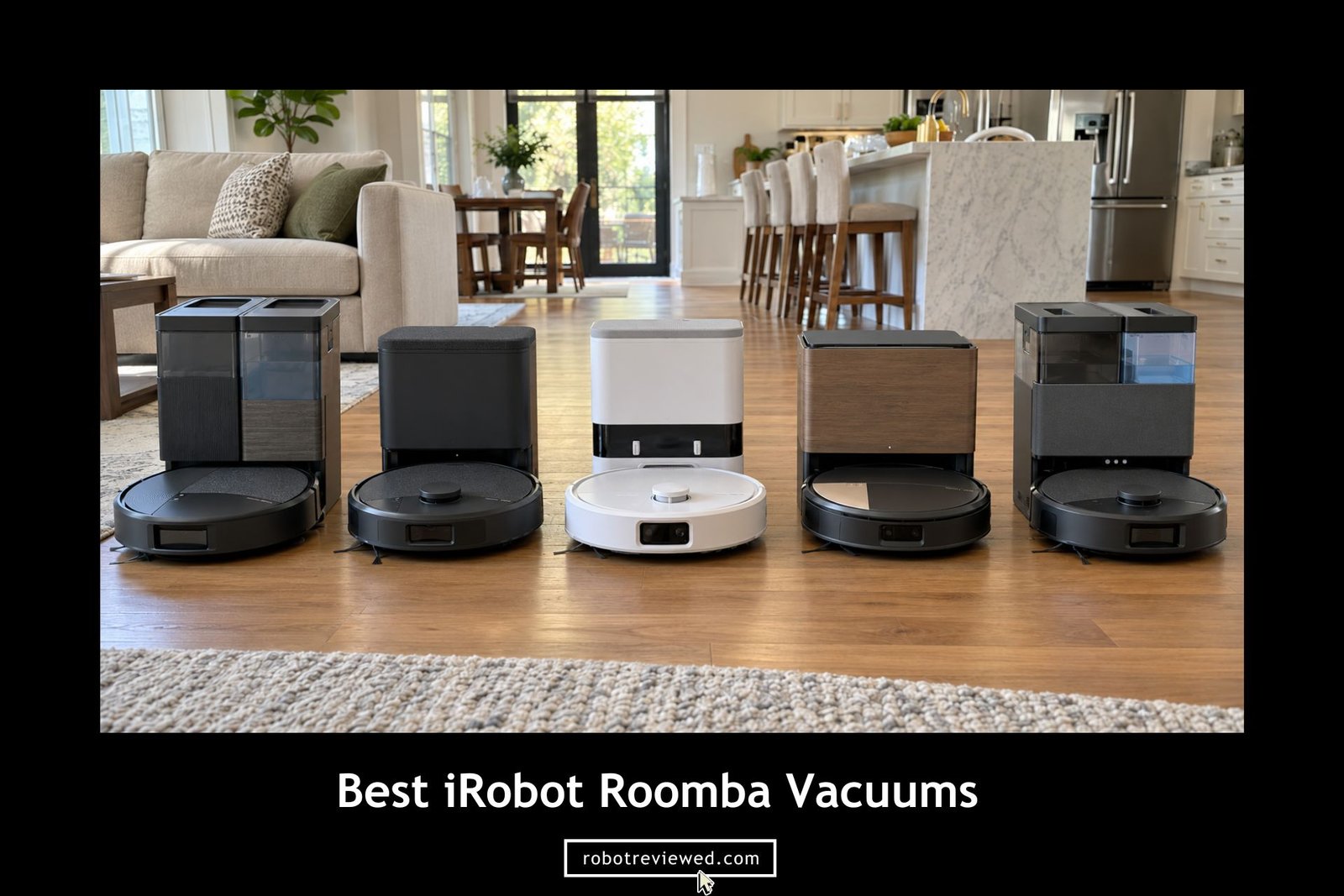
- Highly Trusted Self-Emptying Robot Vacuum Brand: iRobot Roomba j7+
- Best Bagless Robot Vacuum With Self-Emptying Base: Shark Matrix Plus 2-in-1 AV2630WA
- Safest Self-Empty Robot Vacuum Cleaner for Allergies: Shark AI Ultra AV2501S
Side-by-Side Comparison: Best Robot Vacuums With Self-Emptying Base
| Model | Suction | Mopping | Navigation / Avoidance | Self-Empty Dock | Max Runtime | Current U.S. Price* |
|---|---|---|---|---|---|---|
| Roborock QV 35A | 8,000 Pa | Dual spinning, 200 RPM | LiDAR + Reactive Tech | 2.7 L bag; wash, dry, refill | Up to 180 min | $649.99 |
| Dreame X50 Ultra | 20,000 Pa | Dual mops + MopExtend | DToF LiDAR + RGB camera + 3D light | 3.2 L bag; hot wash, hot dry, refill | 220 min | $999.99 |
| eufy X10 Pro Omni | 8,000 Pa | Dual rotating, 180 RPM | LiDAR + RGB camera + LED | 2.5 L bag; wash, heated dry, refill | 210 min vacuum-only | $899.99 |
| Roborock Qrevo S | 7,000 Pa | Dual spinning, 200 RPM; 10 mm lift | LiDAR + Reactive Tech | 2.7 L bag; wash, warm dry, refill | 180 min | $799.99 |
| Roborock Qrevo S5V | 12,000 Pa | Dual spinning, 200 RPM; FlexiArm | LiDAR + Reactive Tech | 2.7 L bag; wash, warm dry, refill | 180 min | $499.99 |
| Dreame L40 Ultra Gen 2 | 25,000 Pa | Dual rotating; 10.5 mm lift | LDS + 3DAdapt | 3.2 L bag; hot wash, warm dry, refill | 231 min | $569.99 |
| eufy L60 Self-Empty Station | 5,000 Pa | No | LiDAR + infrared sensors | 2.5 L bag; hair cutting | 120 min | $559.99† |
| iRobot Roomba j7+ | Not published | No | PrecisionVision camera | Bagged Clean Base; up to 60 days | Not published | $799.99 |
| Shark Matrix Plus 2-in-1 AV2630WA | Not published | Sonic mop; 100 scrubs/min | 360° LiDAR | Bagless; up to 45 days | 110 min | $749.99 |
| Shark AI Ultra AV2501S | Not published | No | 360° LiDAR | Bagless HEPA; up to 30 days | 120 min | $549.99 |
If you’re still deciding between a self-emptying model and a standard robot vacuum, my overall best robotic vacuum cleaners reviewed roundup is a good place to start first.
My Top 3 Picks: Best Self-Emptying Robotic Vacuum Cleaners
Full Guide: Best Self-Empty Robot Vacuums Reviews
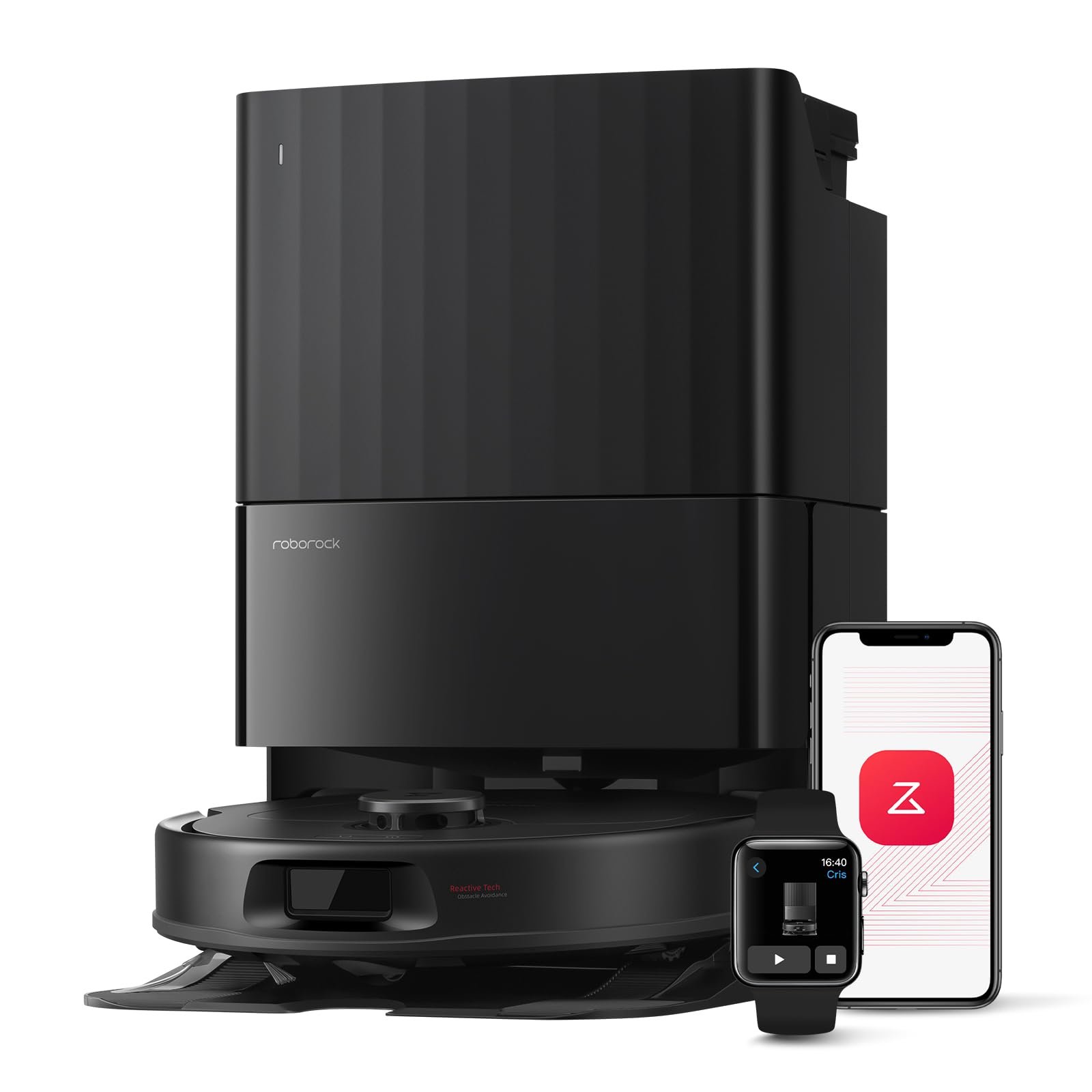
Roborock QV 35A
Strong suction, two spinning mops, reliable LiDAR mapping, and a full-service dock give this Roborock the best balance for most homes.
Check Price on AmazonPositives
- The 8,000 Pa suction handles crumbs, dust, and loose pet hair well.
- Dual spinning mop pads scrub at up to 200 RPM.
- Its main brush and curved side brush help reduce hair tangles.
- LiDAR creates quick maps and saves layouts for up to four floors.
- The dock empties dust, washes the mops, dries them, and refills water.
Negatives
- Cold-air drying takes longer than heated drying.
- The mop pads do not extend far beyond the round body.
- Small cords and very low items can still confuse the obstacle sensors.
- Replacement dust bags add a regular running cost.
Why Is It Best?
The Roborock QV 35A is the best self-emptying robot vacuum overall because it covers the jobs that matter without pushing the price into flagship range. Its 8,000 Pa suction is strong enough for daily dirt, cereal, litter, and hair on hard floors and common carpets. A floating rubber brush stays close to uneven floors, while the curved side brush is shaped to reduce hair wrap.
Two mop pads spin at up to 200 RPM instead of dragging a flat wet cloth behind the robot. They also lift when carpet is detected. PreciSense LiDAR maps rooms in a clear pattern, and Reactive Tech helps the robot move around larger floor items.
The main reason it wins is the complete dock. You get automatic dust emptying, mop washing, air drying, and water refilling in one system. That useful mix makes the QV 35A easier to own than a basic self-empty model and much cheaper than many premium robots.
Self-Emptying Dock Performance
After cleaning, the dock pulls debris from the robot into a sealed 2.7-liter bag. Roborock rates this size for up to about seven weeks, but pet hair and daily runs can fill it sooner. The same dock washes both mop pads, dries them with room-temperature air, refills the robot’s water tank, and has a removable base that is easier to rinse.
Specs & Configurations
- Maximum suction
- 8,000 Pa HyperForce.
- Main brush
- Floating all-rubber brush with an anti-tangle shape.
- Side brush
- Zero-Tangle Arc side brush.
- Mopping
- Two liftable spinning pads; up to 200 RPM.
- Navigation
- PreciSense LiDAR with multi-floor mapping.
- Obstacle system
- Reactive Tech structured-light avoidance.
- Dock functions
- Auto-empty, mop wash, cold-air dry, and automatic water refill.
- Dock dust bag
- 2.7 liters; up to about seven weeks under light use.
- Battery
- 5,200 mAh lithium-ion battery.
- Threshold height
- Up to 0.79 inch, or 2 cm.
- App and voice
- Roborock app, Alexa, Google Assistant, and Siri Shortcuts.
- Wi-Fi
- 2.4 GHz only.
Best For
The QV 35A is best for a medium or large home with both hard floors and low- or medium-pile carpet. It suits busy families that want vacuuming and real scrubbing in the same run. Pet owners will also value its anti-tangle brushes and adjustable dock-emptying schedule.
Who Should Buy It
- Choose it if you want one dock to handle both dust and mop care.
- Mixed-floor homes will benefit from automatic mop lifting.
- Long-hair households should find the anti-tangle brush design useful.
- Roborock app users get detailed room, carpet, and cleaning controls.
Who Should Skip It
- Homes full of loose cables need stronger camera-based object detection.
- Thick or shag carpet may need a regular upright vacuum as well.
- People who want hot-water mop washing should move to a higher model.
- Very tight rooms may not have enough space for the full-size dock.
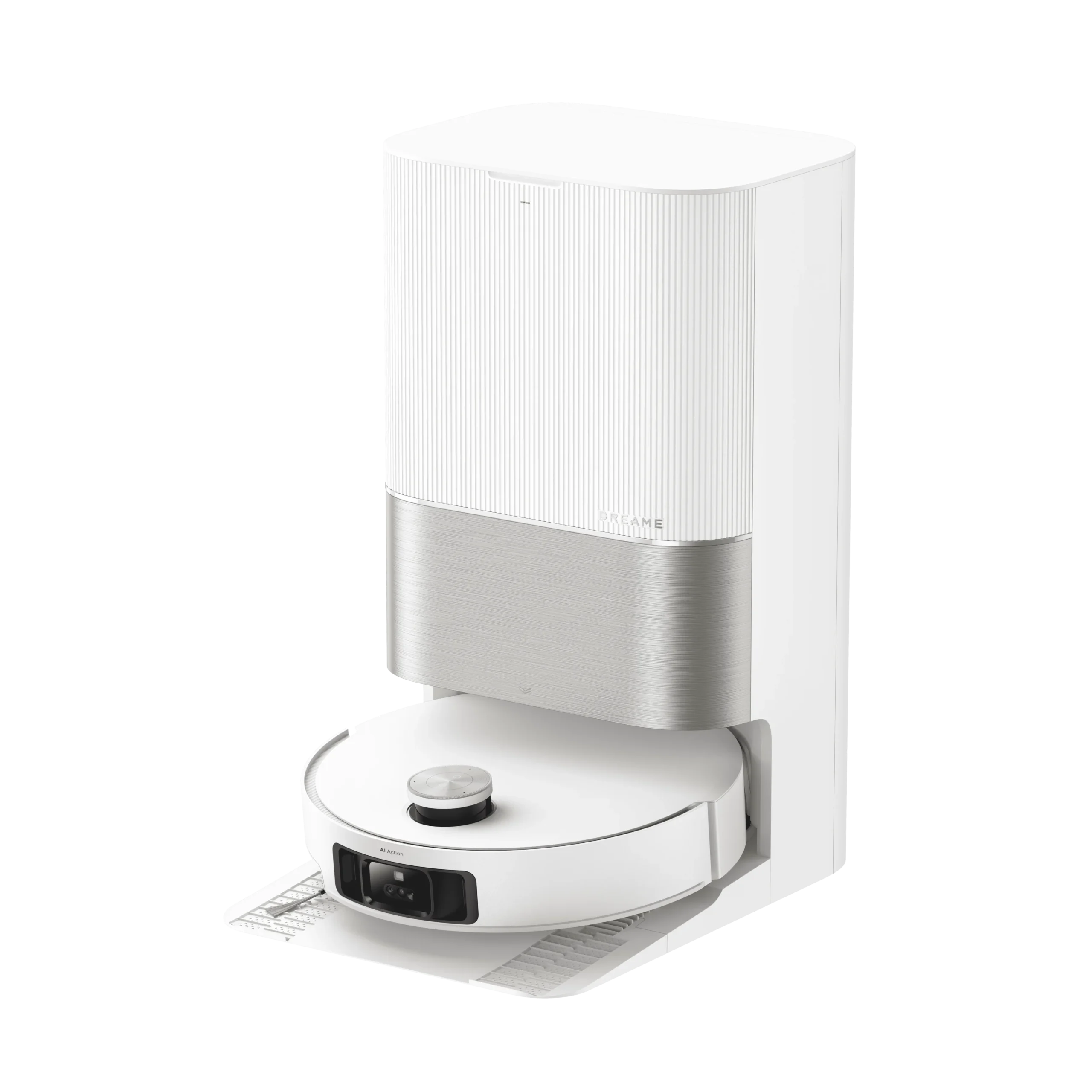
Dreame X50 Ultra
Retractable legs, a lowering LiDAR tower, 20,000 Pa suction, and a highly automated dock help it clean places that stop many robots.
Check Price on AmazonPositives
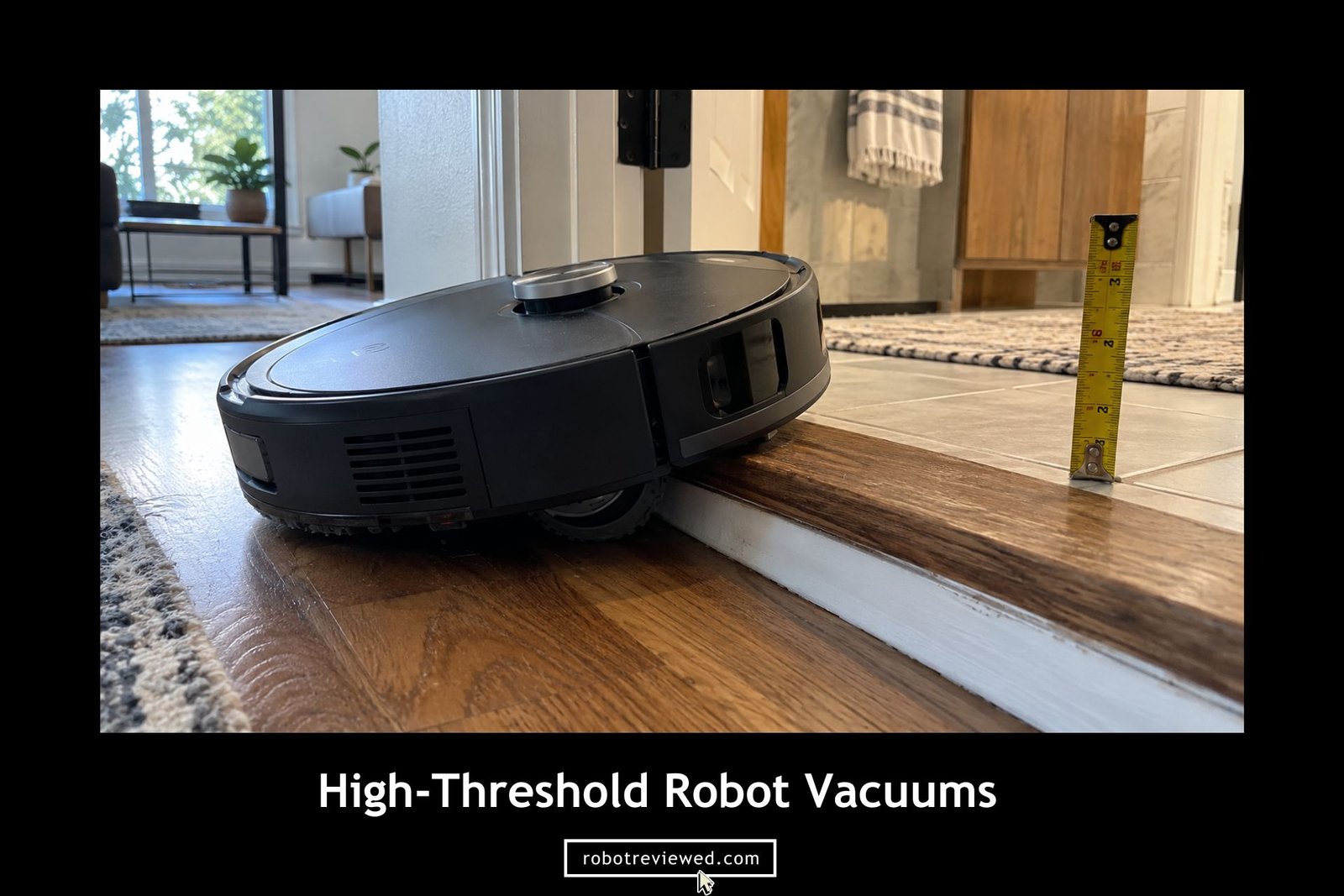
- ProLeap legs cross a 1.65-inch single step or a 2.36-inch two-part step.
- The 20,000 Pa motor works with two rollers for strong carpet pickup.
- Its LiDAR tower drops down to make the robot only 3.5 inches high.
- AI vision can identify up to 200 types of household objects.
- A 6,400 mAh battery supports up to 220 minutes in Quiet mode.
Negatives
- The dock needs a wide and tall open space.
- Its camera may not suit buyers who want camera-free mapping.
- The premium price is hard to justify in a simple one-floor home.
- Its 20,000 Pa rating is below the L40 Ultra Gen 2’s 25,000 Pa figure.
Why Is It Best?
The Dreame X50 Ultra is the best high-power choice for a difficult floor plan. Its 20,000 Pa suction and HyperStream DuoBrush pull dirt and hair toward the center inlet. However, the more important feature is movement. ProLeap raises the small front legs so the robot can cross door tracks and two-level thresholds that stop normal wheels.
VersaLift lowers the LiDAR tower when the robot enters a low space. Its height drops to 3.5 inches, yet the robot can still map and use its camera to avoid objects. The AI RGB camera and 3D structured light recognize items such as shoes, cables, and pet waste. An extending side brush and extending mop reach farther into corners.
Raw suction alone does not make the X50 the strongest number in this list. The L40 Ultra Gen 2 is rated at 25,000 Pa. The X50 earns this place through its full mix of suction, two rollers, obstacle crossing, low-furniture reach, and detailed object detection.
Self-Emptying Dock Performance
The PowerDock moves dry dirt into a 3.2-liter bag that Dreame rates for up to 100 days. Real time will be shorter in homes with pets. It also washes the mops with water up to 176°F, dries them with hot air, refills water and cleaning solution, and uses the AceClean DryBoard to rinse its wash area with less hand cleaning.
Specs & Configurations
- Maximum suction
- 20,000 Pa Vormax.
- Main brush
- HyperStream detangling dual-roller system.
- Edge cleaning
- Extendable side brush and MopExtend edge mop.
- Navigation
- Retractable VersaLift DToF LiDAR.
- Object avoidance
- AI RGB camera and 3D structured light; up to 200 object types.
- Obstacle crossing
- Up to 1.65 inches on one step or 2.36 inches across two steps.
- Battery and runtime
- 6,400 mAh; up to 220 minutes in Quiet mode.
- Robot dust box
- 395 ml.
- Dock dust bag
- 3.2 liters; rated for up to 100 days.
- Water tanks
- 4.5-liter clean tank and 4.0-liter used-water tank.
- Mop care
- Up to 176°F hot-water washing and hot-air drying.
- Robot height
- 3.5 inches with the sensor down; 4.37 inches with it raised.
Best For
The X50 Ultra fits homes with tall door tracks, uneven room entries, low furniture, and many floor items. It also works well for pets because the dual rollers control hair and the camera can spot solid pet waste. Large homes can make good use of its long battery and large water tanks.
Who Should Buy It
- Pick it when normal robot wheels cannot cross your room thresholds.
- Low sofas and beds make the retractable LiDAR system useful.
- Busy pet homes gain better cable, toy, and waste detection.
- Large layouts benefit from the 6,400 mAh battery and 220-minute claim.
Who Should Skip It
- A small apartment does not need this much dock or hardware.
- Camera-free buyers should choose a LiDAR-only model.
- Flat homes with low thresholds can save money with the QV 35A.
- Anyone buying only by the highest Pa number should note the L40 Gen 2 is rated higher.
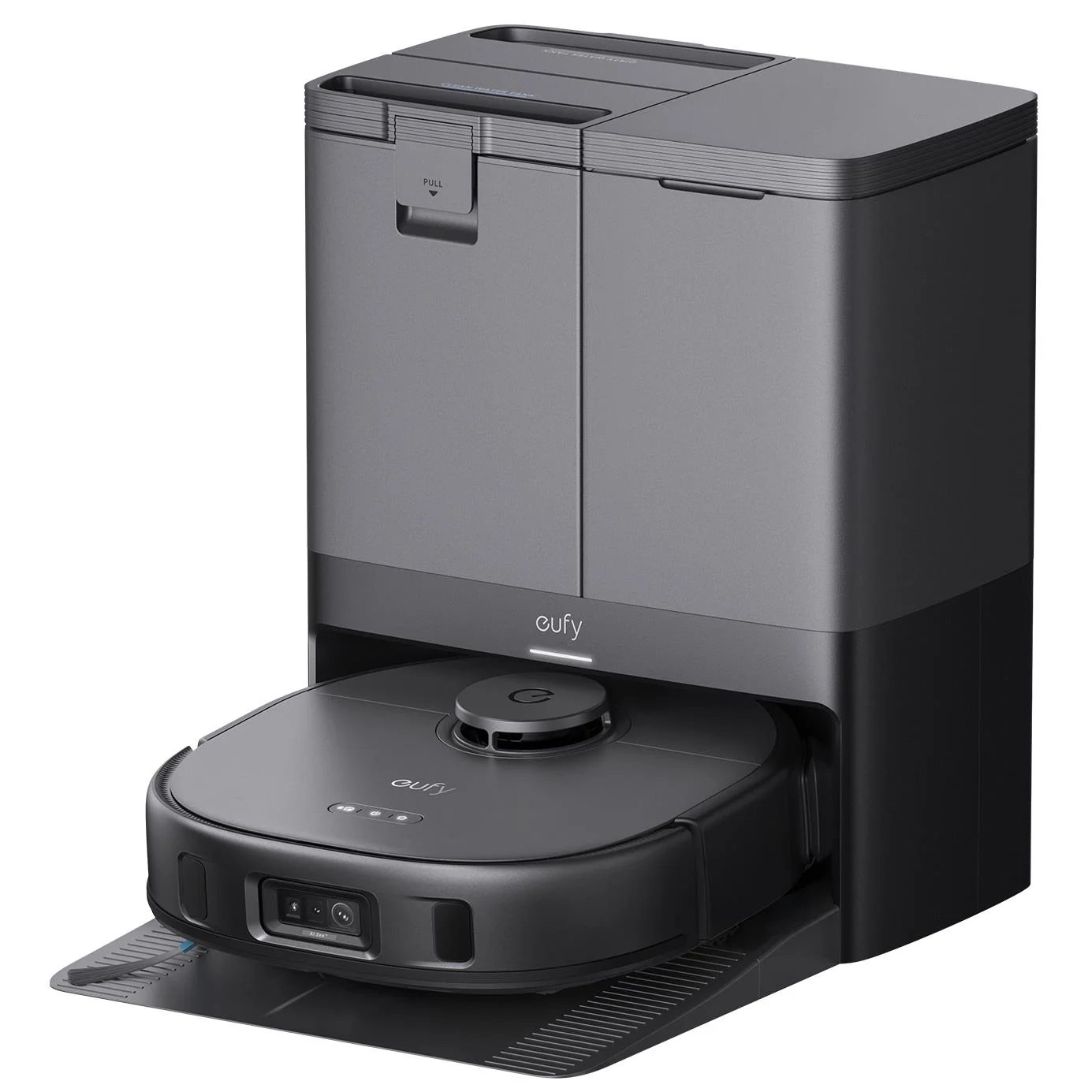
eufy X10 Pro Omni
An 8,000 Pa motor, pet-hair comb, strong mopping pressure, and useful object detection make it a practical choice for homes with pets.
Check Price on AmazonPositives
- The 8,000 Pa suction lifts fur and fine dirt from carpet.
- A Pro-Detangle comb removes wrapped hair from the roller.
- AI.See helps avoid pet waste, shoes, toys, and cables.
- Dual mops use 1 kg of pressure and spin at 180 RPM.
- The high-efficiency filter catches particles as small as 0.3 micron.
Negatives
- Two-pet homes may fill the dock bag in about 30 days.
- The 4.47-inch robot may not fit under low furniture.
- Its RGB camera may concern buyers who prefer camera-free navigation.
- The wash tray still needs regular manual rinsing.
Why Is It Best?
The eufy X10 Pro Omni is one of the best self-emptying robot vacuums for pet hair because it manages fur at several points. Its 8,000 Pa suction pulls loose hair from hard floors and carpet. The floating roller uses rubber and bristles to stay close to the surface, while a comb inside the robot loosens hair from the brush after cleaning.
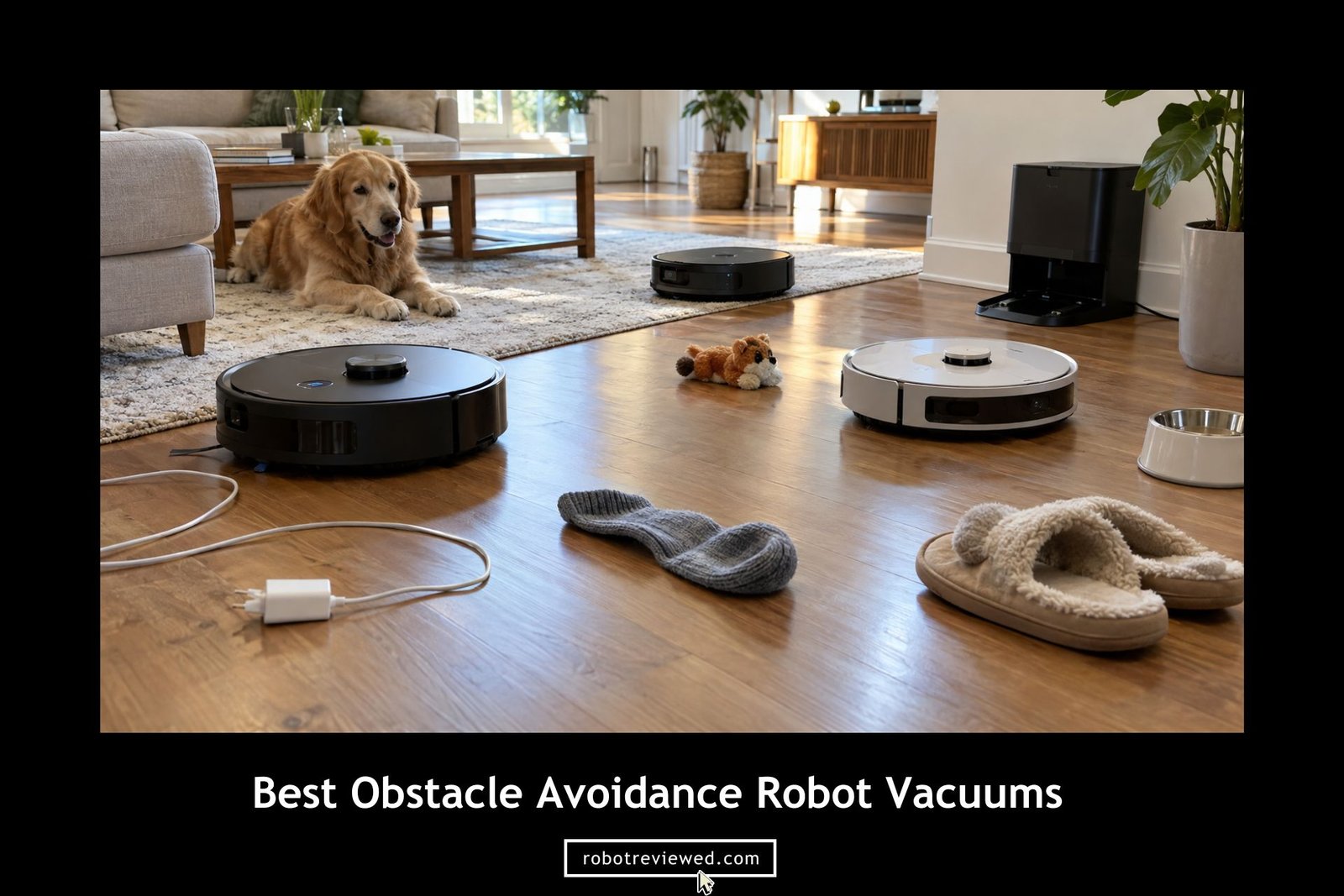
Pet homes also have toys, bowls, cords, and the risk of an accident on the floor. AI.See uses an RGB camera and LED light to recognize more than 100 types of objects, including solid pet waste. This gives the X10 a better chance of finishing a run without getting stuck or spreading a mess.
Mopping is more than a light wipe. Two pads spin at 180 RPM and press down with about 1 kg of force. They rise 12 mm over carpet. The X10 is not the newest Omni model, but its useful pet features and mature price make it a strong buy.
Self-Emptying Dock Performance
The station sends dirt into a sealed 2.5-liter antibacterial bag. Eufy rates it for 60 days in a three-person home without pets, about 45 days with one pet, and about 30 days with two pets. The dock also washes the mops, refills the robot, and dries the pads with 113°F heated air. Its clean-water tank holds 3 liters.
Specs & Configurations
- Maximum suction
- 8,000 Pa.
- Main brush
- Floating rubber-and-bristle roller with Pro-Detangle comb.
- Mopping
- Two rotating pads, 180 RPM, and about 1 kg of pressure.
- Mop lift
- 12 mm, or about 0.47 inch.
- Navigation
- iPath laser mapping with AI.Map controls.
- Object avoidance
- AI.See RGB camera, LED light, and object recognition.
- Dock dust bag
- 2.5 liters; up to 60 days without pets.
- Clean-water tank
- 3 liters.
- Mop drying
- Heated air at 113°F, or 45°C.
- Battery
- 5,200 mAh lithium-ion battery.
- Robot size
- About 12.87 × 13.90 × 4.47 inches.
- Station size
- About 14.41 × 18.90 × 18.11 inches.
Best For
This eufy works best in a pet home with hard floors, rugs, and normal carpet. The object camera gives it an advantage in rooms where toys and cables often stay on the floor. It also suits anyone who wants stronger scrubbing without paying for a new flagship model.
Who Should Buy It
- Pet owners get suction, brush detangling, and useful waste detection.
- Homes with dried marks will benefit from the high-pressure spinning mops.
- Carpet and hard-floor layouts suit its 12 mm mop lift.
- Allergy-aware buyers may value the robot’s 0.3-micron high-efficiency filter.
Who Should Skip It
- Very low beds and sofas may block the tall robot body.
- Camera-free households should pick a LiDAR-only Roborock.
- Heavy shedding can reduce the claimed 60-day bag life by half.
- Buyers wanting hot-water mop washing need a newer premium dock.
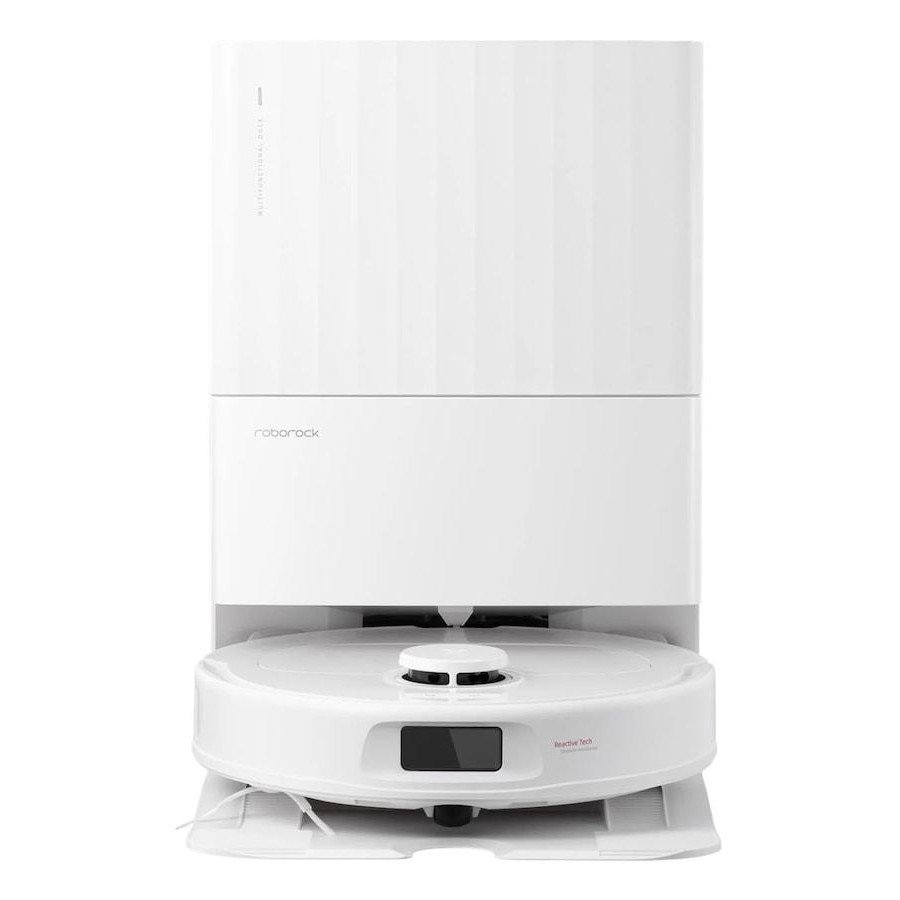
Roborock Qrevo S
A simple rubber brush, 7,000 Pa suction, carpet boost, and proven LiDAR mapping make this older Qrevo easy to trust on mixed floors.
Check Price on AmazonPositives
- The 7,000 Pa suction and rubber brush clean common carpet well.
- Automatic carpet boost raises power when the robot reaches a rug.
- Its mop pads lift 10 mm to keep short carpet drier.
- LiDAR maps rooms quickly and follows neat cleaning lines.
- The dock covers dust emptying, mop washing, drying, and water refill.
Negatives
- The rubber brush can still collect long hair at its ends.
- Reactive Tech may miss thin cables and very small toys.
- A 10 mm mop lift is not enough for thick or shag carpet.
- The round mop pads leave a small dry line beside some walls.
Why Is It Best?
The Roborock Qrevo S is a reliable carpet choice because it uses a simple cleaning system that has been sold for several years. Its 7,000 Pa motor is not the largest number here, but the floating all-rubber brush stays close to carpet and does not hold as much hair as a thick bristle roll. Carpet Boost can raise suction without making you set a separate power level for every room.
The robot detects carpet and lifts both mop pads by 10 mm. You can also tell it to avoid certain carpets, cross them without cleaning, or vacuum carpet before the mops get wet. These controls matter more than a high suction number in a mixed-floor home.
PreciSense LiDAR gives the Qrevo S steady room mapping without an indoor camera. The dock handles the daily dirty work, and the Roborock app offers room order, suction, water flow, no-go zones, and saved maps. Its obstacle system is basic, but the main vacuum, map, and dock functions are easy to understand.
Self-Emptying Dock Performance
The Qrevo S returns to its dock and sends dry dirt into a 2.7-liter disposable bag. Light-use homes can go up to about seven weeks, though carpet lint and pet hair shorten that time. The dock also washes both mop pads, dries them with warm air, and refills the onboard water tank. Its removable wash base makes routine cleaning simpler.
Specs & Configurations
- Maximum suction
- 7,000 Pa HyperForce.
- Main brush
- Floating all-rubber roller.
- Mopping
- Two spinning mop pads at up to 200 RPM.
- Mop lift
- 10 mm, or about 0.4 inch.
- Carpet settings
- Carpet Boost plus avoid, cross, or vacuum-first choices.
- Navigation
- PreciSense LiDAR with saved multi-floor maps.
- Obstacle system
- Reactive Tech structured-light avoidance.
- Robot dustbin
- About 330 ml.
- Dock dust bag
- 2.7 liters; up to about seven weeks.
- Battery and runtime
- 5,200 mAh; up to 180 minutes in Quiet mode.
- Dock functions
- Auto-empty, mop wash, warm-air dry, and water refill.
- Wi-Fi
- 2.4 GHz only.
Best For
The Qrevo S makes sense for a home with low- or medium-pile carpet plus hard-floor rooms. It is a good fit when you want camera-free mapping and clear carpet rules in the app. Buyers who value a proven model over the newest suction claim should also consider it.
Who Should Buy It
- Mixed-floor homes can set a different plan for each carpet.
- Privacy-focused users get LiDAR mapping without an RGB camera.
- Regular schedules suit its stable mapping and complete dock.
- Sale buyers may get strong value from this older Qrevo model.
Who Should Skip It
- Shag rugs are too tall for the 10 mm mop lift.
- Cluttered floors need better cable and toy detection.
- Long-hair homes may prefer the DuoDivide brush on the S5V.
- Edge-focused mopping is stronger on models with an extending pad.
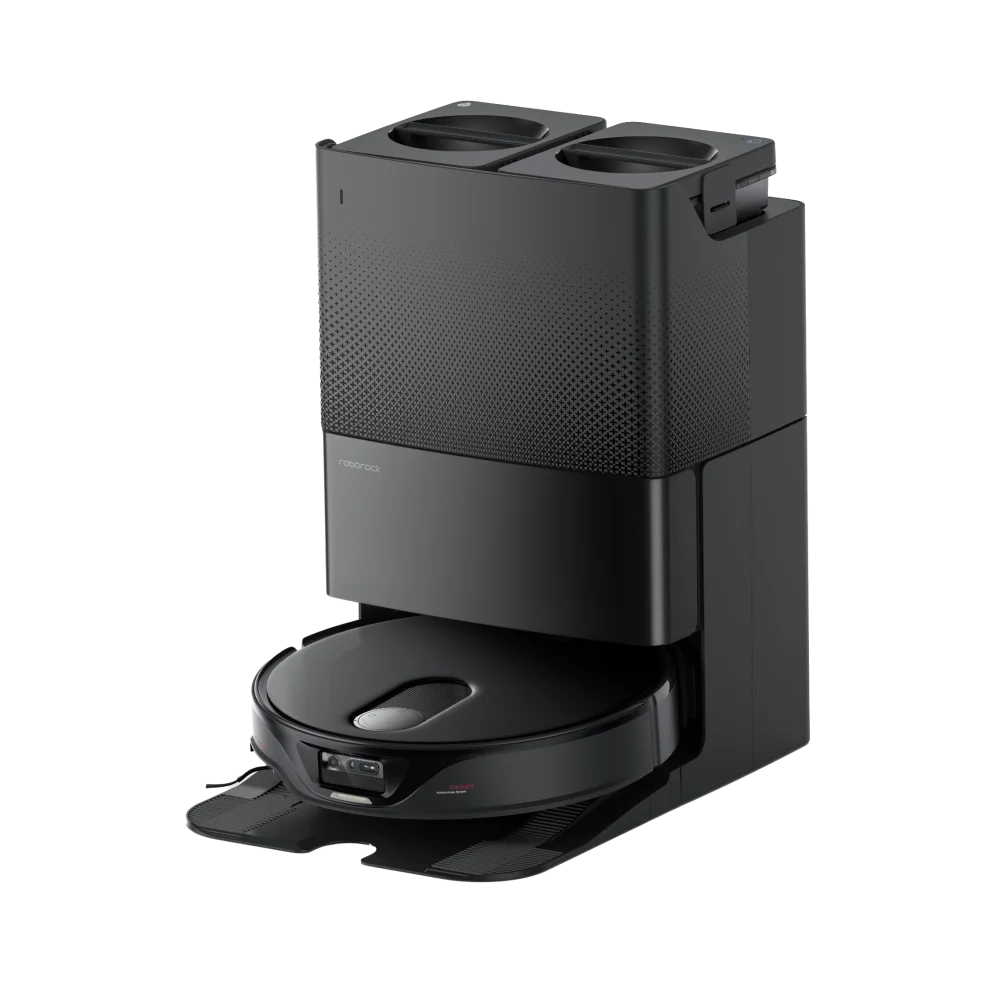
Roborock Qrevo S5V
Fine water control, an extending edge mop, 12,000 Pa suction, and anti-tangle rollers make it especially useful on wide hard-floor areas.
Check Price on AmazonPositives
- Thirty water-flow levels help protect different sealed hard floors.
- The FlexiArm mop moves outward along walls and furniture legs.
- A 12,000 Pa motor lifts dust from wood-floor seams.
- DuoDivide rollers guide long hair into the center intake.
- Warm-air drying helps stop damp mop odor after a run.
Negatives
- The dock washes mops with room-temperature water.
- Structured-light avoidance is weaker than a good AI camera on cables.
- Disposable 2.7-liter bags create an extra cost.
- Unsealed or waxed wood still needs a very low water setting.
Why Is It Best?
The Roborock Qrevo S5V is a strong self-empty robot vacuum for hardwood floors because it controls dry dirt, hair, water, and edges in one run. Its 12,000 Pa suction pulls fine dust from gaps between boards. The DuoDivide main brush uses two short rollers that move hair toward the center opening, so long strands are less likely to wrap across one full brush.
Hard-floor mopping needs control. The app gives you 30 water-flow levels, and two pads spin at up to 200 RPM. A FlexiArm mop moves out near baseboards and around legs, where fixed round pads often leave a narrow dirty line. The robot raises the mops by 10 mm when carpet is found.
The S5V cannot make an unsafe wood floor water-safe. You should use a low setting on sealed hardwood and avoid wet cleaning on unsealed boards. For suitable floors, its strong dry pickup, careful water control, edge reach, and full dock make it one of the best self-empty robot vacuum cleaner choices in this group.
Self-Emptying Dock Performance
The dock empties the robot into an E12-rated 2.7-liter bag and can hold up to seven weeks of normal debris. It washes the two mop pads in stages, dries them with warm air, and refills the small water tank inside the robot. The wash base comes out fully, so trapped hair and dirty water marks are easier to remove.
Specs & Configurations
- Maximum suction
- 12,000 Pa HyperForce.
- Main brush
- DuoDivide twin short-roller design.
- Hair control
- Triple Anti-Tangle System for the main and side-brush area.
- Mopping
- Dual spinning pads at up to 200 RPM.
- Edge mopping
- FlexiArm pad extends beside walls and around furniture.
- Water control
- 30 app-adjustable flow levels.
- Mop lift
- 10 mm, or about 0.4 inch.
- Navigation
- PreciSense LiDAR and Reactive Tech obstacle avoidance.
- Dock dust bag
- 2.7-liter E12-rated bag; up to seven weeks.
- Dock functions
- Auto-empty, mop wash, warm-air dry, and water refill.
- Battery
- 5,200 mAh lithium-ion battery.
- Wi-Fi
- 2.4 GHz only.
Best For
The S5V is best for large areas of sealed hardwood, laminate, vinyl, or tile. Long-hair and pet homes can use its DuoDivide rollers and anti-tangle side brush. It also fits layouts where baseboard and table-leg mopping matter more than camera-based object recognition.
Who Should Buy It
- Hard-floor homes gain precise water control and edge reach.
- Long hair is easier to manage with the split main rollers.
- Room-by-room app users can set different suction and water levels.
- Camera-free mapping makes sense for privacy-focused buyers.
Who Should Skip It
- Do not wet-mop unsealed or water-sensitive wood.
- Loose-cable homes need a better vision-based obstacle system.
- Hot-water dock shoppers should choose a higher Roborock or Dreame.
- Deep shag carpet is not a good match for its 10 mm mop lift.
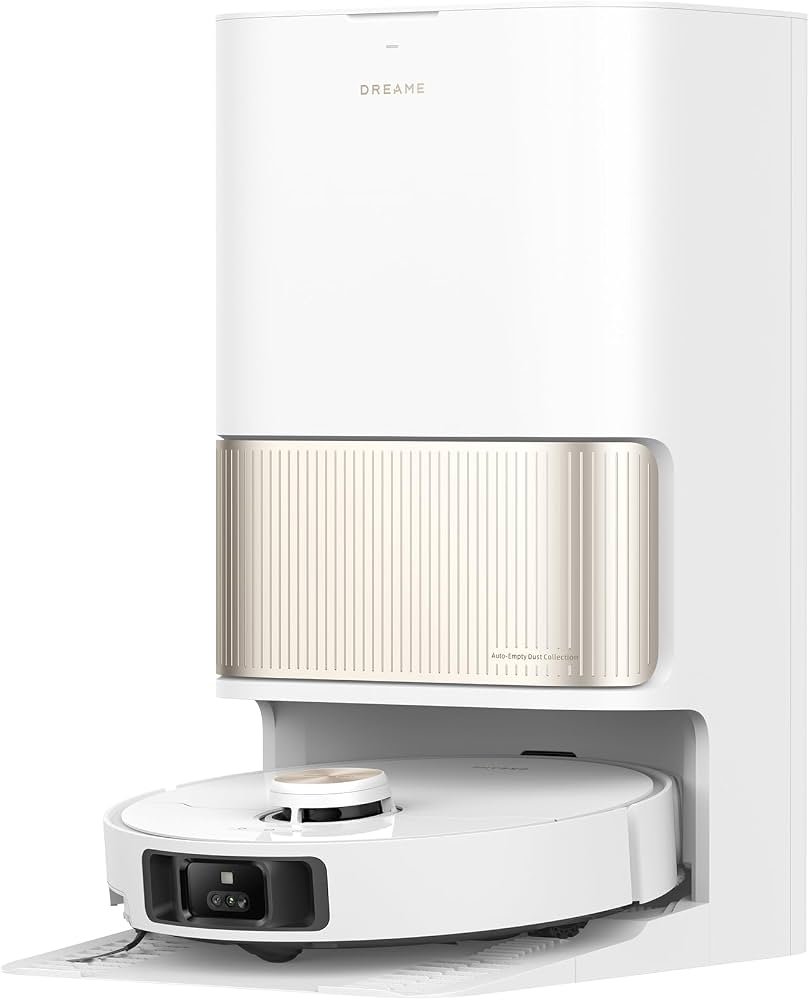
Dreame L40 Ultra Gen 2
The highest published suction in this list, two extending cleaning arms, long battery life, and a full cleaning dock make it a complete vacuum-and-mop system.
Check Price on AmazonPositives
- Its 25,000 Pa rating is the highest published suction in this top 10.
- The side brush and one mop pad extend for better edge cleaning.
- Dual rotating mops lift 10.5 mm when carpet is found.
- A 5,200 mAh battery runs up to 231 minutes in a light vacuum mode.
- The dock can hold dry debris for up to 100 days.
Negatives
- The TriCut 2.0 hair-cutting brush is an optional extra.
- Its 3D laser system may miss thin cords and flat items.
- The large dock needs almost two feet of height.
- Thick carpet may still touch the 10.5 mm raised mops.
Why Is It Best?
The Dreame L40 Ultra Gen 2 is the best self-emptying robot vacuum and mop combo here because both cleaning jobs get serious hardware. Its 25,000 Pa Vormax rating is the highest published suction number among these ten products. A rubber roller handles everyday hair and dirt, while carpet boost adds power where fine dust can hide.
Two Flex Arms solve a common round-robot problem. The side brush reaches into corners, and the MopExtend pad swings out beside baseboards and furniture. Both mop pads spin to scrub hard floors and rise 10.5 mm over detected carpet. You can choose carpet avoidance when a rug is too thick for that lift.
The 5,200 mAh battery reaches up to 231 minutes in Vacuum Only mode with Quiet suction. That claim will fall with strong suction and mopping, but it still gives the L40 enough range for a large layout. Its 3DAdapt laser system avoids normal room items without using an RGB camera, and the dock finishes the main care tasks after each run.
Self-Emptying Dock Performance
The dock pulls dirt into a 3.2-liter bag and is rated for up to 100 days between bag changes. Hairy homes will fill it sooner. It also washes the mop pads with hot water, dries them with warm air, refills the robot, and rinses its AceClean DryBoard. The clean- and used-water tanks hold 4.5 and 4.0 liters.
Specs & Configurations
- Maximum suction
- 25,000 Pa Vormax.
- Main brush
- Standard rubber roller; optional TriCut Brush 2.0 is sold separately.
- Edge cleaning
- SideReach extending brush and MopExtend swing-out mop.
- Mopping
- Two rotating Omni-Scrub mop pads.
- Mop lift
- 10.5 mm, or about 0.41 inch.
- Navigation
- LDS mapping with 3DAdapt structured-light avoidance.
- Battery and runtime
- 5,200 mAh; up to 231 minutes in Vacuum Only Quiet mode.
- Robot dust box
- 250 ml.
- Dock dust bag
- 3.2 liters; rated for up to 100 days.
- Water tanks
- 4.5-liter clean tank and 4.0-liter used-water tank.
- Threshold height
- Up to 0.79 inch, or 2 cm.
- Robot size
- About 13.78 × 13.78 × 3.82 inches.
Best For
The L40 Ultra Gen 2 is best for a large home with pets, hard floors, rugs, and regular edge dirt. It works well when you want strong dry pickup and active floor scrubbing from one robot. Camera-free buyers may also prefer its laser-based object system over an RGB camera.
Who Should Buy It
- Choose it for the strongest published Pa rating in this group.
- Baseboard dirt calls for its extending brush and mop arms.
- Large homes can use the long battery and big dock tanks.
- Mixed floors benefit from carpet boost and automatic mop lifting.
Who Should Skip It
- Small apartments can get the same basic jobs from a cheaper model.
- Cable-heavy rooms need a stronger camera-based object system.
- Buyers expecting the TriCut brush in the box may face an extra cost.
- Deep carpet homes should not rely only on a 10.5 mm mop lift.
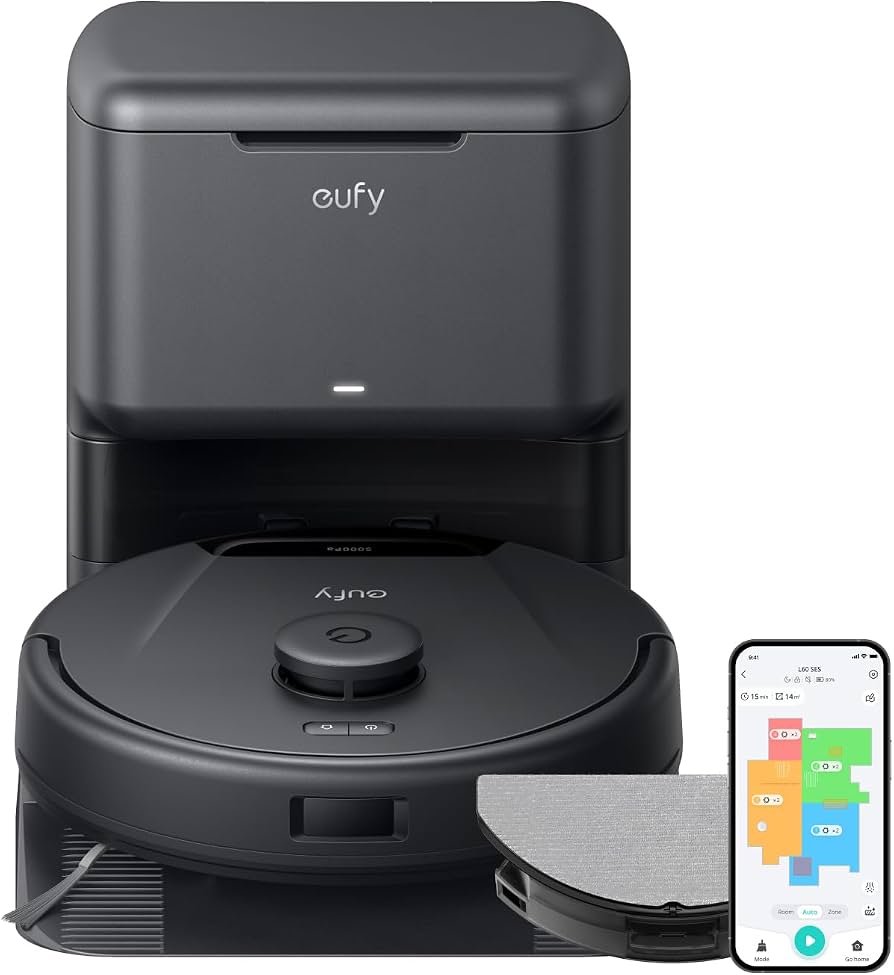
eufy L60 with Self-Empty Station
This simple vacuum-only model keeps the useful parts—5,000 Pa suction, LiDAR mapping, hair cutting, and a large dock bag—at a lower price.
Check Price on AmazonPositives
- The 5,000 Pa motor is strong for an entry-price robot.
- Dock blades cut wrapped hair before the bin is emptied.
- A 2.5-liter bag can hold up to 60 days of normal debris.
- LiDAR builds maps and supports rooms, no-go zones, and several floors.
- The 350 ml onboard bin is useful for a low-cost model.
Negatives
- This L60 version cannot mop floors.
- Small cords and flat items can pass below its basic sensors.
- The 2,600 mAh battery is smaller than most premium robot batteries.
- Eufy has discontinued the L60 line, so new stock can vary.
Why Is It Best?
The eufy L60 is the cheapest self-emptying robot vacuum cleaner in this list, yet it does not give up the most useful vacuum features. The robot reaches 5,000 Pa, which is enough for dust, crumbs, litter, and loose hair on hard floors and low carpet. BoostIQ raises suction when the floor needs more power.
Its iPath LiDAR scans the room and follows planned rows instead of moving at random. In the app, you can name rooms, choose one area, create no-go zones, and save maps for more than one floor. The 350 ml bin also gives it enough space to finish normal jobs before the station empties it.
The station has a feature that many cheap docks lack. Small blades cut hair wrapped around the brush, then 17,000 Pa dock suction moves the pieces and other dirt into a 2.5-liter bag. Eufy has now discontinued the L60, so buy only when Amazon has new stock at a clear budget price.
Self-Emptying Dock Performance
The station uses up to 17,000 Pa of suction to clear the robot’s 350 ml bin. Dust moves into a 2.5-liter sealed bag that can last up to 60 days in light use. Its hair-detangling blades also cut strands wrapped around the roller. The dock does not wash mops, hold water, or dry pads because this L60 is vacuum-only.
Specs & Configurations
- Maximum suction
- 5,000 Pa.
- Dock suction
- Up to 17,000 Pa during bin emptying.
- Main brush
- Bristled roller with station-based hair cutting.
- Mopping
- No; this T2277 model is vacuum-only.
- Navigation
- iPath LiDAR with AI.Map 2.0 controls.
- Object sensing
- Laser mapping and basic infrared sensors.
- Robot dustbin
- 350 ml.
- Dock dust bag
- 2.5 liters; up to 60 days.
- Battery
- 2,600 mAh lithium-ion battery.
- Climbing height
- Up to 20 mm, or 0.79 inch.
- App features
- Room cleaning, no-go zones, schedules, and multi-floor maps.
- Voice control
- Amazon Alexa and Google Assistant.
Best For
The L60 is best for a budget buyer who wants automatic vacuum-bin emptying but does not need mopping. It fits apartments and small homes with hard floors, low rugs, and normal carpet. Long-hair users may also like the cutting system in the station.
Who Should Buy It
- Budget shoppers get LiDAR and self-emptying without an Omni dock price.
- Hard-floor homes can use its 5,000 Pa suction for daily dirt.
- Long-hair users may spend less time cutting the roller by hand.
- Vacuum-only buyers avoid paying for mop tanks and wash parts.
Who Should Skip It
- Anyone who needs mopping should choose the L60 Hybrid or another model.
- Cluttered rooms with cords need better object avoidance.
- Large homes may find the smaller battery limiting.
- Buyers who want a current eufy line should avoid discontinued stock.
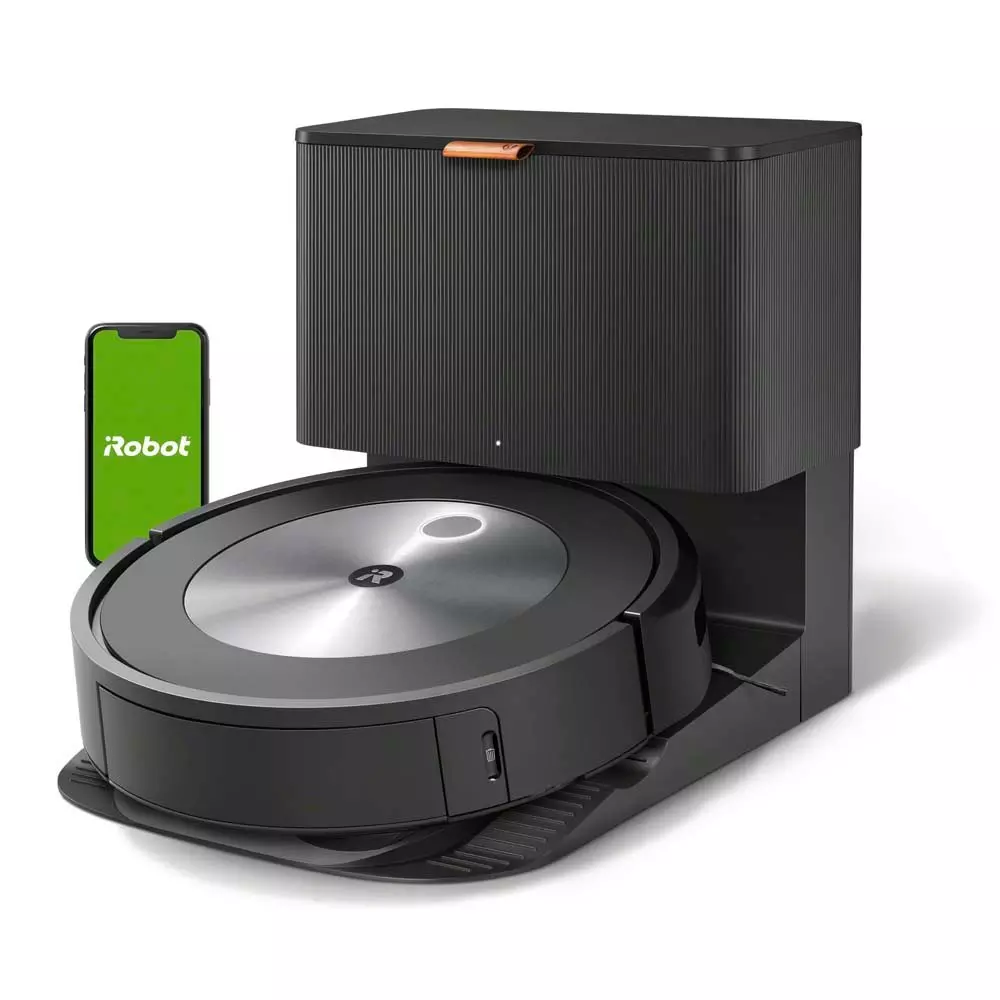
iRobot Roomba j7+
A well-known brand, dual rubber rollers, strong pet-waste avoidance, and an enclosed Clean Base make this older Roomba easy to understand.
Check Price on AmazonPositives
- PrecisionVision recognizes cords, shoes, socks, and solid pet waste.
- Two rubber rollers stay in contact with different floor types.
- The sealed dock bag holds about 60 days of dry dirt.
- Imprint Smart Mapping supports rooms and small Clean Zones.
- iRobot backs the model with established phone and email support.
Negatives
- It is a vacuum only and cannot mop.
- iRobot does not publish a Pa suction figure.
- Camera mapping can be slower than modern LiDAR in low light.
- The Clean Base requires ongoing disposable bag purchases.
Why Is It Best?
The iRobot Roomba j7+ earns this brand-trust place because the design focuses on a few jobs and has years of owner use behind it. iRobot says it has supported home robots for more than 30 years. The j7+ also comes from the period when Roomba made object avoidance much more useful for pet homes.
PrecisionVision sees common floor items such as shoes, socks, charging cords, and solid cat or dog waste. When it finds an item, the app can show you a photo and ask how the robot should treat it next time. The one-year P.O.O.P. promise also covers replacement after certain solid pet-waste accidents, subject to iRobot’s terms.
Cleaning hardware stays simple. Two rubber rollers adjust to carpet and hard floors, while Dirt Detect sends the robot back over dirtier areas. The j7+ lacks the suction numbers, LiDAR, and mopping tools found on newer rivals. It remains a sensible choice when proven pet avoidance and familiar support matter more than the latest feature list.
Self-Emptying Dock Performance
The Clean Base pulls dirt from the Roomba into an enclosed disposable bag. iRobot says one bag can hold up to 60 days of debris and capture 99% of pollen and mold. Actual bag life depends on floor size, pets, and run schedule. The closed bag is cleaner to remove than an open bin, but new bags create an ongoing cost.
Specs & Configurations
- Cleaning system
- Three-stage vacuuming with dual multi-surface rubber rollers.
- Suction rating
- iRobot does not publish a Pa figure.
- Mopping
- No; the j7+ is a vacuum-only robot.
- Navigation
- Camera-based PrecisionVision and Imprint Smart Mapping.
- Object avoidance
- Recognizes items such as cords, shoes, socks, and solid pet waste.
- Dock capacity
- Enclosed bag rated for up to 60 days.
- Bag filtration
- Captures 99% of pollen and mold, according to iRobot.
- Robot size
- 13.3 inches wide and 3.4 inches high.
- Robot weight
- 7.49 pounds.
- Clean Base size
- 15.7 inches wide, 11.9 inches deep, and 13.3 inches high.
- Voice control
- Amazon Alexa and Google Assistant.
- Battery
- Lithium-ion; recharge-and-resume support.
Best For
The Roomba j7+ is best for pet owners who worry about solid accidents, cords, socks, and other small items. It suits people who want a vacuum-only robot from a long-established brand. Existing iRobot users may also prefer its familiar app and support system.
Who Should Buy It
- Pet homes gain one of this model’s clearest safety features.
- Brand-focused buyers get an established parts and support network.
- Carpet homes may like the two flexible rubber rollers.
- Bagged disposal suits people who do not want to dump an open base bin.
Who Should Skip It
- Hard-floor buyers needing a mop should choose a combo robot.
- Value shoppers can get stronger published specs for less money.
- Camera-free homes should look at a LiDAR-only Roborock.
- People avoiding replacement bags should choose a bagless Shark base.
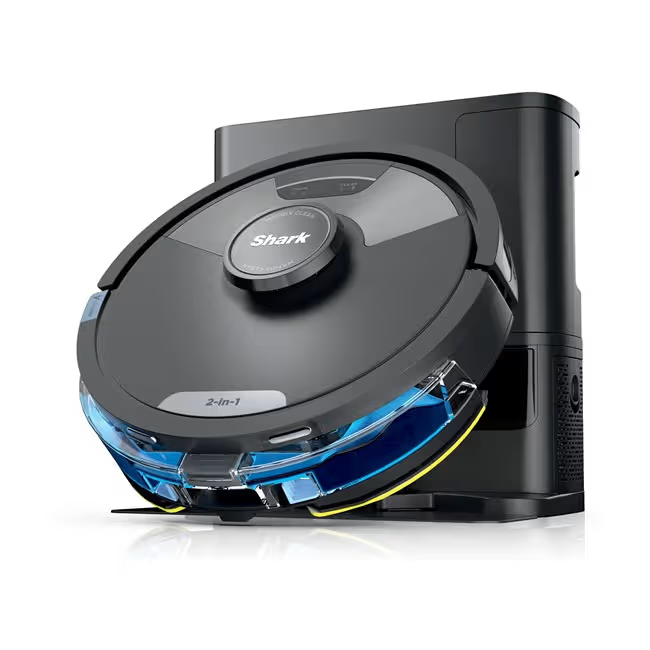
Shark Matrix Plus 2-in-1 AV2630WA
A reusable 45-day base bin, True HEPA filtration, sonic mopping, and planned LiDAR cleaning remove the need to keep buying dock bags.
Check Price on AmazonPositives
- The reusable base bin removes the cost of disposable dust bags.
- True HEPA filtration traps 99.97% of particles down to 0.3 micron.
- Sonic Mopping scrubs hard floors 100 times each minute.
- Matrix Clean makes several passes from different directions.
- CleanEdge sends air toward walls to pull debris into its path.
Negatives
- Opening the bagless bin can release some dust into the air.
- The dock does not wash, refill, or dry the mop pad.
- Shark does not give this model a Pa suction figure.
- You must handle the mop tank and pad after wet cleaning.
Why Is It Best?
The Shark Matrix Plus 2-in-1 AV2630WA is the best bagless robot vacuum with a self-emptying base in this group. Dry dirt moves into a reusable dock bin, so you do not need to buy and store replacement bags. Shark rates the bin for up to 45 days, and a True HEPA filter with an anti-allergen seal traps 99.97% of dust and allergens down to 0.3 micron inside the base.
It also vacuums and mops. Matrix Clean sends the robot over an area from more than one direction instead of relying on one pass. Shark reports 30% better carpet cleaning than its own RV2610WD single-pass test. CleanEdge blows edge dirt toward the main brush, while the self-cleaning roller helps control pet hair.
For hard floors, the sonic pad moves 100 times per minute. Matrix Mop can make extra passes through a selected stain zone. This system needs more hand care than an Omni dock, but it gives you strong dry and wet features without a recurring dock-bag cost.
Self-Emptying Dock Performance
The XL base removes dry dirt from the robot and stores up to 45 days of debris in a reusable bin. Its sealed True HEPA system captures 99.97% of particles down to 0.3 micron. You lift out and dump the bin when full, so there is no bag cost. The dock charges the robot and supports Recharge and Resume, but it does not service the mop.
Specs & Configurations
- Model
- AV2630WA in Black/Mocha Silver.
- Suction rating
- Shark does not publish a Pa figure.
- Cleaning pattern
- Matrix Clean grid with several passes.
- Edge cleaning
- CleanEdge Detect uses air to move wall debris inward.
- Mopping
- Sonic pad scrubs 100 times per minute.
- Navigation
- 360-degree LiDAR with Precision Home Mapping.
- Dock type
- Bagless XL self-empty base.
- Dock capacity
- Up to 45 days of dirt and debris.
- Filtration
- True HEPA and anti-allergen seal; 99.97% down to 0.3 micron.
- Battery life
- Up to 110 minutes.
- Listed product size
- 19.29 × 13.39 × 11.81 inches.
- Warranty
- One-year limited warranty.
Best For
This Shark is best for a home that wants bagless dust storage and sonic mopping in one robot. It suits hard floors, low carpet, pets, and owners who do not mind washing a mop pad by hand. It also works well when HEPA filtration matters but replacement dock bags do not fit the budget.
Who Should Buy It
- Bag-free buyers avoid a repeated dust-bag expense.
- Hard-floor homes get active sonic scrubbing, not a passive cloth.
- Pet owners may value the self-cleaning brushroll and sealed base.
- Edge dirt is easier to reach with CleanEdge air flow.
Who Should Skip It
- Severe allergy sufferers may prefer a sealed disposable bag.
- Hands-free mop care requires an Omni-style wash dock.
- High-pile carpet is not the main strength of this 2-in-1 model.
- Buyers who compare robots by Pa cannot do that with Shark’s data.
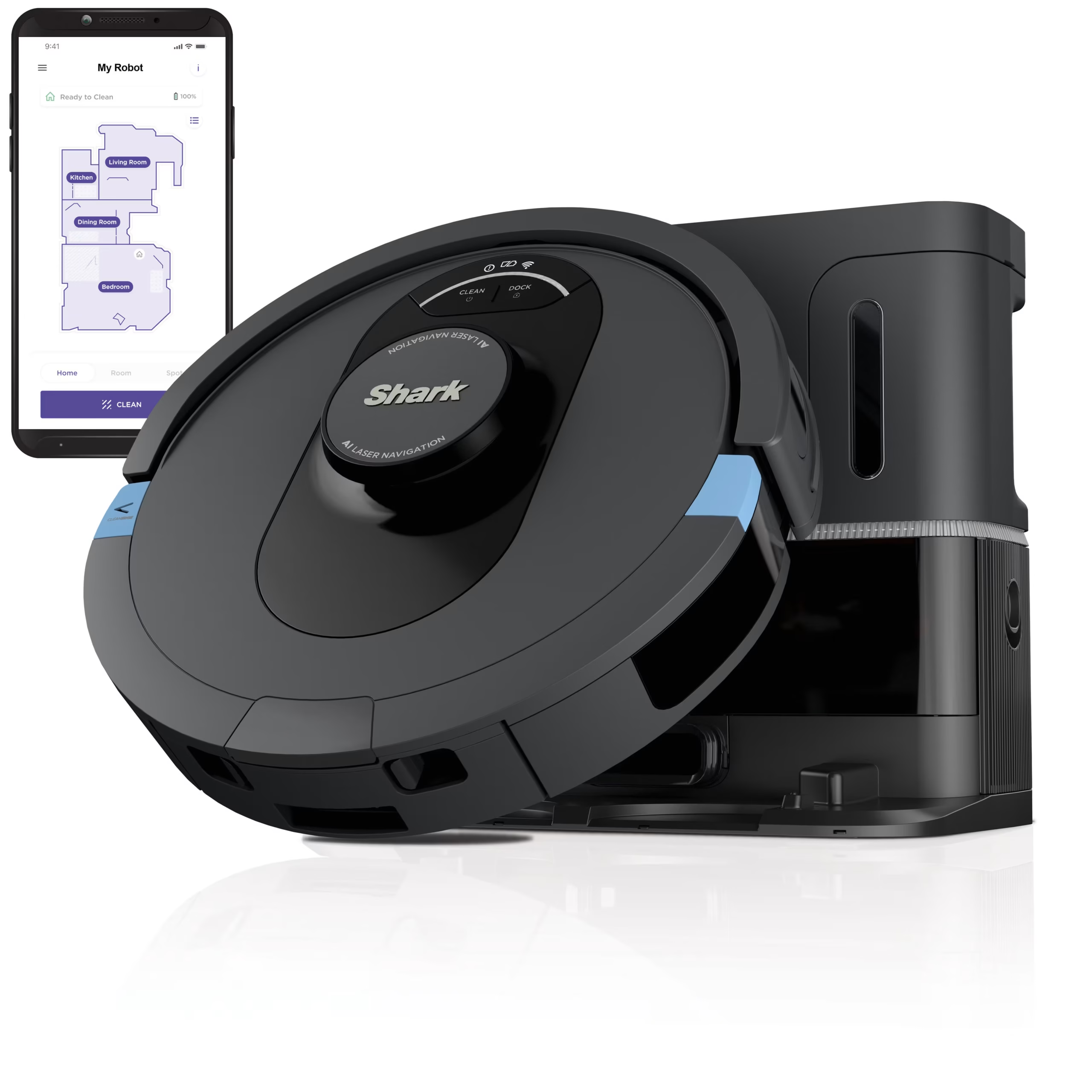
Shark AI Ultra AV2501S
A sealed True HEPA base captures fine dust and allergens during cleaning, while LiDAR mapping and a self-cleaning brushroll support daily pet-hair pickup.
Check Price on AmazonPositives
- True HEPA filtration captures 99.97% of particles down to 0.3 micron.
- The sealed base helps keep collected allergens inside during operation.
- A self-cleaning brushroll handles pet hair with less wrap.
- Matrix Clean makes repeated passes instead of one quick line.
- LiDAR maps rooms and works in daylight or darkness.
Negatives
- Emptying the open bagless bin can expose you to dust.
- This model does not mop hard floors.
- The base holds only about 30 days, not 45 or 60.
- No published Pa rating makes direct suction checks difficult.
Why Is It Best?
The Shark AI Ultra AV2501S is the safest allergy-focused choice here during normal cleaning because its self-empty base uses a True HEPA post-motor filter and an anti-allergen seal. Shark says the system traps 99.97% of dust and allergens down to 0.3 micron. That is a clear filter claim, not a loose use of the word “high-efficiency.”
The robot also helps remove common allergy sources. Its self-cleaning brushroll picks up hair and dander from hard floors and carpet while limiting wrap. Matrix Clean follows a grid and makes several passes over the room. A 360-degree LiDAR sensor builds a map, so you can schedule busy areas and send the robot to selected rooms without moving it by hand.
There is one important limit. The base is bagless. Dust stays sealed while the machine runs, but you must open and dump the base bin later. People with serious dust allergies may be safer with a sealed disposable-bag dock and another person emptying it outdoors.
Self-Emptying Dock Performance
The base automatically pulls dirt from the robot and holds up to 30 days of debris. A True HEPA filter and sealed path trap 99.97% of dust and allergens down to 0.3 micron while the system runs. The bin is reusable and needs no bags. For cleaner disposal, empty it outdoors and wear a well-fitting mask if dust triggers your allergies.
Specs & Configurations
- Model
- AV2501S in Dark Grey.
- Suction rating
- Shark does not publish a Pa figure.
- Main brush
- Self-cleaning brushroll for hair and debris.
- Mopping
- No; this model is vacuum-only.
- Cleaning pattern
- Matrix Clean grid with repeated passes.
- Navigation
- 360-degree LiDAR with Precision Home Mapping.
- Dock type
- Bagless HEPA self-empty base.
- Dock capacity
- Up to 30 days of dirt and debris.
- Filtration
- True HEPA; 99.97% capture down to 0.3 micron.
- Listed product size
- 15.35 × 12.01 × 17.72 inches.
- Voice control
- Amazon Alexa and Google Assistant.
- Warranty
- One-year limited warranty.
Best For
The AV2501S is best for an allergy-aware home that wants a True HEPA self-empty base without buying bags. Pet owners can use its self-cleaning brushroll for daily hair and dander. It also suits carpet-and-hard-floor homes that need vacuuming but not wet mopping.
Who Should Buy It
- Allergy-aware users get a specific True HEPA capture claim.
- Pet homes benefit from daily hair pickup and a self-cleaning roller.
- Bagless buyers can reuse the base bin instead of ordering bags.
- Dark rooms are not a problem for its LiDAR mapping.
Who Should Skip It
- Severe dust allergies may call for sealed bag disposal instead.
- Mopping needs require a different Shark or an Omni robot.
- Large, hairy homes may fill the 30-day base sooner.
- Pa-focused shoppers cannot compare its suction directly.
How We Chose the Best Self-Emptying Robot Vacuums
Real Cleaning Performance
Raw suction power matters, but airflow and brush engineering determine how much dirt actually enters the bin. We test on deep-pile carpet and hardwood floors using fine particles (baking soda, sand) and bulky debris (cereal, rice, pet hair).
Generally, dual rubber rollers or anti-tangle spiral brushes handle long hair much better than traditional bristle brushes, which wrap hair tightly around the core and choke performance.
You see, suction numbers on paper are one thing, but how a bot performs along baseboards, in corners, and under furniture is a completely different story. A lot of robots can clean the open middle of a room just fine. Fewer of them can actually get into a tight corner or hug a wall without leaving a visible strip of missed dust behind.
So, we paid close attention to edge cleaning specifically, since that’s where most popular self-emptying robot vacuums quietly fail. We also checked how each unit handled transitions between floor types, like moving from hardwood into a carpeted hallway, since that’s a common spot for robots to get confused or lose suction momentum.
Read: Robot vacuum technology explained
Self-Emptying Reliability
Well, you’re paying extra money specifically so you don’t have to touch a dustbin every other day. So we checked whether the robot actually docked and emptied itself every single time, or if it randomly skipped the process and left debris sitting in its bin. A few units we tested needed a nudge or a re-dock to finish the job.
Sometimes the robot would return to the dock, sit there for a few seconds, and then just… not empty. No error message, no warning, nothing. You’d only notice if you happened to check the app or peek at the bin.
Again, that kind of inconsistency is a dealbreaker for a feature you’re paying extra for. We also looked at how the robot handles partial cycles. Some models only trigger the self-emptying process after a full cleaning run, while others empty after every single dock visit regardless of how much debris is actually inside.
Now, the second approach tends to be more reliable, but it also uses more bags over time, so there’s a bit of a trade-off there worth knowing about upfront.
Dust Bag or Bin Capacity
A bigger bag means fewer trips to the trash can, plain and simple. So, we looked at how many cleaning cycles each dock could hold before the bag needed swapping. Some stretch to 60 to 75 days on a single bag. Others tap out closer to 30 days, especially in homes with pets or larger square footage.
If you’ve got pets or a big house, this number matters even more than the brand name on the box, and it’s honestly one of the most overlooked specs when people go shopping for these things.
We also checked bag material and how easy it is to swap out, as some bags use a simple cardboard collar that seals shut as you pull it out, which keeps dust from puffing back into your face. Others are flimsier and tend to tear or leak a little dust during removal, which kind of defeats the purpose of a “hands-off” system.
Bin capacity in liters is worth checking too, since larger households or multi-pet homes will fill even a generous bag faster than the manufacturer’s estimate suggests.
Obstacle Avoidance
Cables, shoes, pet toys, the occasional sock, all the normal clutter of a lived-in home. Yes, real homes are messy, and a robot vacuum that gets stuck every ten minutes isn’t saving anyone time; it’s just creating a new chore.
We tested obstacle detection using cameras, LiDAR, and structured light sensors to see which self-emptying robot vacuums actually route around clutter versus which ones just give up and call for help.
So, we placed the same set of test objects in the same spots for every unit we reviewed, things like charging cables, a pair of sneakers, a small pet toy, and a low-profile rug with a curled-up edge. Camera-based systems with AI object recognition tended to do the best job identifying and avoiding specific items, sometimes even naming them in the app afterward.
LiDAR-only systems were decent at avoiding solid obstacles but occasionally struggled with thin objects like charging cables lying flat on the floor. We also noted how often each robot needed a manual rescue during testing, since that number tells you a lot about how much supervision the vacuum will realistically need once it’s part of your daily routine.
Battery Life
We timed each best self-empty robot vacuum cleaner on a full charge across different floor types and mapped how much square footage it could cover before needing to return to the dock. Now, carpet drains battery faster than hardwood because the motor has to work harder to push through fibers, so we made sure to test both separately rather than relying on the manufacturer’s single quoted runtime.
Plus, bonus points for those models that can pause, recharge, and resume the same cleaning session instead of starting from scratch. This feature matters more than people expect, especially in larger homes.
Without it, a robot that runs out of battery halfway through a cleaning job might just quit entirely, leaving half your floor untouched until the next scheduled run. With resume-after-charge functionality, the robot picks up right where it left off. Hence, this makes a real difference for homes over 1,500 square feet or homes with a lot of open floor plan to cover.
Dock Maintenance
Actually, some docks need almost zero attention, but yes, others want you babysitting water tanks, wiping mop pads, and refilling detergent every few days. We factored in how much upkeep each system demands, because a “self-emptying” robot vacuum that still needs daily hands-on maintenance kind of defeats the purpose of buying it in the first place.
We also paid attention to how the dock communicates maintenance needs. Good docks use clear app notifications or physical indicator lights that tell you exactly what needs attention, whether that’s a full bag, a low water tank, or a clog somewhere in the system.
But poorly designed docks either stay silent until something breaks or bombard you with vague error codes that require a trip to the manual just to figure out what’s wrong. That difference alone can make or break the day-to-day experience of owning one of these automatic cleaning machines.
Price and Long-Term Value
Finally, we weighed everything above against price. The most expensive model isn’t automatically the best pick, and the cheapest one isn’t automatically a false economy either. We looked for the sweet spot where performance and cost actually line up, rather than assuming a higher price tag guarantees a better experience.
A lot of premium best self-emptying robot vacuum models pack in features that sound great on paper, like automatic water refilling or voice-activated controls, but add very little real value for the average household.
Meanwhile, some mid-range options nail the fundamentals: strong suction, reliable self-emptying, and reasonable running costs, even without charging extra for bells and whistles most people won’t use. So, we tried to flag which upgrades are genuinely worth paying for and which ones are just there to justify a higher price point.
What Is a Self-Emptying Robotic Vacuum Cleaner?
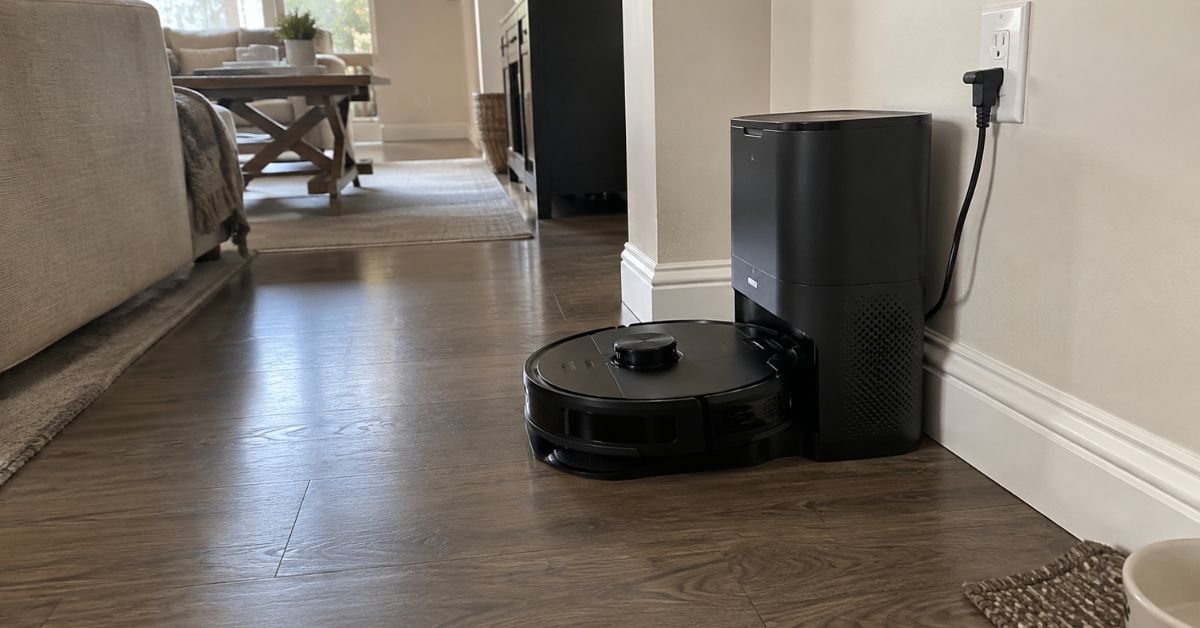
A self-emptying robot vacuum is a robotic vacuum cleaner that returns to its charging dock and automatically transfers the dirt from its internal dustbin into a larger bag or container housed inside the dock itself.
Here, the main selling point here is convenience. You empty the dock’s larger bag maybe once every one to two months instead of manually emptying a tiny onboard bin multiple times a week.
Now, for a lot of people, that’s the difference between actually using a robot vacuum regularly and letting it sit in a closet because the maintenance felt like too much work. It’s worth mentioning that the robot’s own internal bin is usually pretty small, often holding less debris than a standard handheld vacuum canister, which is exactly why the auto-emptying feature exists in the first place.
How Does a Self-Emptying Robot Vacuum Work?
- The robot vacuum finishes its cleaning cycle, or its bin sensor detects that it’s getting full partway through a run.
- It navigates back to its charging dock using the same mapping system it uses to clean.
- Once docked, a powerful suction motor inside the base station kicks in automatically.
- This suction pulls all the debris out of the robot’s small internal bin and pushes it through a tube into the larger bag or bin sitting inside the dock.
- The robot then charges up, ready for its next scheduled run or manual command.
The whole emptying process usually takes somewhere between 10 and 20 seconds, and it’s loud, genuinely loud for those few seconds. Yes, that surprises a lot of first-time owners who assume something’s broken. It isn’t. That’s just normal, and it’s simply the strong suction doing its job quickly and efficiently.
Most manufacturers actually recommend scheduling cleaning runs for times when the noise won’t bother anyone, like right before you leave for work, since the emptying sound is louder than the vacuum’s regular cleaning noise.
- Best cordless vacuum cleaners
- Best upright vacuums
- Best robot vacuums for pet hair
- Most reliable vacuum cleaners
Self-Emptying vs. Self-Cleaning Robot Vacuums: What Is the Difference?
“Self-cleaning” is really a term that can include several different automated features, and self-emptying is just one piece of that feature.
| Feature | What It Does | Why It Matters |
|---|---|---|
| Self-Emptying | Sucks debris from the robot’s bin into a dock-based bag or bin | Reduces how often you have to touch trash directly |
| Self-Washing | Rinses mop pads or mop rollers with water and sometimes detergent | Keeps mopping hygienic between uses |
| Self-Drying | Uses hot air to dry mop pads after washing | Stops mildew and that damp-mop smell from setting in |
| Automatic Water Refilling | Draws clean water and drains dirty water automatically | Removes manual tank-filling from the daily routine |
| Full-Service / Omni Dock | Combines all of the above into one base station | The closest thing to a genuinely hands-off setup |
How to Maintain an Automatic-Emptying Robot Vacuum
“Self-emptying” doesn’t mean zero maintenance. These docks still need occasional attention to keep running smoothly, and skipping that maintenance for too long is the number one reason people end up disappointed with their robot vacuum after the first few months.
You see, skip maintenance long enough, and you’ll start noticing weaker suction, error messages, or a robot that just refuses to dock properly no matter how many times you reset it.
| Task | How Often | Why It Matters |
|---|---|---|
| Replace or empty dock bag/bin | Every 30 to 75 days, depending on the model | Prevents suction loss and bag overflow |
| Clean robot dustbin and air path | Weekly | Stops clogs before they start building up |
| Check the auto-empty port for blockages | Weekly | A blocked port causes failed emptying cycles |
| Remove hair from main and side brushes | Weekly, more often with pets in the house | Tangled brushes reduce overall cleaning power |
| Clean sensors and LiDAR | Weekly | Dirty sensors cause navigation errors and bumps |
| Replace filters | Every 2 to 3 months | Maintains suction strength and indoor air quality |
| Maintain mop pads and water tanks | After every single mopping session | Prevents bad odor and bacteria buildup over time |
Final Verdict: Which Self-Emptying Robot Vacuum is Best?
In a nutshell, a self-emptying robot vacuum genuinely cuts down on daily chores, and for most households, it’s a real quality-of-life upgrade rather than just a gimmick. But it’s not a set-it-and-forget-it-forever appliance, and going in with that expectation is how people end up frustrated.
Now, for most homes, the Roborock QV 35A gives the best balance of cleaning, mopping, smart navigation, and dock features. The Dreame X50 Ultra is a better fit if you want more power and advanced obstacle handling. Plus, pet owners may prefer the eufy X10 Pro Omni because it handles hair well and offers useful object detection.
Your best choice depends on your home, budget, and floor type. A good self-empty robot vacuum cleaner should reduce your work, not add more maintenance. So, you need to pick the model that matches your real cleaning needs.
FAQs: Best Robot Vacuums With Self-Emptying Dock
What is the best self-emptying robot vacuum in 2026?
The Roborock QV 35A is the best self-emptying robot vacuum for most homes. It gives you strong suction, LiDAR mapping, dual spinning mops, and a dock that empties dust, washes the mops, dries them, and refills water.
What is the best self-empty robot vacuum cleaner for pet hair?
The eufy X10 Pro Omni is a strong choice for pet hair. Its 8,000 Pa suction, Pro-Detangle system, and object detection help it pick up fur while avoiding toys, cables, and solid pet waste.
Are self-emptying robotic vacuums worth the extra money?
Yes, they are worth it if you clean often or have pets. The dock removes dirt from the robot automatically, so you spend less time emptying a small dustbin after every run.
The price bump usually pays for itself in convenience within the first few months, especially for pet owners or bigger homes that generate more debris. For a small apartment with no pets, though, a basic model without this feature might genuinely be enough.
How often do self-emptying robot vacuums need to be emptied?
The robot’s own bin empties itself after most cleaning runs, so you don’t touch that part at all. The dock’s larger bag is what actually needs your attention, and that’s usually every 30 to 75 days depending on home size and how many pets you have.
Now, bigger homes and heavier shedding push you toward the lower end of that range, simply because more debris fills the bag faster than the manufacturer’s average estimate assumes.
Do self-emptying robot vacuums need bags?
Most do, yes. The bag sits inside the dock and collects debris across multiple cleaning cycles before you need to replace it. This is actually the point of the system, since a bag can hold weeks of dirt without leaking dust back into your air.
Nowadays, some newer self-emptying robotic vacuum cleaners skip the bag entirely and use a washable bin instead, but bagged systems are still more common because they’re simpler to maintain and don’t require rinsing anything out.
Are there bagless self-emptying robot vacuums?
Yes, a handful of the best self-emptying robot vacuums use a bagless bin inside the dock instead of a disposable bag. You still get the self-emptying convenience, but you’ll need to periodically pull out the bin and rinse or wipe it clean yourself.
Are self-emptying robotic vacuums good for allergies?
Yes, they can be helpful because the dock reduces how often you touch collected dust. A model with a sealed bag or strong HEPA filtration is usually better because it can reduce the amount of fine dust released during disposal.
Can a robot vacuum empty itself while cleaning a large home?
Not mid-cleaning, no. The robot has to physically return to its dock to trigger the emptying process, so it can’t empty itself while it’s out cleaning a far corner of the house.
Now, what it can do, on models with a resume feature, is pause cleaning, return to the dock to recharge or empty, then head back out to finish the job. Well, this matters a lot in larger homes, where one continuous cleaning run might not fit into a single battery charge anyway.