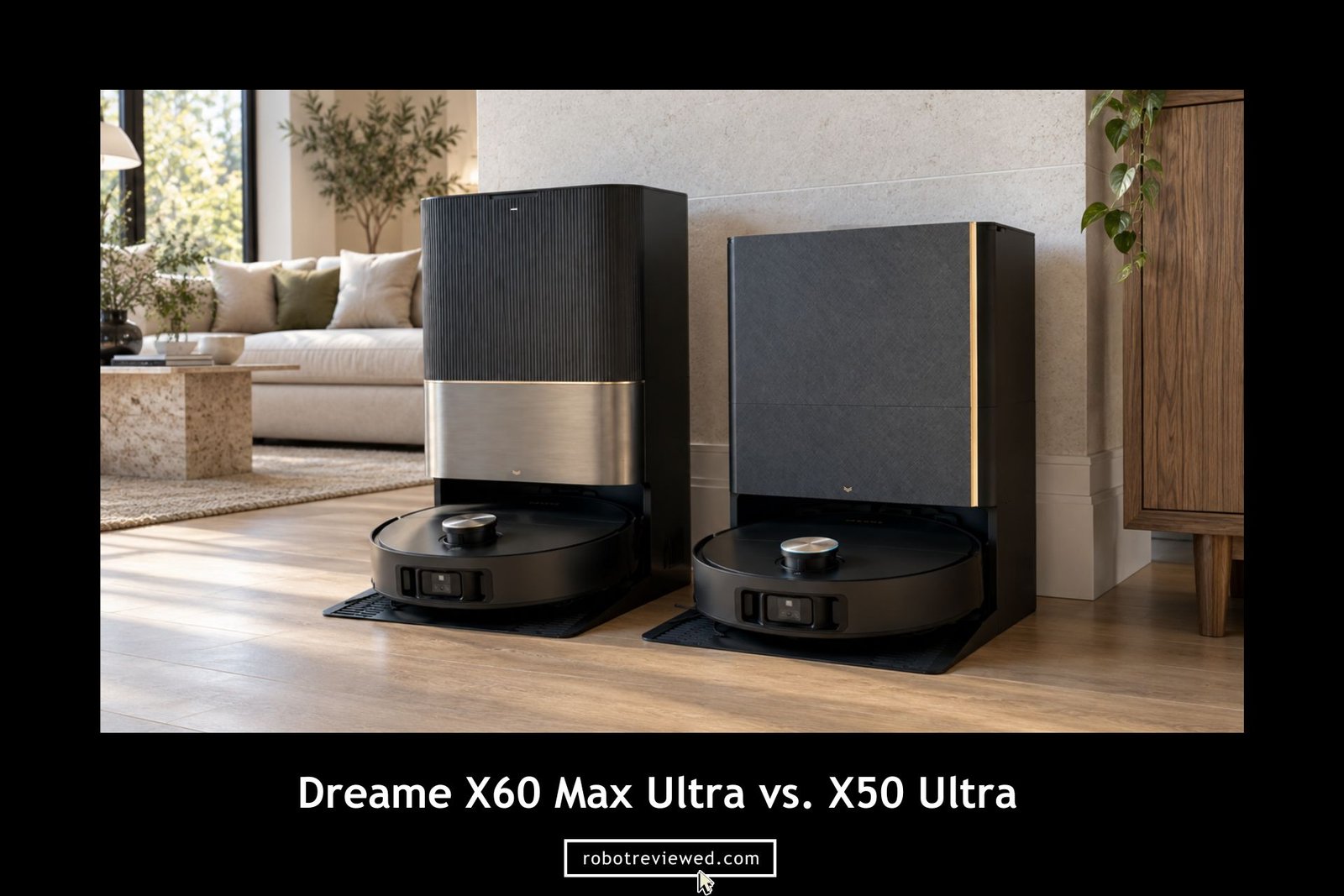

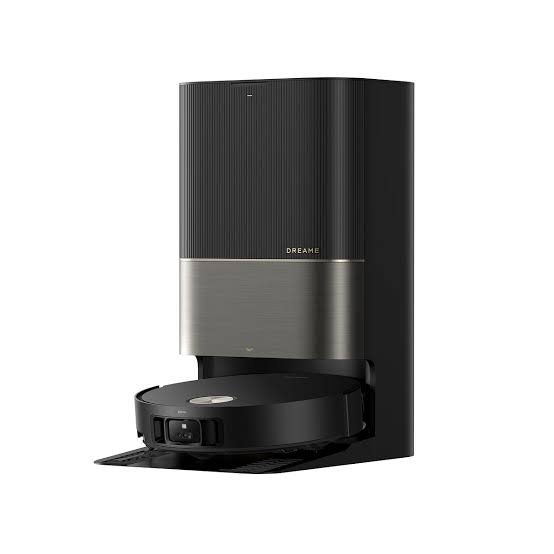
The Dreame X50 Ultra and Roborock Saros 10R are surprisingly close once you move past their marketing numbers. Both clean hard floors well, handle carpet, mop automatically, avoid everyday objects, and return to full-service docks after cleaning. You also get automatic mop washing, drying, dust emptying, water refilling, and plenty of app controls.
The important differences between Dreame X50 Ultra and Roborock Saros 10R show up in places you might not notice on a specification sheet. Actually, the X50 Ultra is stronger with pet hair, carpet deep cleaning, and difficult thresholds. The Saros 10R is slimmer, sees small obstacles better, and moves confidently through cluttered rooms.
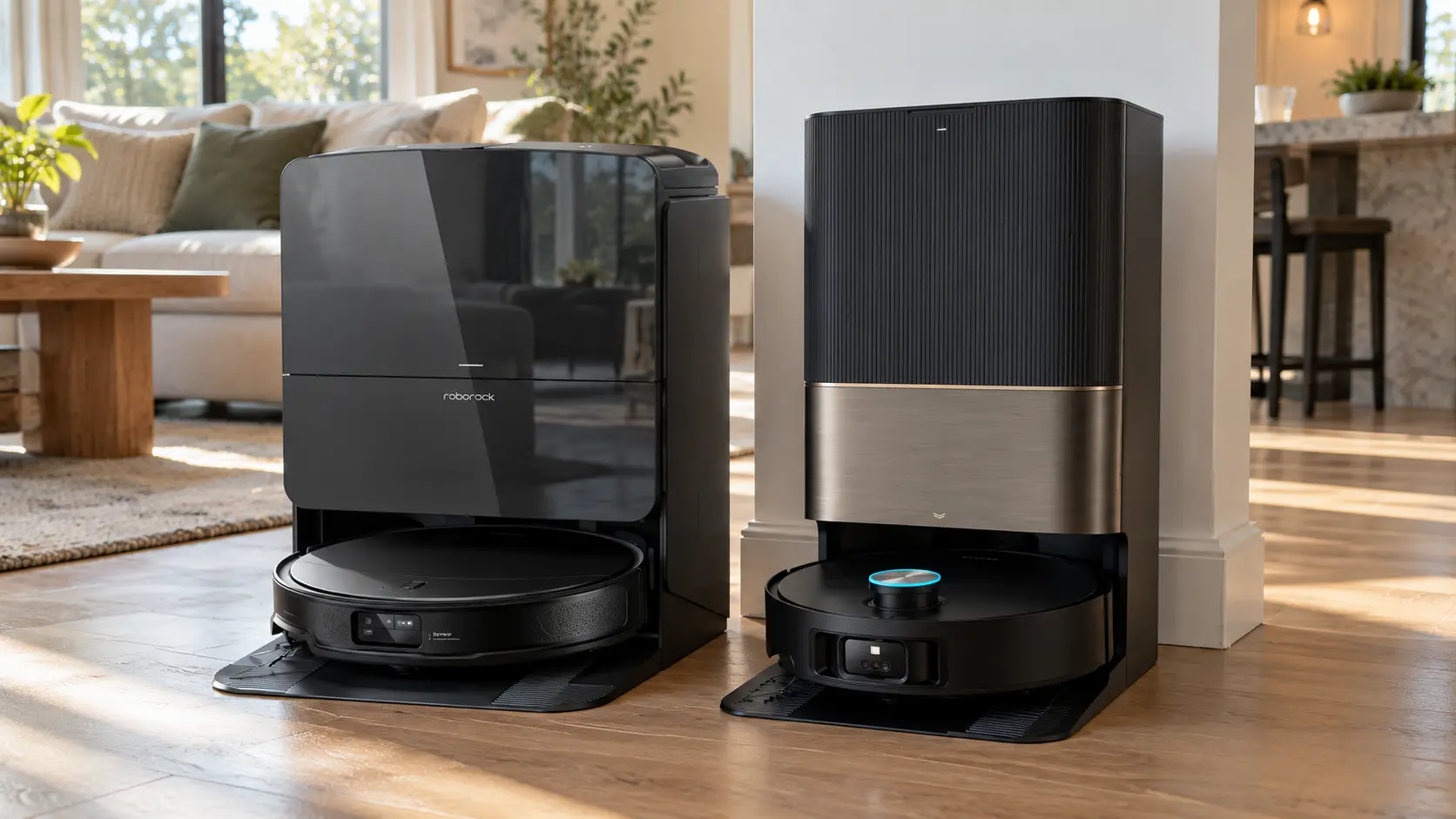
TABLE OF CONTENTS Quickly jump to a section
- Dreame X50 Ultra vs Roborock Saros 10R: Quick Verdict
- Compare Robot Vacuums: Dreame X50 Ultra Complete vs. Roborock Saros 10R
- Which One Cleans Floors Better?
- Mopping: Which One Leaves Floors Cleaner?
- Obstacle Avoidance and Navigation: Which Needs Less Babysitting?
- Low Furniture vs High Thresholds: The Difference That May Decide It
- Dreame X50 Ultra vs Roborock Saros 10R: Final Verdict
Dreame X50 Ultra vs Roborock Saros 10R: Quick Verdict
I give the Dreame X50 Ultra a slight edge for most mixed-floor homes, but again the Saros 10R can easily be the smarter purchase as well.
The X50 gives you slightly stronger carpet results, excellent pet-hair pickup, better tested threshold climbing, and a larger dock capacity. It also has one of the better anti-tangle brush systems I have compared in this premium category.
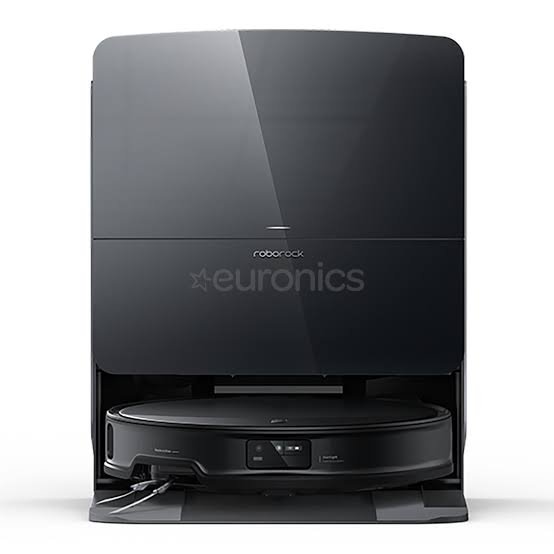
The Saros 10R makes more sense in a cluttered home with cables, toys, shoes, pets, and low furniture. Its obstacle avoidance was basically faultless in testing, and its 79.8 mm body gets into spaces the X50 cannot reach.
So, my choice between Dreame X50 Ultra vs Roborock Saros 10R is pretty simple:
- Choose the Dreame X50 Ultra for pets, carpets, awkward thresholds, and overall value.
- Choose the Roborock Saros 10R for obstacle avoidance, very low furniture, and polished navigation
Compare Robot Vacuums: Dreame X50 Ultra Complete vs. Roborock Saros 10R
Quick Verdict
What it is: A fast summary of which selected robot leads in the buyer areas that usually change a purchase decision.When it matters: It matters when you want the practical differences first. The picks use editorial scores built from verified specifications and measured performance, not one headline number.Price & Buying Basics
What it is: The core buying details that tell you what the robot costs, when it launched, what it can do, and whether you can realistically buy it.When it matters: It matters when you want to compare two models in the same budget and avoid paying flagship money for features you do not need.| Comparison point | Dreame X50 Ultra Complete | Roborock Saros 10R |
|---|---|---|
| Typical Current PriceWhat it is: The typical US selling price you can expect to see now, including common direct discounts when they are consistently available.When it matters: It matters because the real street price can change which robot gives you better value even when the original list prices were similar. | $899.99 current promotional price; $1,699.99 launch MSRP. | $899.99 current official sale price. |
| MSRP / Launch PriceWhat it is: The manufacturer’s original suggested retail or launch price for the robot vacuum.When it matters: It matters when you want to judge how far a model has fallen in price and how the brand originally positioned it. | $1,699.99 original launch price; Dreame has since reduced official reference pricing. | $1,599.99 |
| Release Generation / YearWhat it is: The year or product generation in which the model first reached the market.When it matters: It matters because newer generations often improve obstacle avoidance, docking, software support, and long-term parts availability. | 2025 | 2025 |
| Vacuum TypeWhat it is: Whether the robot only vacuums or combines vacuuming with an active mopping system.When it matters: It matters if you have hard floors and want one machine to handle both dry debris and routine floor washing. | Vacuum + mop | Vacuum + mop |
| US AvailabilityWhat it is: Whether the model is currently sold and supported through normal US retail or official channels.When it matters: It matters because a great specification sheet is less useful if you cannot easily buy the robot, consumables, or warranty support where you live. | Current | Current |
| Included AccessoriesWhat it is: The brushes, mop pads, dust bags, filters, cleaning solution, spare parts, and other extras included in the box.When it matters: It matters when you compare total purchase value because one bundle can save you from buying common replacement items immediately. | Robot, dock, spare main brush, 2 side brushes, 3 dust bags, 6 pairs of mop pads, 3 filters and 1 L cleaning solution. | Robot, Multifunctional Dock 4.0, dock base, power cord, mop modules/pads, manual and dust bags. |
Vacuuming Hardware & Performance
What it is: The brush, suction, filtration, hair-control, and real pickup factors that determine how well the robot handles dry cleaning.When it matters: It matters most if you have carpet, pets, long hair, heavy crumbs, or rooms where vacuuming performance is more important than mopping.| Comparison point | Dreame X50 Ultra Complete | Roborock Saros 10R |
|---|---|---|
| Maximum Claimed SuctionWhat it is: The manufacturer’s highest claimed suction level, usually measured in pascals (Pa).When it matters: It matters as one hardware reference, but you should not assume the robot with the largest Pa number automatically cleans carpet better. | 20,000 Pa | 22,000 Pa in current Roborock US materials |
| Main Brush DesignWhat it is: The primary roller or roller pair underneath the robot that agitates flooring and feeds debris into the suction path.When it matters: It matters because brush shape and contact can change carpet pickup, hard-floor pickup, hair handling, and maintenance. | HyperStream Detangling DuoBrush with a bristled-rubber roller and TPU roller | DuoDivide two-piece anti-tangle main brush |
| Anti-Tangle SystemWhat it is: The combs, cutting elements, tapered rollers, or brush geometry designed to stop hair from wrapping around moving parts.When it matters: It matters if you have pets or long hair because a good system can reduce how often you need to cut hair from the brush. | HyperStream DuoBrush; 0% hair wrap in the 7-inch hair-tangle test. | DuoDivide main brush + FlexiArm Riser side brush; 0% wrap with 7-inch hair. |
| Side Brush / Extending Side BrushWhat it is: The side-sweeping brush and any extension mechanism used to pull debris away from walls and corners.When it matters: It matters when dust, crumbs, and pet hair collect along baseboards or around furniture legs. | SideReach liftable and extendable side brush | FlexiArm Riser liftable and extendable anti-tangle side brush |
| Main Brush LiftWhat it is: Whether the main vacuuming brush can lift away from the floor for certain cleaning modes or wet-only passes.When it matters: It matters if you want the robot to avoid dragging a dirty brush across freshly mopped areas or adapt more cleanly between tasks. | Yes | Yes |
| Automatic Carpet Suction BoostWhat it is: Whether the robot detects carpet and automatically increases suction or changes its vacuuming behavior.When it matters: It matters if you have mixed flooring and want stronger carpet cleaning without running maximum power on every hard-floor section. | Yes | Yes |
| Filtration SystemWhat it is: The type of filter and internal air path used to capture fine dust after debris enters the robot.When it matters: It matters if you care about fine-particle control, have allergies, or want less dust blown back into the room. | Washable high-efficiency filter | Washable filter |
| Onboard Dustbin CapacityWhat it is: The amount of dry debris the robot can hold before it needs to empty into the dock or be emptied manually.When it matters: It matters if you have pets, a large home, or a model without auto-emptying because a small bin can fill during one cleaning run. | 395 mL | 270 mL |
| Hard Floor CleaningWhat it is: How effectively the robot picks up dust, crumbs, hair, and mixed debris from tile, hardwood, laminate, vinyl, and similar floors.When it matters: It matters if most of your home is hard flooring and you want consistently clean floors without repeated passes. | Excellent; nearly perfect mixed-debris pickup on hard floors in the test. | Excellent everyday surface pickup. |
| Carpet CleaningWhat it is: How well the robot removes normal surface and embedded debris from rugs and carpet.When it matters: It matters if a meaningful part of your home is carpeted and you need more than basic surface pickup. | Very good; strong surface pickup and above-average deep-carpet cleaning. | Very good; strong surface pickup and above-average deep-cleaning. |
| Deep Carpet PerformanceWhat it is: How well the robot removes heavier or more deeply embedded debris from medium- and high-pile carpet.When it matters: It matters if you have thick carpet, shedding pets, or rooms where debris tends to settle below the surface fibers. | 83% embedded-sand pickup on medium-pile carpet.Best | 80% embedded-sand pickup on medium-pile carpet. |
| Pet Hair PickupWhat it is: How effectively the robot collects dog or cat hair from hard floors and carpet while keeping brush wrap under control.When it matters: It matters if pets shed daily and you want frequent automated cleaning without constant brush maintenance. | 97.5% pickup of flattened 2.5-inch pet hair on carpet.Best | About 92% pickup of flattened 2.5-inch pet hair on carpet. |
| Long Hair HandlingWhat it is: How well the robot collects long human hair and prevents it from winding around the main brush, side brush, and axles.When it matters: It matters if anyone in your home has long hair because hair wrap can quickly reduce performance and increase maintenance. | Excellent; 0% wrap with 7-inch hair. | Excellent; 0% wrap with 7-inch hair. |
| Edge & Corner VacuumingWhat it is: How closely the robot can collect dry debris along walls, baseboards, cabinet edges, and inside corners.When it matters: It matters because round robots often leave visible debris at room boundaries even when the open floor looks clean. | Strong; extending side brush and mop reach walls, corners and furniture edges. | Very good; the extending side brush reaches edges and corners effectively. |
Mopping & Floor Care
What it is: The mop hardware, water control, carpet protection, edge reach, and stain-cleaning behavior that determine how useful the robot is as a floor washer.When it matters: It matters if you want the robot to do more than wipe dust and actually reduce how often you need to mop hard floors yourself.| Comparison point | Dreame X50 Ultra Complete | Roborock Saros 10R |
|---|---|---|
| Mop System / Mop TypeWhat it is: The physical mopping design, such as spinning pads, a vibrating plate, roller mop, track mop, or passive cloth.When it matters: It matters because different systems vary widely in scrubbing strength, fresh-water use, carpet handling, and edge reach. | Dual spinning mop pads with MopExtend RoboSwing | Dual spinning mop pads |
| Mop Speed / PressureWhat it is: The stated scrubbing speed, downward pressure, or other mechanical force applied by the mop system.When it matters: It matters when you regularly deal with dried footprints, kitchen residue, or stains that need more than a light wet wipe. | 165 RPM; 8 N downward pressure. | 200 RPM; up to 8 N downward pressure |
| Edge Mop ExtensionWhat it is: Whether the mop can move outward to reach closer to walls, cabinet toe-kicks, and furniture edges.When it matters: It matters if you want fewer narrow dry strips left around the perimeter of your rooms. | MopExtend RoboSwing extendable side mop | FlexiArm extendable side mop |
| Mop Edge Reach / Extension DistanceWhat it is: How far the active mop can physically extend toward walls or beyond the normal robot body.When it matters: It matters when you compare two extending systems because both may say “edge mopping” while reaching noticeably different distances. | Up to 4 cm / 1.57 in beneath low edges and around furniture | Roborock claims a 0 mm edge gap / complete edge-and-corner coverage under its test conditions |
| Mop Lift HeightWhat it is: How far the mop can lift above the floor when the robot detects carpet or switches cleaning modes.When it matters: It matters if you have low- or medium-pile rugs and want the robot to cross them without leaving the carpet damp. | 10.5 mm | Up to 17 mm with chassis liftBest |
| Automatic Mop Removal / Carpet StrategyWhat it is: Whether the robot removes, lifts, shields, avoids, or otherwise manages its wet mop when it encounters carpet.When it matters: It matters if your home mixes carpet and hard flooring because the strategy determines how safely one run can clean both surfaces. | Mops can lift on short-pile carpet, detach for longer-pile carpet, or avoid carpet completely. | Mops can detach automatically, lift on carpet, or combine with chassis lift for extra clearance. |
| Water Flow ControlWhat it is: How the robot controls the amount of clean water delivered to the mop during a cleaning pass.When it matters: It matters if you have delicate wood floors, very dirty tile, or rooms that need different moisture levels. | Electronically controlled and adjustable through Dreamehome; OmniDirt adapts mopping behavior to detected dirt | App-adjustable electronic water flow |
| Onboard Clean-Water CapacityWhat it is: The amount of clean water the robot carries internally for mopping between dock visits.When it matters: It matters in large hard-floor areas because a larger or continuously supplied tank can reduce interruptions. | About 80 mL. | About 69 mL; refilled automatically by the dock. |
| Self-Cleaning Mop During OperationWhat it is: Whether the robot returns to the dock or refreshes the mop during a cleaning job instead of using the same dirty surface everywhere.When it matters: It matters if you clean large or dirty areas and want to reduce the chance of spreading grime from one room to another. | Returns to the dock periodically to wash the mop pads during longer jobs. | Returns to the dock periodically to wash the mop pads during longer jobs. |
| Dirt Detection & Automatic Rewash / RemopWhat it is: Whether the system detects unusually dirty water or stubborn areas and automatically washes the mop or cleans the area again.When it matters: It matters if you want the robot to react to real floor conditions instead of following the same fixed pass everywhere. | Yes; dirt detection can trigger extra mop washing and re-mopping. | Yes; dirt detection can extend washing and trigger another mopping pass. |
| Active Mopping Width / Floor ContactWhat it is: The approximate width or amount of floor the active mop cleans on each pass.When it matters: It matters because broader consistent contact can improve coverage efficiency and reduce narrow missed strips. | Dual spinning pads + extendable side mop. | Dual spinning pads + extendable side mop. |
| Cleaning Solution CompatibilityWhat it is: Which cleaning solutions the manufacturer allows you to use in the robot or dock without risking damage or warranty issues.When it matters: It matters if you want more than water-only mopping or prefer to use a specific approved floor-cleaning solution. | Automatic solution dispensing; use compatible Dreame cleaning solution. | Automatic detergent dispensing with a 590 mL cartridge. |
| Mopping / Stain Removal PerformanceWhat it is: How well the robot removes fresh and dried residue in real use rather than simply wetting the floor.When it matters: It matters if you expect the robot to meaningfully replace routine manual mopping instead of only maintaining already-clean floors. | Above average; dried-stain score of 80 with good water control and limited streaking.Best | Above average; strong dried-stain removal, with some streaking at the highest water setting. |
Navigation & Obstacle Avoidance
What it is: The sensors, mapping logic, object recognition, and route planning that determine how reliably the robot moves through your home.When it matters: It matters if your rooms are cluttered, you have pets or children, or you want the robot to finish jobs without frequent rescues.| Comparison point | Dreame X50 Ultra Complete | Roborock Saros 10R |
|---|---|---|
| Navigation SystemWhat it is: The main mapping and positioning technology the robot uses, such as LiDAR, structured light, cameras, or sensor fusion.When it matters: It matters because good navigation helps the robot clean systematically, return to its dock reliably, and avoid wasting time on repeated paths. | VersaLift 360° DToF LiDAR mapping | StarSight Autonomous System 2.0 |
| LiDAR / Navigation Sensor DesignWhat it is: Whether the navigation sensor is fixed, retractable, side-mounted, solid-state, or absent.When it matters: It matters if you need a low robot for furniture clearance or want to understand how it keeps accurate position in different rooms. | Retractable DToF LiDAR turret that lowers the robot to 89 mm for low furniture | Dual-transmitter solid-state 3D Time-of-Flight navigation with no raised spinning LiDAR turret |
| Obstacle-Avoidance HardwareWhat it is: The cameras, lasers, structured-light sensors, 3D sensors, or other hardware used to detect objects in the robot’s path.When it matters: It matters if cables, shoes, toys, pet bowls, and other small items are often left on your floor. | AI RGB camera + 3D structured light + LED illumination | 3D ToF sensors + RGB camera + VertiBeam lateral sensing |
| Small-Object Avoidance PerformanceWhat it is: How reliably the robot recognizes and steers around small household objects rather than pushing, tangling, or climbing onto them.When it matters: It matters if you do not want to fully tidy the floor before every automated cleaning run. | Very good; 20/24 obstacles avoided in the test. | Excellent; 24/24 obstacles avoided at maximum sensitivity in the test.Best |
| Camera / Visual RecognitionWhat it is: Whether the robot uses a camera or visual system to identify obstacles, rooms, stains, pets, or other scene information.When it matters: It matters if you want stronger object recognition, while also being relevant if you prefer a robot without an onboard camera. | AI RGB camera + structured light; recognizes up to 200 object types. | RGB camera + 3D ToF sensing; recognizes 108 object types. |
| Recognized Object TypesWhat it is: The number or range of object categories the manufacturer says the robot can identify, such as shoes, cables, toys, or pet waste.When it matters: It matters when comparing obstacle systems because broad recognition can reduce avoidable tangles and interruptions in busy homes. | Up to 200 types | 108 types; designed to detect objects as small as about 2 × 2 cm |
| Low-Light / Dark-Room NavigationWhat it is: How well the navigation and obstacle system continues working when the room is dim or completely dark.When it matters: It matters if you schedule cleaning at night, have dark hallways, or want reliable cleaning without keeping lights on. | Very good; LiDAR works in darkness and the front LED supports visual detection. | Excellent; solid-state 3D sensing works well at night and under furniture. |
| Pet Waste AvoidanceWhat it is: Whether the robot is designed to recognize and avoid pet waste or similarly risky floor objects.When it matters: It matters especially if you have indoor pets because one avoidance failure can turn a small accident into a much larger mess. | Yes; AI object recognition supports pet-waste avoidance. | Yes; AI object recognition supports pet-waste avoidance. |
| Navigation & Coverage EfficiencyWhat it is: How logically the robot plans routes, covers rooms, minimizes unnecessary overlap, and finishes a cleaning job.When it matters: It matters in larger homes because efficient routing saves battery, reduces cleaning time, and lowers the chance of missed areas. | Excellent; about 0.74 m²/min with near-complete test-floor coverage. | Average route efficiency; about 1,334 ft² estimated coverage per charge. |
| Map Accuracy & Room RecognitionWhat it is: How accurately the robot creates room boundaries, recognizes spaces, and keeps its map stable over repeated cleaning runs.When it matters: It matters if you rely on room-specific schedules, no-go zones, or precise zone cleaning. | Very good; quick mapping took about 5 minutes with near-complete room coverage. | Very good; accurate room recognition and detailed mapping.Best |
| Carpet Detection & RecognitionWhat it is: How the robot identifies rugs and carpet and uses that information to change suction, mopping, or route behavior.When it matters: It matters in mixed-floor homes because poor carpet detection can reduce vacuuming performance or cause wet-mop mistakes. | Yes. Carpet sensing can trigger suction boost, 10.5 mm mop lift, mop removal or carpet avoidance depending on your app settings. | Yes. Carpet sensing supports suction boost, mop lift/detachment and chassis lifting with multiple carpet strategies in the app. |
Mobility, Dimensions & Home Fit
What it is: The robot and dock dimensions plus the chassis features that determine where the system can physically travel and fit in your home.When it matters: It matters if you have low furniture, tall thresholds, tight spaces, multiple floors, or limited room for a large dock.| Comparison point | Dreame X50 Ultra Complete | Roborock Saros 10R |
|---|---|---|
| Robot HeightWhat it is: The maximum height of the robot, including any raised navigation sensor in its normal operating position.When it matters: It matters if you want the robot to clean under beds, sofas, cabinets, or other low furniture. | 3.50 in / 89 mm with VersaLift retracted; 4.37 in / 111 mm with the sensor raised | 3.14 in / 79.8 mm |
| Robot Width / DiameterWhat it is: The overall width or diameter of the robot body.When it matters: It matters if you have narrow chair gaps, tight passages, or furniture layouts where a wider robot may not fit. | 13.78 in / 350 mm | 13.78 × 13.90 in / 350 × 353 mm |
| Robot WeightWhat it is: The approximate weight of the robot itself without the dock.When it matters: It matters if you plan to carry the robot between floors or frequently move it for maintenance. | 9.99 lb / 4.53 kg | 9.0 lb / 4.10 kg |
| Maximum Threshold CrossingWhat it is: The tallest single or multi-step threshold the manufacturer claims the robot can cross.When it matters: It matters if you have raised transitions, sliding-door tracks, thick rug edges, or room dividers that stop ordinary robots. | 42 mm single-step; 60 mm two-step. A 36 mm single threshold was cleared in the test.Best | Up to 40 mm combined double-layer crossing. It cleared 20 mm and 26 mm single thresholds in the test. |
| Chassis Lift / Suspension SystemWhat it is: Whether the robot can raise or actively adjust its body, wheels, or suspension to clear obstacles and floor transitions.When it matters: It matters in homes with uneven flooring or tall transitions where ordinary fixed-wheel robots may become stuck. | Yes | Yes |
| Dock DimensionsWhat it is: The physical width, depth, and height of the charging and maintenance station.When it matters: It matters if your charging area is tight or you want the dock to fit cleanly beside cabinets, furniture, or an outlet. | 17.99 × 13.39 × 23.23 in / 457 × 340 × 590 mm | 15.0 × 18.7 × 19.2 in / 381 × 475 × 488 mm |
| Low-Furniture Cleaning AbilityWhat it is: How the robot’s height and sensor design affect its ability to enter and clean beneath low furniture.When it matters: It matters if dust collects under beds and sofas that you do not want to move during normal cleaning. | Excellent; retractable LiDAR lowers the robot to 89 mm. | Excellent; 79.8 mm body with no raised LiDAR turret.Best |
Dock & Hands-Off Maintenance
What it is: The dock features that empty debris, wash and dry mops, manage water, dose detergent, and reduce routine hands-on cleaning.When it matters: It matters if you are paying for a premium robot mainly because you want days or weeks of cleaning with minimal intervention.| Comparison point | Dreame X50 Ultra Complete | Roborock Saros 10R |
|---|---|---|
| Automatic Dust EmptyingWhat it is: Whether the dock removes dry debris from the robot’s onboard dustbin after cleaning.When it matters: It matters if you want to avoid emptying a small robot bin after every run, especially in homes with pets. | Yes | Yes |
| Bagged or Bagless DockWhat it is: Whether collected dust is stored in a disposable bag, reusable cyclone/bin, or another dock system.When it matters: It matters because bagged docks are cleaner to empty while bagless systems can reduce ongoing consumable costs. | Bagged | Bagged |
| Dock Dust Storage CapacityWhat it is: How much dry debris the dock can hold, or the manufacturer’s claimed time between dust-container changes.When it matters: It matters if you want longer hands-off periods before you need to replace a bag or empty a dock bin. | 3.2 L dust bag; up to 100 days between bag changes under light-use conditions. | 2.7 L dust bag; up to 70 days between changes. |
| Automatic Mop Washing + TemperatureWhat it is: Whether the dock washes the mop automatically and the maximum stated wash-water temperature when heat is used.When it matters: It matters if you clean greasy or dirty floors because hotter washing can help clean the mop itself between runs. | 176°F / 80°C | 176°F / 80°C |
| Heated Mop DryingWhat it is: Whether the dock dries wet mop components with warm or heated air and, when stated, how long or how hot the cycle runs.When it matters: It matters if you want to reduce damp odors and avoid leaving wet mop material sitting in the dock for hours. | Yes; hot-air mop drying | Yes; 131°F / 55°C warm-air drying |
| Automatic Water RefillingWhat it is: Whether the dock automatically refills the robot’s onboard clean-water supply for continued mopping.When it matters: It matters if you have a large hard-floor area and do not want to refill a small tank during a cleaning job. | Yes | Yes |
| Automatic Detergent DispensingWhat it is: Whether the dock can automatically meter approved cleaning solution into the mopping system.When it matters: It matters if you want consistent detergent use without manually measuring solution for every cleaning cycle. | Yes | Yes |
| Dock Self-CleaningWhat it is: How much of the wash tray or dock interior can rinse or clean itself after dirty mop-water cycles.When it matters: It matters because even a highly automated dock can become unpleasant maintenance if grime collects in areas you must scrub by hand. | Yes | Yes |
| Clean-Water Tank CapacityWhat it is: The amount of clean water the dock stores for washing mops and refilling the robot.When it matters: It matters if you mop frequently or have a large home because larger tanks generally need fewer manual refills. | 4.5 LBest | 4.0 L |
| Dirty-Water Tank CapacityWhat it is: The amount of used mop water the dock can hold before you need to empty it.When it matters: It matters if you want several mopping runs between maintenance visits without risking an unexpectedly full dirty-water tank. | 4.0 L | 3.0 L |
| Removable Wash Tray / BaseWhat it is: Whether the part of the dock that collects mop grime can be removed for deeper manual cleaning.When it matters: It matters because removable parts are usually easier to rinse thoroughly when automatic dock cleaning is not enough. | Yes | Yes |
| Automatic Water & Drain Plumbing OptionWhat it is: Whether the dock supports an optional direct clean-water supply and wastewater drain kit instead of refillable tanks.When it matters: It matters if you can install the dock near plumbing and want the closest thing to truly hands-off water management. | No | Optional kit |
Battery & Coverage
What it is: The battery size, runtime, charging behavior, and resume features that determine how comfortably the robot can cover larger homes.When it matters: It matters if a single floor is large, you use high-power modes often, or you do not want long charging pauses in the middle of a cleaning job.| Comparison point | Dreame X50 Ultra Complete | Roborock Saros 10R |
|---|---|---|
| Battery CapacityWhat it is: The rated capacity of the rechargeable battery, usually stated in milliamp-hours (mAh).When it matters: It matters as a useful hardware reference for larger homes, although software efficiency and cleaning power also strongly affect real runtime. | 6,400 mAh | 6,400 mAh |
| Claimed RuntimeWhat it is: The manufacturer’s maximum stated operating time under its specified test mode.When it matters: It matters if you have a large floor plan, but you should compare it with the cleaning mode because maximum runtime is often measured at low power. | Up to 220 min in Quiet mode; coverage up to about 205 m² / 2,207 ft². | Up to 180 min; about 1,334 ft² estimated coverage per charge. |
| Recharge & ResumeWhat it is: Whether the robot can return to the dock when low, recharge, and continue the unfinished cleaning job automatically.When it matters: It matters if your home is too large to finish on one battery or you regularly use stronger suction and mopping settings. | Yes | Yes |
| Approximate Charging TimeWhat it is: How long the battery typically needs to recharge from low power to a usable or full charge when the manufacturer states it.When it matters: It matters if the robot frequently needs a mid-job recharge or you run multiple cleaning sessions in the same day. | No official time | About 2.5 hours / 150 minutes |
| Fast / Smart ChargingWhat it is: Whether the robot supports accelerated charging, partial recharge logic, off-peak charging, or other battery-management features.When it matters: It matters if you want shorter interruptions, lower energy costs, or faster completion of large cleaning jobs. | 30% faster charging claim plus off-peak charging support | Yes; 2.5-hour fast charging, off-peak charging and a claim of over 40% faster charging than the referenced previous design |
App, Mapping & Smart Home
What it is: The software controls that let you edit maps, automate rooms, watch the robot remotely, and connect it with the rest of your smart home.When it matters: It matters if you want detailed routines and room-by-room control instead of treating the robot as a simple start-and-stop appliance.| Comparison point | Dreame X50 Ultra Complete | Roborock Saros 10R |
|---|---|---|
| App & Core Mapping FeaturesWhat it is: The main app tools for maps, rooms, zones, schedules, no-go areas, cleaning settings, and map editing.When it matters: It matters if you want precise control over where, when, and how the robot cleans each part of your home. | Quick and 3D maps, room/zone cleaning, no-go areas, carpet settings, cleaning history and per-room controls. | Quick mapping, 3D maps, rooms, zones, no-go areas, virtual barriers and SmartPlan 2.0. |
| Multi-Floor MappingWhat it is: Whether the app can save and manage separate maps for more than one level of your home.When it matters: It matters if you carry the robot between floors and want room names, zones, and cleaning settings preserved on each level. | Yes | Yes |
| Routines & Room-Level CustomizationWhat it is: How deeply you can customize suction, mop settings, cleaning order, passes, and schedules by room or routine.When it matters: It matters if different rooms need different cleaning behavior and you want those choices to run automatically. | Schedules, room order, room/zone plans, per-room suction, water levels and carpet behavior. | Schedules, rooms, zones, mixed-pattern cleaning, carpet settings and SmartPlan 2.0. |
| Remote Camera / Pet FeaturesWhat it is: Whether the robot offers live viewing, two-way audio, pet finding, snapshots, patrols, or similar camera-based features.When it matters: It matters if you want the robot to double as a simple home or pet-monitoring device and you are comfortable using its camera features. | Yes; optional live camera viewing and pet-related features in Dreamehome. | Yes; live video, cruise mode, pet finding, pet recognition and snapshots. |
| Voice Assistant & Smart-Home SupportWhat it is: The voice assistants and smart-home ecosystems the robot officially supports, such as Alexa, Google Home, or Siri shortcuts.When it matters: It matters if you want cleaning to start from voice commands, routines, or other smart-home automations you already use. | Built-in 'OK, Dreame' voice control plus Alexa, Google Home, Siri and Apple Watch support | Built-in 'Hello Rocky' assistant plus Alexa, Siri Shortcuts, Google Home and Apple Watch |
| Matter SupportWhat it is: Whether the robot officially supports the Matter smart-home standard and which controls are available through it.When it matters: It matters if you want broader cross-platform automation and prefer not to depend entirely on one brand’s app ecosystem. | Yes | Yes |
Ownership, Noise & Value
What it is: The long-term factors that affect how pleasant and economical the robot is to live with after the initial purchase.When it matters: It matters if you plan to keep an expensive robot for several years and want predictable maintenance, parts, noise, and overall value.| Comparison point | Dreame X50 Ultra Complete | Roborock Saros 10R |
|---|---|---|
| WarrantyWhat it is: The manufacturer’s stated warranty period and basic coverage for the robot and, where specified, its dock.When it matters: It matters more on premium models because batteries, sensors, motors, and complex docks can be expensive to repair or replace. | 3-year US warranty | 1-year limited warranty in the US |
| Noise LevelWhat it is: How loud the robot and dock are during vacuuming, auto-emptying, mop washing, and drying when reliable measurements or observations are available.When it matters: It matters if you clean while working, have sleeping children, live in an apartment, or run the robot at night. | About 65 dB in normal operation; auto-emptying is briefly much louder. | As low as 55 dB in quiet mop-only mode; auto-emptying is briefly much louder. |
| Consumables & Replacement PartsWhat it is: How easy it is to buy genuine or compatible bags, filters, brushes, mop components, detergent, batteries, and other wear items.When it matters: It matters if you want to keep the robot useful for years without hunting for discontinued or unusually expensive consumables. | Strong bundle with spare brushes, bags, mop pads, filters and cleaning solution. | Replaceable dust bags, mop pads, filter, DuoDivide brush and side brush. |
| Overall Value for MoneyWhat it is: Our buyer-focused judgment of how much useful cleaning performance, automation, and ownership convenience you receive for the real selling price.When it matters: It matters when two robots are both good but one gives you the features you will actually use for substantially less money. | Very good near $990; excellent near $900.Best | Excellent near the current $900 promotional price. |
Which One Cleans Floors Better?
The Dreame X50 Ultra has a small lead when it comes to vacuuming, but obviously both robots do a really good job picking up daily mess. On hard tile or wooden floors, you will barely notice any difference during regular use. Both pick up fine dust, bread crumbs, cereal pieces, and small dirt without leaving anything behind.
Both models come with an extending side brush as well. This extra feature helps a lot along walls, around chair legs, in corners, and under kitchen cabinets where regular side brushes usually miss dirt.
Now, carpets show a bigger gap between the two…
In testing on medium-pile carpet, the X50 actually pulled out 83% of buried sand, while the Saros 10R pulled out 80%. Both scores are higher than average, so both clean rugs well. A three percent difference is not huge, but it is there. (read best carpet robot vacuums)
When it comes to pet hair, Dreame wins more clearly. The X50 picked up 97.5% of flattened 2.5-inch pet hair from carpet. The Saros 10R got about 92%. So, if you have dogs or cats that shed a lot of hair every day, that extra boost really helps. (read: best pet hair robotic vacuums)
Also, if you have long hair in the house, both robotic vacuum cleaners handle it easily. Neither robot had any hair wrapped around its main brush after 7-inch hair test, scoring a clean 0% tangle rate. That is awesome because pulling tangled hair off a robot brush by hand is actually annoying.
My pick for vacuuming: Dreame X50 Ultra.
Mopping: Which One Leaves Floors Cleaner?
Both vacuums use two spinning mop pads, and both can easily push one mop out to the side to clean right against the wall. Next, when the mops get dirty, both robots travel back to their dock, wash the pads with clean water, and return to finish the floor.
The Saros 10R did a better job with dried, sticky stains. Its pads spin fast at 200 RPM and push down with up to 8 N of force. That means it actually scrubs the floor instead of just dragging a damp rag around. The X50 was not quite as hard on dried stains, but it controls water really well. It leaves less water on the floor after passing, so you get fewer streak marks on shiny tile or wood floors.
I also like how the Dreame handles carpets while mopping. You can set it to lift its mop pads up, leave the pads behind at the dock to keep carpets totally dry, or just stay away from carpets completely. Roborock as well gives you similar helpful carpet choices, like taking off the mop pads automatically or lifting its body up higher.
So I would not choose one over the other just for mopping alone. The Saros 10R scrubs tough dried stains better, but the X50 manages water nicely and handles mixed floors smoothly. You can also check out my guide on the best robot vacuum and mop combos.
Obstacle Avoidance and Navigation: Which Needs Less Babysitting?
The Roborock Saros 10R is clearly better at dodging objects on the floor. In test with 24 different objects on high sensitivity, the Saros 10R missed zero and avoided all 24 out of 24. The X50 Ultra avoided 20 out of 24, which is still a good score. You see, missing four objects might sound like a tiny detail, but in real life, object dodging is super important. A best robot vacuum cleaner only needs to suck up one phone cable, sock, or small toy to get stuck and stop cleaning until you go fix it.
The Saros uses its StarSight navigation setup with 3D sensors, an RGB camera, and side sensors. It easily spots small items and works great even in dark rooms.
I would say: if your home is open and usually neat, either robot will work fine without problems…
But if you have kids, pets, cables on the ground, or toys scattered around, my advice changes. The Saros 10R is the better pick for messy rooms.
Low Furniture vs High Thresholds: The Difference That May Decide It
The Saros 10R is only 79.8 mm high, or about 3.14 inches tall. It does not have a raised spinning LiDAR bump on top like standard robot vacuums do. Because it is so flat, it easily slides under beds, low couches, TV stands, and cabinets where taller robots get stuck or turned away.
But again, the X50 also uses a clever trick instead.
Its top LiDAR tower can lower itself down into the robot body. That drops its overall height to 89 mm, or 3.5 inches, when it needs to fit under low spots. That is still pretty low, but the Saros still gives you about 9 mm more space to squeeze under.
Now look at the opposite problem: high door thresholds and raised floor edges.
Here, the X50 Ultra is the clear winner.
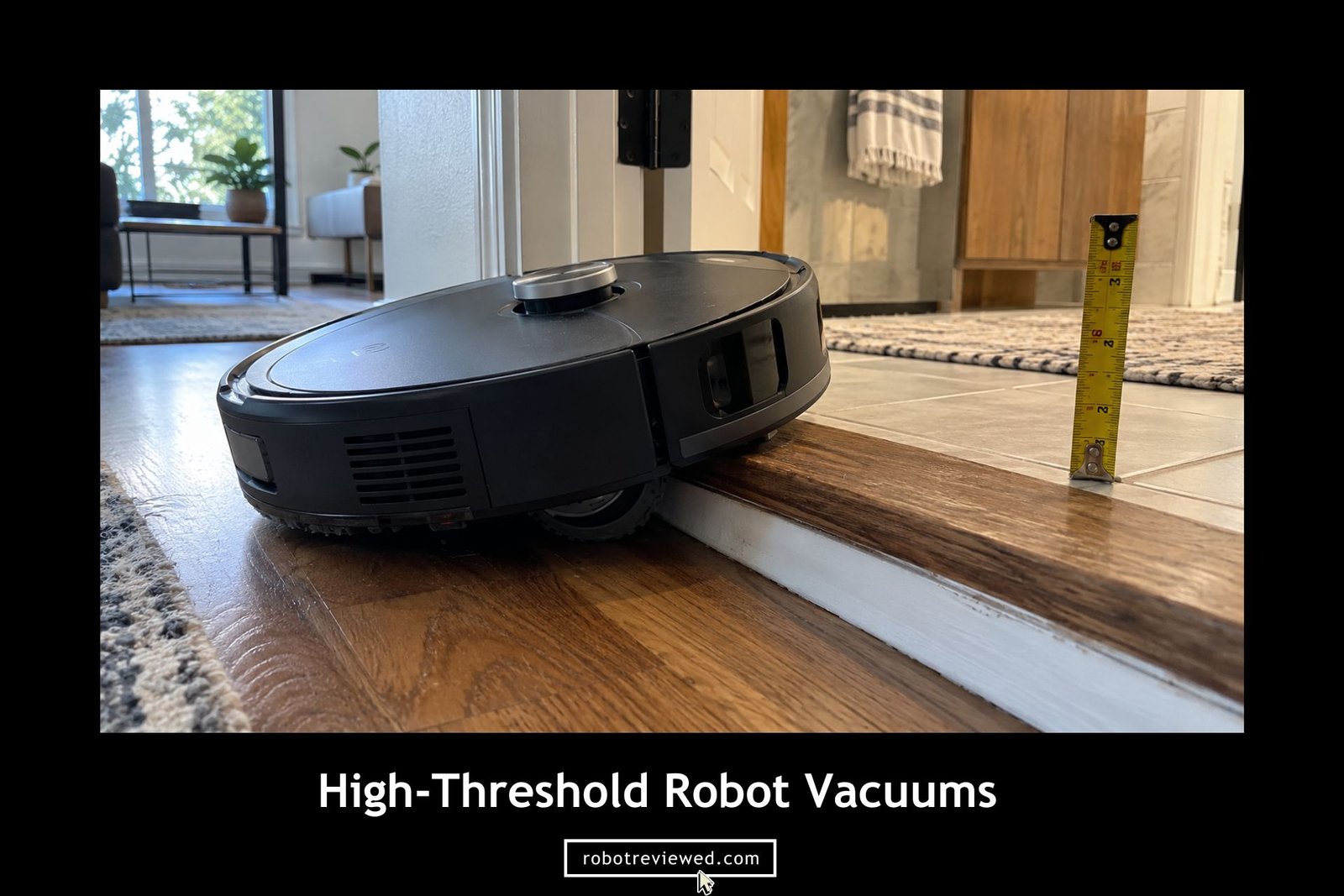
It has a feature called ProLeap, which uses little fold-out legs to lift itself up and climb over tall thresholds. In tests, the X50 cleared a single step of 36 mm, while the Saros 10R cleared 26 mm. Well, that extra 10 mm difference matters more than you think. In older homes, rooms with sliding door tracks, or thick transition strips, normal robot vacuums often get stuck.
Winner: Buy the Saros 10R if you have very low furniture. Buy the X50 Ultra if you have high door steps between rooms.
Dreame X50 Ultra vs Roborock Saros 10R: Final Verdict
- Buy the Dreame X50 Ultra if you have pets, carpets, high door thresholds, mixed floor types, or want the best all-around performance.
- Buy the Roborock Saros 10R if your floor usually has clutter lying around, your furniture sits very low, or avoiding obstacles is your top concern.
- Buy whichever is on sale for less if none of those specific home needs matter much to you and you need something for basic cleaning and mopping.